
Plants
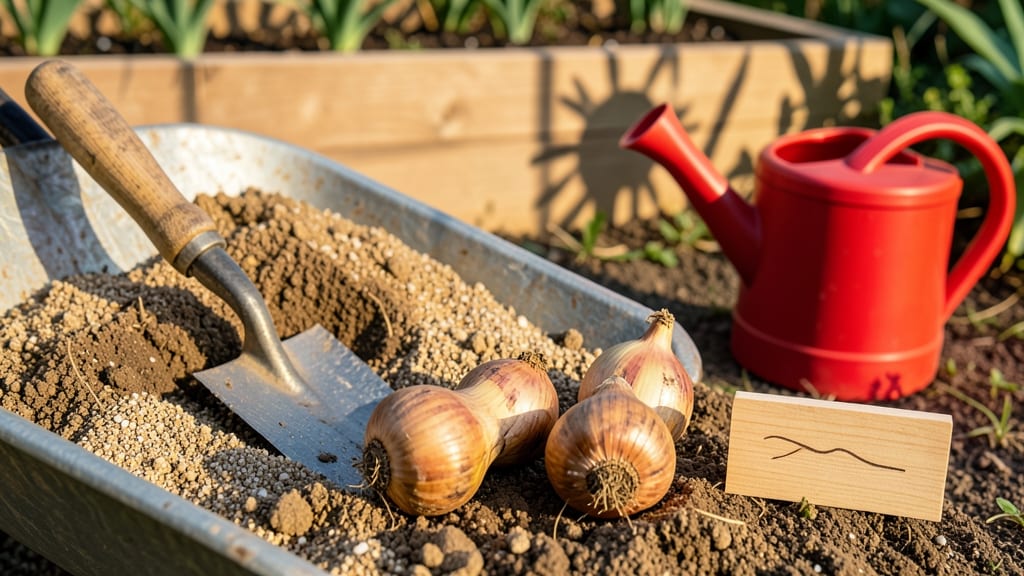
Timing your gladiolus bulb planting in Oregon is the game-changer between showstopping summer blooms and a garden that fizzles out before it even begins.
The Pacific Northwest's unpredictable weather—from late spring frosts in the Willamette Valley to scorching inland summers—means getting those bulbs in the ground at just the right moment is everything.
Most gardeners know gladiolus thrive in full sun and warm soil, but Oregon’s diverse microclimates throw a wrench into the plan. Coastal areas like Portland can plant earlier, while high-desert regions like Bend need to wait until the soil warms to 60°F or higher.
The key? Understanding your USDA zone and last frost dates to avoid both chilly surprises and summer heat stress.
What you’re about to discover isn’t just about calendar dates—it’s about reading your local climate like a pro. I’ll break down the exact windows for spring planting (the safest bet for most of Oregon) and whether fall planting is even worth considering in your area.
Plus, I’ll share my top tips for keeping those tall, dramatic spikes thriving once they’re in the ground.
Whether you’re a first-time gardener or a seasoned pro, these insights will help you time your gladiolus planting like a local—so you can enjoy months of vibrant blooms instead of wilting disappointment. Let’s get those bulbs in the dirt the right way.
Oregon planting zones & frost-free dates for gladiolus bulbs
Oregon’s diverse climate—from the cool coastal regions to the hot inland valleys—means your gladiolus bulb planting timeline depends heavily on USDA zones and microclimates.
In Western Oregon (Zones 7-9), like the Willamette Valley, you’ll want to plant after the last frost date, typically mid-April to early May. Meanwhile, Eastern Oregon (Zones 6-7), including the Columbia Gorge, can start planting 2-3 weeks earlier due to warmer springs.
Gladiolus bulbs thrive in warm soil temperatures (at least 60°F), so waiting for consistent daytime temps above 55°F is key.
Coastal areas like Astoria or Newport may need to wait until late May to avoid late spring frosts, while Bend or La Grande can plant as early as March in sheltered spots.
Fall planting is not recommended in Oregon due to wet winters and bulb rot risks. Instead, focus on spring planting for vibrant summer blooms. For extended-season gardens, consider staggered plantings every 2-3 weeks to enjoy flowers from July through September.
Here’s a quick reference for Oregon’s frost-free windows by region:
| Region | USDA Zone | Last Frost Date | Ideal Planting Window | Notes |
|---|---|---|---|---|
| Western Oregon (Portland, Eugene) | 7-9 | Mid-April to early May | Late April to early June | Cool summers; choose heat-tolerant varieties |
| Coastal Oregon (Astoria, Newport) | 8-9 | Late May | Late May to early June | Longer growing season; watch for late frosts |
| Eastern Oregon (Bend, La Grande) | 6-7 | Early April | March to early May | Hot summers; plant early for full blooms |
| Columbia Gorge (Hood River) | 6-7 | Mid-April | Late April to early June | Microclimates vary; protect from wind |
For heat-sensitive varieties, prioritize morning sun exposure and afternoon shade in Western Oregon. In Eastern Oregon, where summers can exceed 90°F, opt for late-blooming varieties to avoid heat stress during peak flowering. Always plant bulbs 3-4 inches deep and 4-6 inches apart for optimal air circulation.
If you’re in a transition zone (e.g., USDA Zone 7b), like Salem or Corvallis, err on the side of planting later (early May) to account for unpredictable spring weather. Monitor local weather forecasts and use frost cloth if nights dip below 40°F after planting.
Pro tip: Pre-warm your soil in cooler zones by covering beds with black plastic mulch 2 weeks before planting. This speeds up root establishment and ensures stronger stems for those towering 6-foot blooms.
Remember, gladiolus bulbs are not winter-hardy in Oregon. After the first frost (typically October-November), dig up bulbs, trim foliage, and store them in a cool, dry place until next spring. This prevents rot and disease in Oregon’s wet winters.
By aligning your planting with local frost dates and soil warmth, you’ll set your gladiolus up for show-stopping summer color—whether you’re in Portland’s urban gardens or
Best gladiolus varieties for Oregon’s climate & their planting timing
Oregon’s diverse climate—from the cool coastal fog of the Willamette Valley to the hot inland summers of Eastern Oregon—means not all gladiolus varieties thrive equally. Choosing the right variety and timing ensures your bulbs bloom reliably from June through September.
Early bloomers like 'Green Star' (pale green flowers) are perfect for Zone 7-8 gardeners, while late-season varieties like 'Black Star' (deep purple) handle Eastern Oregon’s heat better.
For Western Oregon’s cooler zones (6-7), opt for cold-hardy varieties like 'Picasso' (bi-color pink/white) or 'White Prosperity.' These bloom earlier and tolerate late spring frosts better.
In Eastern Oregon’s Zone 8-9, heat-tolerant types like 'Red Beauty' or 'Dracula' (dark red) shine, as they won’t bolt in 90°F+ temperatures. Stagger planting dates by 2-3 weeks to extend your bloom season from mid-July to October.
🌱
| Variety | Bloom Period | Best Oregon Zone | Planting Window | Height (ft) |
|---|---|---|---|---|
| Green Star | June–July | 6–8 | April 15–May 1 | 4–5 |
| Black Star | August–September | 7–9 | May 15–June 1 | 5–6 |
| Picasso | July–August | 6–7 | April 1–April 15 | 3–4 |
| Red Beauty | July–September | 8–9 | May 1–May 15 | 5–6 |
| Dracula | August–October | 7–9 | May 15–June 1 | 4–5 |
Planting early varieties in late April (Western Oregon) or mid-May (Eastern Oregon) ensures they bloom before summer heat stress sets in. For late-season bloomers, wait until mid-May to June 1—this aligns with soil warming to 60°F+, which gladiolus bulbs crave.
Pro tip: Color-code your planting schedule by bloom time (e.g., pink stickers for June blooms, purple for August) to avoid confusion when staggering.
If you’re in Zone 7 or cooler, prioritize dwarf varieties like 'White Prosperity' (3–4 ft tall) to avoid wind damage from coastal storms. In Zone 8-9, taller varieties like 'Black Star' (5–6 ft) make dramatic cut flowers but need staking in windy areas.
Always plant bulbs 6 inches deep and 12 inches apart to prevent overcrowding, which leads to smaller blooms.
For container growing in Oregon’s urban areas, choose compact varieties like 'Picasso' and plant in 10-inch pots with well-draining mix. Move containers to full sun by mid-April to jumpstart growth.
Just remember: Gladiolus bulbs hate soggy soil, so elevate containers or add perlite to prevent rot in Oregon’s wet winters.
🌿