
Plants
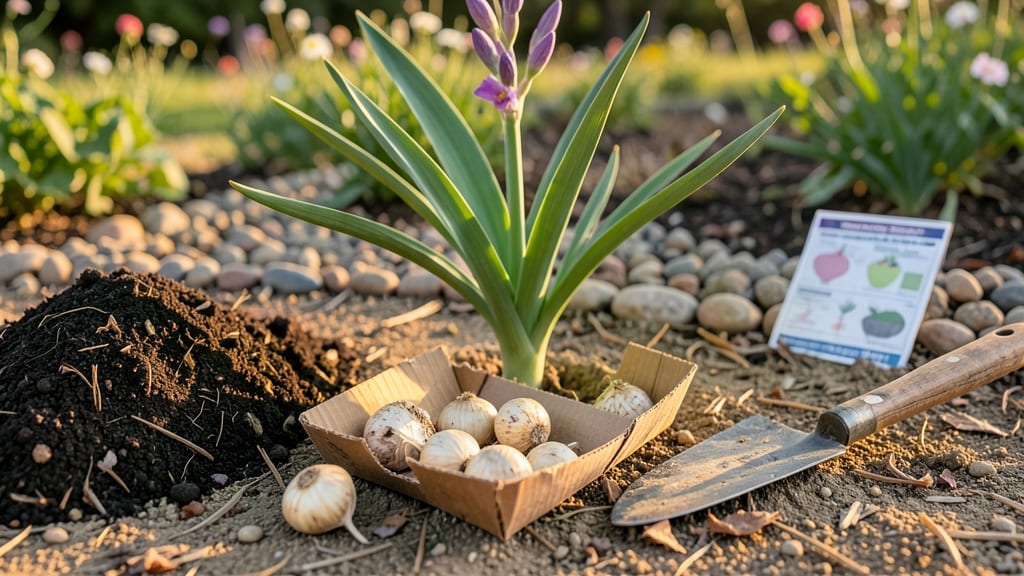
Timing your gladiolus planting in Colorado can mean the difference between a showstopping summer garden and a sad, frost-nipped disappointment. With Colorado’s USDA Zones 5-7 and dramatic elevation shifts, getting it right requires more than just a calendar check—it’s about reading your local microclimate like a pro.
Most gardeners in the Front Range and foothills wait until April 15–May 15 after the last frost, but those in higher elevations near Steamboat Springs might need to push planting to early June.
The key? Planting 🌸 gladiolus corms when soil temperatures hit 55°F ensures roots establish before summer’s heat kicks in.
Why does this matter? Because gladiolus hate soggy soil and late frosts—both common in Colorado’s unpredictable spring. I’ll walk you through the exact elevation-based planting windows, soil prep tricks, and how to stretch your blooming season from August to September without risking winter dieback.
Skip the guesswork and learn how to turn your Colorado garden into a gladiolus paradise—with zero frost-related casualties. Let’s get those corms in the ground the right way.
Colorado’s gladiolus planting zones by elevation: exact timing for each region
Colorado’s three distinct elevation zones create wildly different planting windows for gladiolus. The Lowlands (under 5,000ft)—like Denver’s metro area—can start as early as mid-April, while the High Country (above 8,000ft) near Aspen or Leadville often waits until late May.
These differences stem from soil temperature thresholds (gladiolus corms need 55°F soil) and last-frost averages that shift by 10–14 days per 1,000ft elevation gain.
The Mid-Elevation zone (5,000–8,000ft), covering cities like Colorado Springs and Fort Collins, offers a 3-week planting window from April 22 to May 12. This is Colorado’s sweet spot for gladiolus, where 165 frost-free days align perfectly with the plant’s 90–110 day bloom cycle.
For gardeners here, timing is critical—plant too early, and a late April frost (common in the Rockies) will kill tender shoots.
Here’s how to match your elevation to the perfect planting window, using data from the Colorado State Climatology Office:
| Elevation Zone | Last Frost Date | Optimal Planting Window | Soil Temp Threshold | Example Locations |
|---|---|---|---|---|
| Lowlands (<5,000ft) | April 15 | April 15–May 5 | 55°F (13°C) | Denver, Colorado Springs (lower valleys) |
| Mid-Elevation (5,000–8,000ft) | April 22–May 1 | April 22–May 12 | 55°F (13°C) | Fort Collins, Manitou Springs, Golden |
| High Country (>8,000ft) | May 1–May 15 | May 1–May 25 | 55°F (13°C) | Aspen, Leadville, Steamboat Springs |
🌡️ Pro Tip: Use a soil thermometer to confirm 55°F before planting—cold soil delays sprouting by 2–3 weeks.
For Lowland gardeners in Denver or Pueblo, the April 15–May 5 window is ideal, but watch for urban heat islands that can push soil temps up earlier. In these areas, late April is often safe, but row covers are wise until May 1.
Meanwhile, High Country gardeners should wait until after May 15—planting earlier risks snowmelt delays or late frosts that can rot corms.
Microclimates add another layer of complexity. South-facing slopes warm up 1–2 weeks earlier than north-facing gardens, while windy mountain passes (like Vail Pass) may need extended row covers to protect young shoots.
Even in the same city, your neighborhood’s elevation can shift planting by 10 days—for example, Colorado Springs’ downtown (6,000ft) plants 1 week earlier than Manitou Springs (7,500ft) just 10 miles away.
Colorado’s first-frost dates also vary wildly: October 1 in the San Luis Valley (Lowlands) vs. November 1 in the San Juan Mountains (High Country). This means High Country gladiolus have 165–180 frost-free days to bloom, while Lowland varieties must finish by September 15.
Choosing early-blooming cultivars (like ‘Picasso’) is key for high-altitude gardens.
To extend your planting window, try these Colorado-proven strategies:
- 🌱 Pre-warm soil in Lowlands by covering beds with black plastic in March.
- ❄️ Use row covers to protect shoots until May 15 in Mid-Elevation zones.
- 🏔️ Plant near south-facing walls in High Country to capture extra heat.
Timing isn’t just about when you plant—it’s about matching varieties to your zone. In Lowlands, late-blooming ‘Black Star’ thrives with longer summers, while High Country gardens rely on early ‘Green Star’ to avoid frost.
Next, we’ll dive into pro tips to fine-tune your timing for zero-frost blooms, no matter
How to time gladiolus planting for zero-frost blooms: pro tips for Colorado gardeners
Colorado’s unpredictable spring frosts can turn your gladiolus dreams into a frosty disappointment if you’re not strategic. The secret to zero-frost blooms lies in a mix of planting timing, soil prep, and smart variety choices.
I’ve gardened in Denver’s Front Range for years, and these tips will help you extend your blooming season from August to September—without losing a single corm to late frosts.
First, soil temperature is your best friend. Gladiolus corms won’t sprout until the soil hits 55°F. Use a soil thermometer to check—especially in high-elevation gardens where cold lingers longer.
If your soil is still chilly, pre-warm it by covering beds with black plastic mulch for 2–3 weeks before planting. This trick shaves 10–14 days off your waiting game.
🌱 Row covers are my go-to for late-spring plantings in Colorado’s Zone 5–6 areas. Lay them over newly planted corms if a frost warning pops up. These lightweight fabrics trap heat and protect emerging shoots until they’re 3–4 inches tall. Just remove them during the day once temperatures rise above 60°F to avoid overheating.
Start with ‘Green Star’ or ‘Picasso’ (bloom in 90–100 days) to beat Colorado’s short growing season. These varieties thrive in cooler soils and often flower before late-summer heat sets in.
Urban heat islands (like Denver’s downtown) can be 5–10°F warmer than rural areas. Plant 2 weeks earlier in these zones. Conversely, windy mountain slopes (e.g., Estes Park) may need delayed planting to avoid frost scorch.
Pair gladiolus with marigolds or garlic to deter thrips and aphids, which love Colorado’s dry air. These companions also improve soil drainage, reducing the risk of rot in soggy spring soil.
Plant 1/3 of your corms in late April, another 1/3 in early May, and the final batch in mid-May. This extends your bloom time from August to October, ensuring continuous color.
Corms planted after June 15 won’t have enough time to establish roots before Colorado’s first frost (October 15). This often leads to winter dieback—a heartbreak I’ve seen too many times.
For high-altitude gardens above 8,000 feet, like those near Aspen or Leadville, focus on early-blooming varieties like ‘White Friendship’ or ‘Attila’. These alpine-adapted gladiolus tolerate cooler soils and shorter seasons.
Plant them as soon as soil is workable (usually late May to early June) and expect shorter stems (3–4 ft) but equally stunning blooms.
Finally, don’t dig up your corms until after the first hard frost in fall. In Colorado, this is typically October 15 in lowlands but can stretch to November 1 in high country.
Let the foliage yellow naturally—this ensures the corm stores enough energy for next year’s blooms. With these tips, your gladiolus will thrive year after year without a single frost-related setback.