
Plants
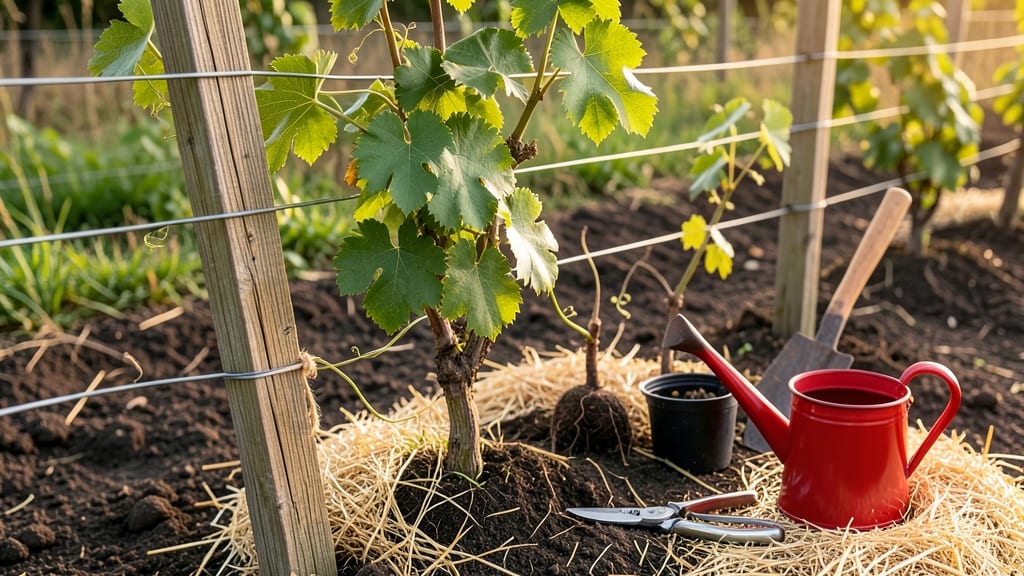
Timing your 🍇 grape vine planting in Illinois can make or break your harvest—get it wrong, and you risk frost damage or stunted growth before those sweet clusters even form.
With Illinois’ USDA Zones 5-6 climate, you’ve got two prime windows to plant: early spring after the last frost (around April 15) or fall before the first chill (September-October). But which one works best for your variety?
I’ll break down the exact timing, soil prep secrets, and even which grape types thrive in Illinois’ unpredictable weather—so you can plant with confidence and enjoy a bountiful harvest from August to September.
Whether you’re a first-time gardener or a seasoned grower, these insights will help you avoid common mistakes and set your grape vines up for success from day one.
Best planting windows for Illinois grape vines (Zone 5-6 specific)
In Illinois’ USDA Zones 5-6, planting grape vines at the right time means the difference between a thriving vineyard and a failed harvest. The ideal planting windows are early spring (April–May) or fall (September–October), aligning with soil temperatures and frost risk.
Spring planting gives vines 6–8 weeks to establish roots before summer heat, while fall planting allows roots to grow in cool soil before dormancy.
For bare-root vines, the best time is late winter to early spring (March–April), when the ground is workable but frost isn’t imminent. Container-grown vines, however, can be planted throughout the growing season, as long as they’re well-watered and protected from extreme heat or cold.
Illinois’ last frost date typically falls around April 15, so aim to plant 4–6 weeks before this date for spring success.
| Planting Window | Soil Temp | Frost Risk | Best For |
|---|---|---|---|
| April–May | 50–60°F | Low (post-last frost) | Bare-root vines, strong root growth |
| September–October | 55–65°F | Moderate (pre-first frost) | Container vines, established roots |
| March (bare-root) | 40–50°F | High (late frost risk) | Cold-hardy varieties only |
Fall planting offers cooler soil temperatures and reduced stress on young vines, but Illinois’ first frost often arrives by mid-October.
For fall success, plant 6–8 weeks before frost to allow roots to establish. Wine grapes like Cabernet Franc benefit from fall planting, as they need time to harden off before winter. Meanwhile, table grapes like Concord thrive with spring planting for earlier fruit production.
Northern Illinois (Zone 5) has a shorter growing season, so prioritize early spring planting (March–April) for cold-hardy varieties.
Southern Illinois (Zone 6) can extend planting into late April or early May, but avoid planting after June 1—vines need 6–8 weeks to establish roots before winter dormancy.
Always check the Illinois Extension’s frost maps for your specific county, as microclimates can shift planting windows by 1–2 weeks.
If you’re planting container-grown vines, extend your window to June or even early July, but be prepared to water deeply and mulch heavily to protect roots. Containers also allow you to move vines to sheltered spots during late-season heatwaves.
For bare-root vines, never plant after May 15—they won’t have enough time to establish before winter.
One critical mistake Illinois gardeners make? Planting too early in March when soil is still cold and frosty. Root growth stalls below 50°F, and young vines can rot in soggy soil.
Instead, wait until soil temperatures consistently reach 50°F+ (use a soil thermometer to check). For fall planting, aim for 55–65°F soil temps to encourage root development before dormancy.
Pro tip: If you miss the ideal windows, container planting is your backup. Pots with drainage holes and well-draining soil let you plant as late as June, though harvests may be smaller.
Just remember—grapes need full sun, so choose a south-facing location with 6+ hours of sunlight daily, even in containers.
For wine grapes, timing matters even more—planting too late can delay fruit ripening, leaving grapes underripe or susceptible to frost in fall. Varieties like Frontenac and Marquette are more forgiving, but Cabernet Franc needs a longer growing season.
Always select disease-resistant varieties for Illinois’ humid climate, and plant 1–2 weeks earlier than recommended if your area has a history of early frosts.
Finally, don’t overlook mulching—a 4-inch layer of straw or wood chips keeps soil temps stable and retains moisture. In spring, mulch helps warm soil faster; in fall, it insulates roots from temperature swings.
Pair this with a drip irrigation system to maintain consistent moisture, and your grape vines will thrive regardless of Illinois’ unpredictable weather.
Best planting windows for Illinois grape vines (Zone 5-6 specific)
Illinois’ USDA Zones 5-6 give you two perfect windows to plant grape vines: early spring (after the last frost) and fall (before winter dormancy). Spring planting (April–May) lets vines establish roots before summer heat, while fall planting (September–October) avoids summer stress and gives roots time to settle before winter.
For spring planting, aim for 4–6 weeks before your area’s last frost date—typically around April 15 in Illinois. This timing ensures roots grow strong before the growing season peaks. Fall planting, meanwhile, should wrap up by mid-October to allow roots to harden before winter chill sets in.
🌱
| Planting Window | Key Considerations | Best For |
|---|---|---|
| Early Spring (April–May) | Soil temps above 50°F, last frost passed, 6–8 hours of sun | Table grapes, wine grapes, and native varieties |
| Fall (September–October) | Soil temps above 40°F, 4–6 weeks before first frost | Established root systems, reduced summer stress |
| Late Winter (March) | Dormant planting, soil work only (no transplanting) | Soil prep for spring planting |
If you’re planting wine grapes like Cabernet Franc, opt for spring planting—these varieties need a long growing season to ripen fully. For table grapes like Concord, fall planting can work well, as they’re more cold-hardy and mature faster.
Always check your local Illinois Extension office for microclimate adjustments—some areas may experience frost later or earlier than the average dates. Container-grown vines also give you flexibility to move them indoors if frost threatens unexpectedly.
🌿