
Plants
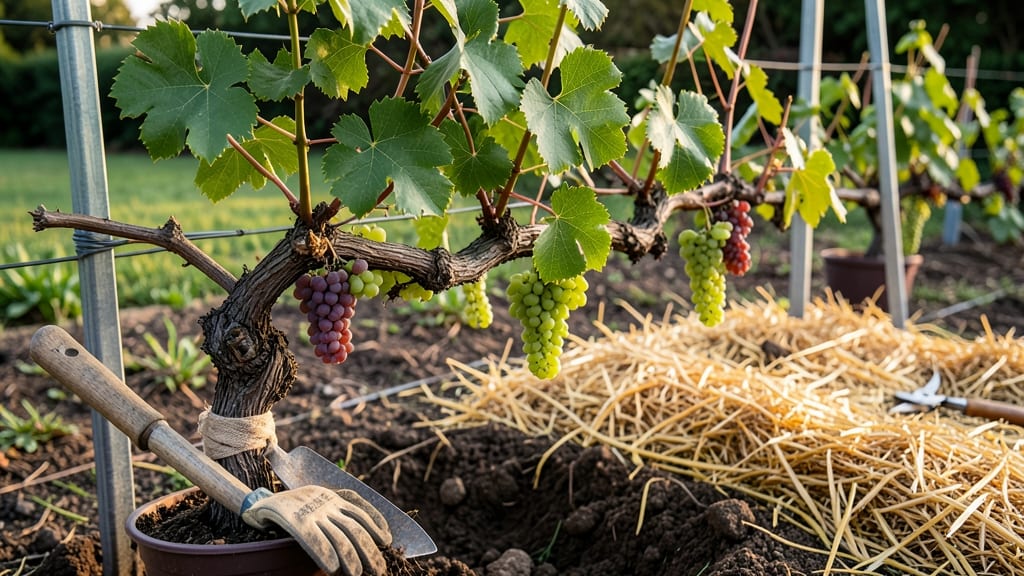
Timing your 🍇 grape planting in Missouri isn’t just about the calendar—it’s about outsmarting frost, heat waves, and the state’s famously variable USDA Zones 5b-6a. Plant too early, and a late frost could wipe out your tender shoots before they even take root.
Too late, and your vines won’t establish strong roots before winter sets in, leaving them vulnerable to cold damage.
Most Missouri gardeners swear by late winter to early spring (February through April) as the sweet spot, when soil temperatures finally warm enough to encourage root growth without risking frost.
But here’s the catch: your exact window depends on whether you’re in the cooler Ozarks or the warmer St. Louis metro area—and whether you’re planting in-ground or in containers.
I’ve grown grapes in Missouri for years, and I’ll show you exactly how to time your planting for maximum success. We’ll cover the best varieties for your zone, soil prep secrets, and even how to cheat the system with row covers if Mother Nature throws a curveball.
Ready to grow grapes that thrive year after year?
The key isn’t just when you plant—it’s how you prepare your vines for Missouri’s extremes. Let’s get your grapevine off to the right start so you can enjoy homegrown fruit by next harvest season.
Optimal planting months for grapes in Missouri’s USDA Zones 5-6
Missouri’s USDA Zones 5b-6a offer a narrow window for planting grapes, where timing directly impacts vine survival and fruit production.
The ideal planting window spans from late February through early April, aligning with soil temperatures above 40°F (4°C) and before the last frost date—typically around April 15 in most regions.
Spring planting gives grapevines 4-6 weeks of warm soil to establish roots before summer’s heat. Fall planting is riskier in Missouri due to unpredictable early frosts, but some gardeners plant in September-October if soil remains workable and vines can root before dormancy.
For container-grown grapes, you can extend this window slightly, but soil prep remains critical.
Missouri’s microclimates further complicate timing. St. Louis and Kansas City (Zone 6a) can plant 1-2 weeks earlier than the Ozarks (Zone 5b), where colder nights delay soil warming. Always check your local frost-free date using the Missouri State Climatologist’s tools or plant when soil temps hit 50°F (10°C) consistently.
🌱
| Planting Window | Soil Temperature | Missouri Regions | Key Consideration |
|---|---|---|---|
| Late February - Early March | 40-45°F (4-7°C) | St. Louis, Kansas City | Soil thaws earliest; risk of late frost |
| Mid-March - Early April | 50-55°F (10-13°C) | Ozarks, Northwest MO | Safer for root establishment |
| September - October (Fall) | 50°F+ (10°C+) | All regions (high risk) | Vines must root before first frost |
| May (Container Only) | 60°F+ (15°C+) | All regions | Slower establishment; needs winter protection |
For bare-root vines, the best time is March-April when roots can spread without competing with summer heat. Container-grown grapes offer flexibility but require larger pots (15+ gallons) and winter protection if planted after May. Always choose disease-resistant varieties like Concord or Niagara, which thrive in Missouri’s humidity.
Missouri’s 165 frost-free days limit grape varieties to those with 120-150 day growing seasons. Early-maturing types like Catawba or Champagne grapes avoid late-season frosts better than vinifera varieties, which need longer summers. Plant in well-draining soil with a southern exposure to maximize warmth and sunlight.
If you miss the spring window, fall planting is possible but risky. Vines planted in September-October must establish roots before October 15, Missouri’s average first frost. Use mulch (4-6 inches) to insulate roots and avoid fertilizing, which encourages late growth.
Container grapes planted in fall can overwinter indoors if temps drop below 20°F (-7°C).
🌿
Local nurseries like Missouri Botanical Garden’s plant sales or University of Missouri Extension offer regionally adapted varieties. Ask for Vitis labrusca hybrids, which handle Missouri’s humidity and pests better than European Vitis vinifera.
Always inspect vines for aphids or powdery mildew before purchasing, as these can weaken young plants.
After planting, water deeply once a week for the first month to encourage root growth. Avoid overhead watering to prevent fungal diseases like black rot, common in Missouri’s wet springs. A drip irrigation system placed at the vine’s base is ideal for consistent moisture without wetting foliage.
💧
Step-by-step Missouri grape planting guide: from nursery to soil
Now that you’ve nailed the planting window, let’s dive into the hands-on process of getting your grape vines established in Missouri’s soil. Whether you’re planting in-ground or in containers, these steps will ensure your vines take root before winter’s first frost hits around mid-October.
First, choose your grape variety—Missouri’s climate favors cold-hardy types like Concord (blue) or Niagara (white) for USDA Zones 5-6. These varieties handle Missouri’s temperature swings better than delicate Vitis vinifera types like Cabernet Sauvignon, which need extra winter protection.
Before planting, test your soil’s pH level—grapes thrive in slightly acidic soil (pH 6.0-6.5). If your soil is too alkaline, amend it with sulfur or peat moss. Missouri’s clay-heavy soils often need organic matter like compost or well-rotted manure to improve drainage.
- Dig a hole twice as wide as the vine’s root ball but only as deep.
- Loosen the soil 12-18 inches deep to encourage root spread.
- Mix in compost or aged manure for nutrients.
- Soak bare-root vines overnight before planting to rehydrate roots.
- Place the vine in the hole so the graft union (bulge near base) sits 2-3 inches above soil level.
- Spread roots evenly and backfill with soil, tamping gently.
- Water deeply to settle soil and remove air pockets.
- Apply 3-4 inches of mulch (straw or wood chips) to retain moisture and suppress weeds.
- Avoid mulching against the trunk to prevent rot.
- Drive posts 6-8 feet tall and attach horizontal wires for vines to climb.
- Train the main stem to the top wire and prune side shoots to encourage upward growth.
- Use soft ties to avoid damaging the bark.
- Water weekly for the first month to establish roots.
- Fertilize lightly with 10-10-10 in early spring and after harvest.
- Monitor for Japanese beetles and powdery mildew—common in Missouri’s humidity.
For container planting, use 5-gallon pots with drainage holes and a mix of potting soil, perlite, and compost. Place pots in a south-facing location and move them indoors or to a garage during hard freezes (below 20°F).
Remember, the first year is all about root establishment. Your grapevine might look small, but with proper care, it’ll reward you with juicy fruit in 2-3 years. Missouri’s summers are perfect for grape growing—just give your vines the right start!