
Plants
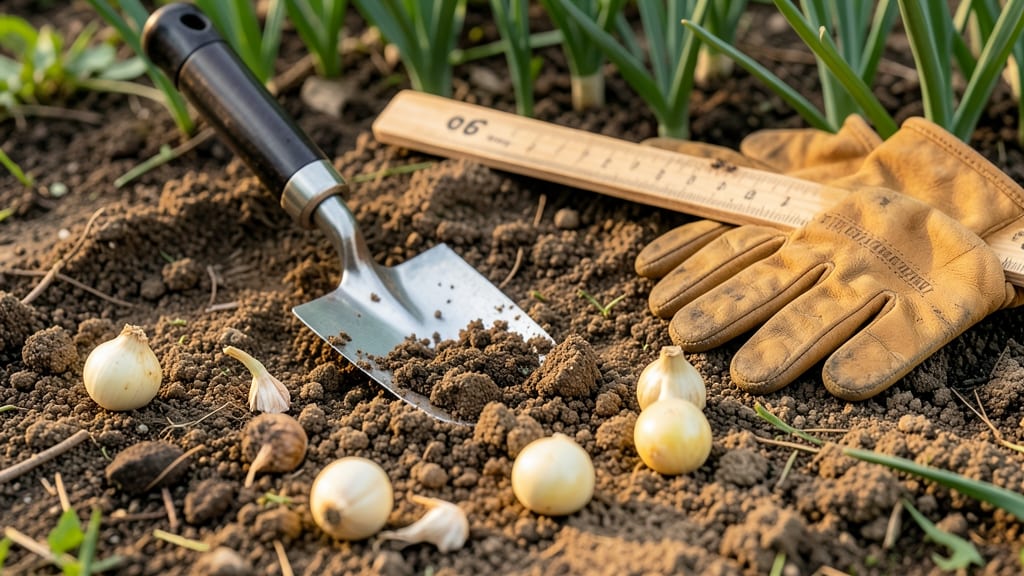
Planting daffodil bulbs in the fall isn’t just about timing—it’s about giving them a six-week head start before winter’s frost locks the soil. If you miss this window, you might end up with weak blooms or no growth at all next spring.
The key is understanding when to plant based on your local climate, especially in USDA Zone 6a, where the first frost hits around November 15.
For most gardeners, the ideal time falls between October and early November, but the exact date depends on your region. In cooler zones, you might plant as early as September, while warmer areas can wait until late November.
The goal is to let the bulbs establish strong roots before the ground freezes—this ensures vibrant 🌼 blooms in April or May.
Don’t worry if you’re new to gardening—this guide breaks down everything you need to know. We’ll cover soil prep, planting depth, and spacing, plus tips to protect your bulbs over winter.
Whether you’re a beginner or a seasoned gardener, these steps will help you grow daffodils that come back year after year.
Ready to transform your garden? Let’s dive into the best practices for planting daffodil bulbs this fall, so you can enjoy a burst of color next spring. The secret to success starts now—with the right timing and care.
The perfect 6-Week fall planting window for daffodil bulbs
Timing is everything when planting daffodil bulbs in the fall. Aim for a 6-week window before the first frost, giving roots time to establish before winter dormancy. This means if your first frost arrives on November 15, plant between late September and mid-October.
Daffodils thrive when soil temperatures drop to 60°F (15°C), signaling them to focus on root growth instead of foliage.
Why this window? Daffodil bulbs need 4-6 weeks of root development before the ground freezes solid. Plant too early, and they may sprout prematurely, only to be killed by frost. Plant too late, and their roots won’t anchor deeply enough, leading to weak stems and fewer blooms next spring.
Think of it as a race against winter—give your bulbs a head start, and they’ll reward you with vibrant spring blooms.
Here’s the science: When soil temps hit 50-60°F (10-15°C), daffodil bulbs activate and begin growing roots. This happens naturally in fall as days shorten and nights cool.
If you live in a warmer climate (Zones 8-10), plant in November or even December, but avoid planting when soil temps are above 70°F (21°C), which can trigger premature sprouting.
Pro tip: Check your local USDA hardiness zone for precise timing. For example, gardeners in Zone 5 should plant by mid-October, while those in Zone 7 have until early November. Use a soil thermometer to confirm temps—60°F (15°C) is your sweet spot for root growth.
🌱 Daffodil Fall Planting Timeline
| Stage | Action | Soil Temp |
|---|---|---|
| 4-6 Weeks Before Frost | Plant bulbs 6-8" deep | 60-70°F (15-21°C) |
| Root Establishment | Roots grow 1-2" per week | 50-60°F (10-15°C) |
| Winter Dormancy | Bulbs rest; soil freezes | Below 32°F (0°C) |
| Spring Sprouting | Foliage emerges; blooms form | 40-50°F (4-10°C) |
Don’t let early frost warnings rush your planting. If frost threatens before your bulbs are in the ground, cover them with straw or mulch to protect tender roots. Conversely, if your fall is unusually warm, delay planting until soil temps drop closer to 60°F (15°C).
The goal is to align planting with nature’s clock—not the calendar.
Another key factor is bulb quality. Choose firm, plump bulbs with no soft spots or mold. Smaller bulbs (like dwarf varieties) may need slightly less time to establish, while larger standard daffodils benefit from the full 6-week window.
Store bulbs in a cool, dark place (like a garage) until planting day to prevent premature sprouting.
For container gardening, the same rules apply, but use a well-draining potting mix and plant bulbs in late fall (November in most zones). Place containers where they’ll stay frozen solid in winter—this mimics natural dormancy. In spring, move them to a sunny spot for blooming.
Remember: The earlier you plant, the longer the roots grow before winter. This translates to stronger stems and more robust blooms next spring. Mark your calendar now—your future daffodil display depends on it!
🌼
The perfect 6-Week fall planting window for daffodil bulbs
Timing is everything when planting daffodil bulbs in the fall. Aim for a 4-6 week window before your region’s first frost—this gives roots time to establish before winter dormancy. In USDA Zone 6a, that means planting between mid-October and early November.
The magic happens when soil temperatures drop to 60°F (15°C), triggering root growth while bulbs remain dormant.
This window ensures bulbs develop strong roots before the ground freezes, leading to vibrant spring blooms. If you plant too early, bulbs may sprout prematurely and get damaged by cold. Planting too late?
Roots won’t have time to anchor before winter, resulting in weak or no flowers next year. The key is balancing soil warmth and frost timing—a delicate gardening dance.
| Planting Stage | Key Action | USDA Zone 6a Timing |
|---|---|---|
| Soil Prep | Loosen soil, add compost | September-October |
| Planting Depth | 6-8 inches deep | Mid-October |
| Root Establishment | 6 weeks before frost | October-November |
| Winter Protection | Mulch after ground freezes | Late November |
Soil temperature is your best friend here. Use a soil thermometer to check when temps consistently hit 60°F (15°C) during the day. In cooler climates, this might happen as early as late September, while warmer zones could wait until mid-November.
Watch for first frost dates in your area—planting 6 weeks before ensures roots have time to grow without sprouting too soon.
Pro tip: If your fall is unusually warm, delay planting until soil temps naturally drop. The goal is to avoid premature sprouting, which can damage tender shoots in early cold snaps.
A little patience now means stronger blooms later. For most gardeners, October is the sweet spot in Zone 6a.
Remember, daffodil bulbs are hardy and can handle winter, but root development is what determines next year’s flower quality. By planting within this 6-week window, you’re setting the stage for showstopping spring displays.
The effort now pays off in bright yellow and white blooms that brighten up early spring gardens.
Once planted, mulch lightly with straw or leaves after the ground freezes to protect bulbs. This simple step can make all the difference in cold climates. With the right timing and care, your daffodils will reward you with years of low-maintenance beauty—just like nature intended. 🌼