
Plants
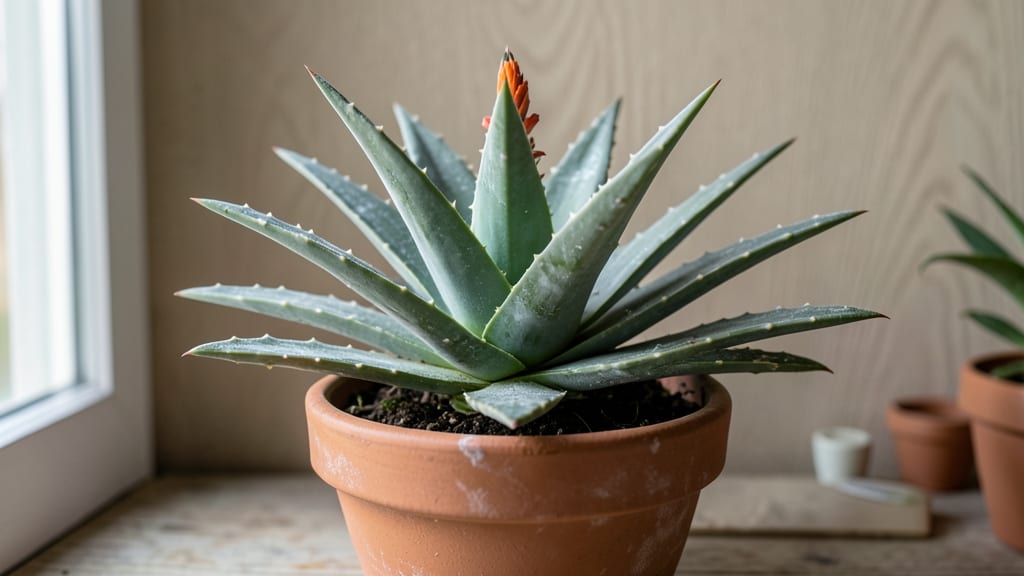
If you’re wondering how much light does an aloe plant need, the answer might surprise you—especially if your plant looks stretched out or pale. That’s usually a sign it’s not getting the right amount of light, a mistake even experienced plant parents make.
The good news? Aloe thrives with bright, indirect sunlight, but too much direct sun can scorch those plump leaves, while too little leaves it weak and leggy.
You might think aloe needs full sun all day, but the truth is more nuanced. These hardy plants actually prefer 6–8 hours of bright, filtered light, whether from a south-facing window or a well-lit indoor space.
The key is finding that sweet spot where your aloe gets enough light to stay vibrant without turning crispy at the edges.
In this guide, I’ll break down exactly how much light your aloe needs—whether you’re growing it indoors, outdoors, or even under artificial grow lights. You’ll learn how to spot signs of over- or under-lighting and adjust your setup for lush, healthy growth all year round.
Ready to give your aloe the perfect light conditions? Let’s dive into the secrets of keeping your aloe plant 🌵 thriving with the right balance of brightness and care. Your plant’s future depends on it!
 Best Window Placement
Optimal sunlight requirements for aloe vera: bright indirect light explained
Aloe vera thrives under bright indirect sunlight, but it’s not a one-size-fits-all scenario. This succulent craves 6–8 hours of sunlight daily, but direct midday rays can scorch its leaves.
The key is finding that sweet spot where your aloe gets plenty of light without turning into a crispy critter. Think of it like a sunbathing session—just enough to glow, not enough to burn.
Outdoors, aloe plants love partial shade with morning sun exposure. If you’re growing them in pots, place them where they’ll get filtered sunlight through sheer curtains or dappled shade from trees.
This mimics their natural habitat in arid regions where intense midday sun is tempered by clouds or other plants. Even a south-facing window with a sheer curtain can work wonders indoors.
Here’s the golden rule: avoid deep shade or dim corners of your home. Aloe plants will stretch toward any light source, creating those unsightly, leggy stems. This condition, called etiolation, happens when your plant isn’t getting enough light to photosynthesize properly.
The result? Weak, pale leaves that flop over like overcooked spaghetti. Not ideal for a plant that should stand tall and proud!
Now, let’s talk about direct sunlight. While aloe plants can handle some direct sun, especially in cooler climates, intense afternoon sun (12 PM–4 PM) can cause sunburn.
You’ll know it’s happening when you see white or brown patches on the leaves—like little sunburn spots on your skin after a day at the beach. If this occurs, move your aloe to a spot with more indirect light or provide some shade during peak hours.
If you’re wondering how to tell if your aloe is getting the right amount of light, look at its leaves. Healthy aloe leaves are thick, green, and upright, with a slight blue-gray tint. When your aloe is happy, it almost glows with vitality.
But if the leaves start turning yellow or brown at the tips, it’s often a sign of too much direct sun or underwatering. On the flip side, if the leaves are pale, thin, and stretching, your plant is begging for more light.
For indoor growers, grow lights can be a lifesaver. A full-spectrum LED grow light placed 6–12 inches above your aloe for 12–14 hours a day mimics natural sunlight perfectly. Just make sure the light isn’t too close—aloe plants don’t like being broiled!
If you’re using a grow light, start with 6 hours a day and gradually increase to avoid shocking the plant.
Outdoor aloe plants can handle full sun in cooler climates, but in hotter regions, they’ll appreciate some afternoon shade. If you’re transitioning your aloe from indoor to outdoor, do it gradually.
Start with a shady spot for a few hours a day and slowly increase its sun exposure over 1–2 weeks. This process, called hardening off, helps your aloe adjust without going into shock.
One common mistake is assuming that more sun is always better. While aloe plants love light, they’re not desert cacti that can handle scorching heat. Think of them as sun-worshippers with a sense of moderation.
They need enough light to thrive but will suffer if exposed to harsh conditions. Pay attention to your plant’s behavior—it’ll tell you exactly what it needs!
Aloe Vera Light Requirements Summary
| Light Type | Ideal Duration | Best For | Signs of Stress |
|---|---|---|---|
| Bright Indirect Sunlight | 6–8 hours daily | Indoor windowsills, filtered outdoor light | Thick, upright leaves with blue-gray tint |
| Direct Morning Sun | 3–4 hours (max) | Outdoor pots in cooler climates | Healthy growth, minimal stress |
| Intense Afternoon Sun | Avoid or limit to 1 hour | Hot climates, direct exposure | White/brown sunburn spots on leaves |
| Deep Shade or Dim Light | 0–2 hours (avoid) | North-facing windows, dark corners | Leggy stems, pale yellow leaves |
| Grow Lights (Artificial) | 12–14 hours daily | Indoor setups, winter months | Healthy growth if positioned correctly |
Pro Tip: Rotate your aloe plant every few weeks to ensure even light exposure on all sides.
If you’re still unsure about your aloe’s light needs, observe it closely for a week. Note any changes in leaf color, growth patterns, or overall appearance. Your aloe will give you clear signals—you just need to know what to look for.
For example, if the leaves start curling or developing brown edges, it’s time to adjust its light exposure. Remember, every aloe plant is unique, so don’t be afraid to experiment and find what works best for your specific plant!
Finally, always consider your local climate. Aloe plants in USDA Zone 9 or higher can handle more direct sun, while those in cooler zones (like Zone 6) will appreciate more protection.
By tailoring your approach to your environment, you’ll give your aloe the perfect light conditions to thrive year-round. Happy growing!
Optimal sunlight requirements for aloe vera: bright indirect light explained
Aloe vera plants thrive in bright, indirect sunlight, but their exact needs depend on your climate and growing conditions. In ideal settings, they need 6–8 hours of light daily, but direct midday sun can scorch their leaves, especially in hot climates.
Think of it like a sunbathing session—just enough to keep them happy without turning them into crispy snacks!
Indoors, place your aloe near a south-facing window where it gets filtered light. Outdoors, partial shade with morning sun exposure works best, especially in regions with intense afternoon rays. The key is observing your plant’s response—if it leans toward the light, it’s not getting enough.
| Light Condition | Ideal Duration | Best For |
|---|---|---|
| Bright Indirect Light | 6–8 hours | Indoor windowsills, filtered outdoor spots |
| Direct Morning Sun | 2–4 hours | Outdoor pots in partial shade |
| Full Sun (with caution) | 4–6 hours (avoid peak hours) | Hot climates, acclimated plants |
If you’re growing aloe under artificial grow lights, opt for full-spectrum LEDs that mimic natural light. Position the light 6–12 inches above the plant and keep it on for 12–14 hours daily. This mimics the long daylight hours aloe loves, especially in winter when natural light fades.
For outdoor aloe, acclimate gradually if moving from indoors to prevent sunburn. Start with a few hours of morning sun, then slowly increase exposure over a week. Watch for white or brown patches on leaves—these are classic signs of too much direct sun.
Remember, aloe’s light needs are flexible but not forgiving. Bright indirect light is non-negotiable for keeping those iconic thick, gel-filled leaves plump and healthy. Too little light leads to leggy growth, while too much turns leaves into sad, crispy remnants. Balance is everything!