
Plants
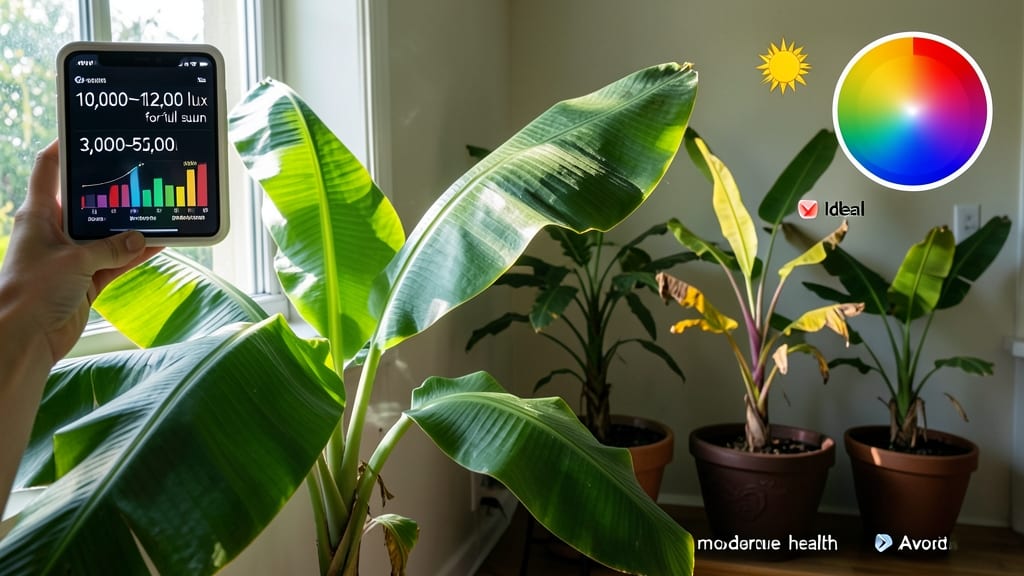
How much light does a banana plant need—this is the question that separates thriving 🍌 trees from struggling houseplants. If you’ve ever watched your banana’s leaves yellow or droop, you’re probably giving it the wrong kind of light. The truth? These tropical giants crave bright, indirect sunlight, but too much direct heat can fry them faster than a forgotten pot of water.
Here’s the kicker: indoor banana plants need 6-8 hours of bright, filtered light daily, while outdoor varieties in zones 10-12 can handle more direct sun—just not the harsh midday glare. Get this wrong, and you’ll end up with weak stems, stunted growth, or worse, leaf burn.
But don’t stress—we’ll break down exactly how to gauge your plant’s light needs, whether you’re battling a dim apartment or a scorching backyard.
You’ll learn how to spot the signs of too little or too much light, plus the best windows, grow lights, or shade solutions for your setup.
Whether you’re a first-time grower or a seasoned tropical plant parent, these tips will help your banana plant reach its full, lush potential—without turning into a sad, leggy shadow of itself.
Let’s dive into the bright, indirect sun secrets that’ll keep your banana plant happy, healthy, and ready to produce those sweet, golden fruits you’re dreaming of. Trust me, your plant will thank you with bigger leaves and better harvests!
 Best Window Placement
Banana plant light requirements: ideal sunlight conditions for growth
Banana plants (Musa spp.) are sun-worshippers that crave bright, indirect light to mimic their tropical homeland. In their natural habitat, they bask under dappled shade from taller trees, receiving 6–8 hours of filtered sunlight daily.
This balance prevents scorching while fueling robust growth. For container-grown plants, even 4–6 hours of morning sun can work, but expect slower development.
Young banana plants and seedlings are more sensitive to light than mature varieties. They thrive with 50–70% shade cloth or east-facing windows to avoid harsh UV rays.
Mature plants, however, can handle direct midday sun for 4–6 hours if acclimated gradually. The key is avoiding intense afternoon heat, which can cause leaf burn.
Here’s how to measure if your banana plant is getting the right light: Hold your hand near the plant’s leaves. If you can’t see your shadow clearly through the foliage, the light is too dim.
Conversely, if leaves appear bleached or crispy, it’s receiving too much direct sun. Aim for a soft, diffused glow that’s bright but not harsh.
Seasonal adjustments are crucial. In summer months, banana plants may need afternoon shade (especially in zones 9+), while winter light often requires supplemental grow lights to maintain 12–14 hours of daylight. Without this, growth stalls, and leaves turn yellow or purple—a classic sign of light deprivation.
🌱
If your banana plant shows signs of light stress, act quickly. For underlit plants, move them to a sunnier spot or add a grow light 6–12 inches above the leaves.
For over-exposed plants, provide afternoon shade with a lightweight shade cloth (30–50%) or relocate to a west-facing window where sunlight is less intense.
Pro tip: Rotate your plant quarter-turns every 2–3 days to ensure even light exposure. This prevents lopsided growth and encourages a fuller canopy. Banana plants are heavy feeders, so pair proper light with balanced fertilizer (10-10-10) to maximize their tropical potential.
In hot climates (zones 10–12), banana plants can handle more direct sun if given consistent watering. However, in cooler zones (9b and below), treat them like tender perennials—they’ll need protection from frost and supplemental heat in winter.
A greenhouse or sunroom is ideal for year-round growth in these areas.
🌿
Remember, banana plants are not desert plants—they thrive in humidity and warmth, not just sunlight. Pair their light requirements with 60–80% humidity and consistent moisture to create the perfect tropical microclimate.
With the right balance, your banana plant will reward you with lush leaves and sweet fruit in as little as 10–12 months.
How to provide the right light for banana plants indoors vs outdoors
Banana plants are light-demanding but hate harsh direct sun, so their care differs dramatically between indoor and outdoor setups. Indoors, you’ll need to mimic tropical sunlight with windows or grow lights, while outdoors, you’ll focus on shade management and microclimate control.
Let’s break down the best approaches for each environment to keep your banana plant thriving.
For indoor banana plants, the south-facing window is your golden ticket—it provides the brightest, most consistent light without the risk of afternoon heat. If that’s not an option, a west-facing window works too, but avoid east-facing spots, which offer morning light only and leave plants starving by afternoon.
North-facing windows? Skip them entirely—banana plants will stretch leggy and weak without enough light.
🌱
Outdoors, banana plants in zones 10–12 can handle more direct sunlight—just not the brutal midday rays. Plant them where they’ll get morning sun and afternoon shade, like under a partial canopy tree or near a building’s north side.
If you’re in a hot, dry climate, a 30–50% shade cloth during peak hours (11 AM–3 PM) can prevent leaf burn while still allowing enough light for growth.
For indoor growers, grow lights are a game-changer—especially in winter or north-facing homes. Opt for full-spectrum LEDs (not cheap fluorescent bulbs) and position them 6–12 inches above the plant’s leaves.
Run them for 12–14 hours daily to mimic tropical daylight. Pro tip: Adjust the height as your plant grows—too close causes leaf burn, while too far leads to weak, leggy growth.
🪴
If you’re growing banana plants in containers outdoors, mobility is your best friend. Move pots to shadier spots during summer afternoons or sunnier areas in winter when light is weaker.
In cooler zones (9b and below), treat banana plants like tender perennials—they’ll need to come indoors or into a greenhouse before the first frost. A sunroom or conservatory is ideal for year-round growth in these areas, as it provides controlled light and humidity.
One common mistake is assuming more light is always better. Banana plants wilting or curling leaves? That’s often a sign of too much direct sun, not too little. Always acclimate plants gradually to brighter conditions—move them incrementally over 1–2 weeks to avoid shock.
And remember: light isn’t the only factor. Pair it with high humidity (60–80%) and consistent moisture to create the perfect tropical microclimate for your banana plant.