
Plants
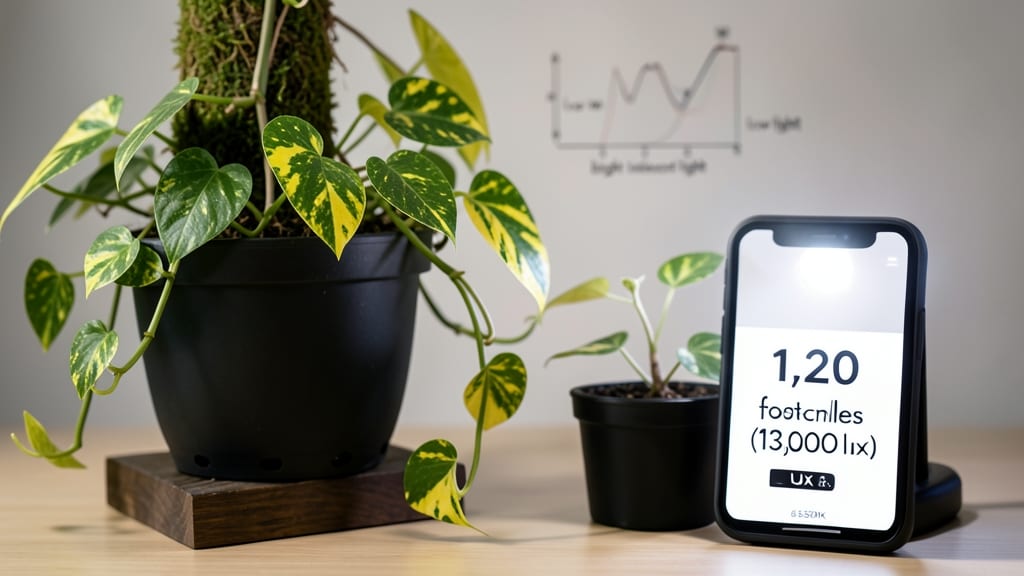
Wondering how much light does a pothos plant need to stay lush and happy?
The answer might surprise you—this hardy vine thrives in conditions most plants would struggle with, from dim offices to bright but indirect sunlight. 🌿 If you've ever watched your pothos bounce back from neglect only to suddenly develop brown patches near a sunny window, you're seeing its remarkable adaptability in action.
What makes pothos so special is its flexibility—it can handle low-light conditions where other houseplants would fade, yet still produces vibrant variegation when given just the right amount of brightness.
The key isn't finding perfect light, but understanding how to spot when your plant is telling you it's getting too much or too little.
In this guide, I'll break down exactly where to place your pothos for optimal growth, from the best windows to artificial lighting solutions when natural light falls short. You'll learn to recognize the subtle signs that reveal whether your plant is basking in ideal conditions or crying out for adjustment.
Whether you're a first-time plant parent or a seasoned green thumb, these insights will help you keep your pothos thriving year-round—no guesswork required. Let's get started with the light secrets that make this plant such a standout star in indoor gardens.
 Best Window Placement
Pothos light requirements: the shocking truth about low to bright indirect sunlight
Pothos plants (Epipremnum aureum) are famous for their ability to thrive in conditions that would leave other houseplants struggling. While they can survive in low-light offices, they also tolerate bright indirect sunlight—making them one of the most adaptable vines for indoor growing.
The key lies in understanding their flexible light spectrum, which ranges from 50 to 1,000 foot-candles of light intensity. For comparison, a typical office gets about 250 foot-candles, while a south-facing window can reach 1,000+. 🌿
Most gardeners mistakenly assume pothos need direct sunlight, but this actually causes leaf burn and brown spots. Instead, they prefer filtered or diffused light, like what you’d find under a sheer curtain or in a north-facing window.
Even fluorescent lighting can work if placed close enough—around 6 to 12 inches from the leaves. The secret to their success? Their variegated leaves (like 'Golden Pothos' or 'Marble Queen') actually crave a little more light to maintain their striking patterns, while solid-green varieties can handle dimmer spots. ✂️
Here’s the surprising truth: Pothos can grow in artificial light alone if placed under LED grow bulbs for 12 to 14 hours daily. This makes them perfect for apartment dwellers or offices without natural light.
However, even in low light, they’ll grow—just more slowly and with longer stems (a sign they’re stretching toward light). The goal isn’t to mimic outdoor sunlight but to provide consistent, gentle illumination that keeps their leaves vibrant and their growth steady. 🪴
The ideal light range for pothos falls between 500 and 1,000 foot-candles, where you’ll see the best balance of growth speed and leaf vibrancy. For example, a 'Golden Pothos' placed near an east-facing window will develop brighter yellow variegation than one tucked in a dark corner.
Meanwhile, a 'Neon Pothos' (with lime-green leaves) thrives in moderate light but can still survive in low light—just with less intense coloration. 🌳
One common misconception is that pothos can’t handle any direct sunlight. While they can tolerate brief morning sun (like 1-2 hours), prolonged exposure—especially from south-facing windows—will scorch their leaves. The fix?
Use a sheer curtain to diffuse harsh rays or move the plant 3 to 5 feet back from the window. Even a rotating schedule (moving the plant weekly) can prevent uneven light stress. ☀️
If you’re growing pothos outdoors, they can adapt to partial shade in USDA zones 9-11, but they’ll need protection from afternoon sun in hot climates. In cooler zones, they’ll die back in frost but can often recover from rhizomes come spring.
The flexibility doesn’t stop there—pothos can even recover from neglect, making them perfect for busy plant parents or travelers who can’t commit to daily care. 🌱
To maximize your pothos’s potential, rotate the pot every few weeks so all sides get even light exposure. This prevents lopsided growth and ensures the variegated patterns stay symmetrical.
For indoor setups, south-facing windows are ideal if you use a light filter, while north-facing windows offer perfect low-stress conditions. The goal is to mimic the dappled shade of their native tropical forest habitat—where they grow along the ground or climb trees in filtered sunlight. ✅
Pro tip: If your pothos starts developing long, bare stems (a sign of light deprivation), it’s time to increase light exposure or prune the leggy growth to encourage bushier regrowth. Conversely, if leaves turn yellow with brown edges, it’s getting too much direct sun.
The solution? Adjust placement or thin out nearby plants that might be competing for light. 💧
Remember, pothos are forgiving—they’ll survive in less-than-ideal light, but they’ll thrive when given the right conditions. Whether you’re placing them in a bathroom with a skylight, a home office, or a sunroom, the key is observation.
Watch how the leaves respond, and adjust gradually. With this flexibility, your pothos can become the low-maintenance green machine every plant lover dreams of. 🪴
Pothos light requirements: the shocking truth about low to bright indirect sunlight
Pothos plants (Epipremnum aureum) are famous for their adaptability, but their light needs often get oversimplified. The truth? They thrive in a surprisingly wide range—from low-light offices to bright indirect sunlight.
Most gardeners assume they need minimal light, but pushing them too far in either direction can cause stress. The secret lies in understanding their optimal light spectrum and how to spot subtle cues your plant is sending.
The ideal light range for pothos falls between 100-1,500 foot-candles of brightness. That’s roughly the light you’d find 10-20 feet from a north-facing window or under a sheer curtain. Surprisingly, they can even tolerate as little as 50 foot-candles—perfect for bathrooms or basements—though growth may slow dramatically.
On the other end, they’ll handle up to 2,000 foot-candles if it’s bright indirect light, but direct sun will scorch their delicate leaves.
Here’s the game-changer: Pothos leaves actually adjust their color based on light exposure. In low light, their variegation fades to solid green, while bright indirect light brings back those stunning yellow or white patterns.
This isn’t just aesthetic—it’s your plant’s way of telling you it’s happy! The key is finding that balance point where your pothos stays lush without stretching or burning.
🌱 Pothos Light Requirements at a Glance
| Light Condition | Foot-Candles | Leaf Color | Growth Pattern |
|---|---|---|---|
| Deep Shade | 50-200 | Solid green | Slow, leggy |
| Low Light | 200-500 | Green with faint variegation | Moderate, healthy |
| Bright Indirect | 500-1,500 | Vibrant variegation | Fast, bushy |
| Direct Sun | >2,000 | Brown patches | Stressed, crispy edges |
Most beginners make two critical mistakes with pothos lighting: either placing them in too much direct sun (causing leaf burn) or keeping them in permanent darkness (leading to weak, stretched vines). The solution? Rotate your plant quarter-turns every few weeks to ensure even light exposure.
This prevents lopsided growth and helps maintain that perfect balance of variegated patterns. Even a simple windowsill rotation can work wonders for a plant that’s been languishing in one spot.
Pro tip: If your pothos is near a window, use a sheer curtain to diffuse harsh afternoon sun. East-facing windows are ideal—they provide gentle morning light without the intensity of south-facing exposure.
For urban dwellers with limited natural light, LED grow lights (even basic ones) can mimic that perfect bright indirect spectrum your pothos craves. Just 4-6 hours of artificial light daily can transform a struggling plant into a thriving vine.
Remember, pothos plants are forgiving, but they’re not invincible. Pay attention to their leaf color and growth rate—these are the best indicators of whether you’ve nailed their light needs.
With the right balance, your pothos will reward you with glossy leaves and rapid growth, making it the ultimate low-maintenance houseplant. 🌿