
Plants
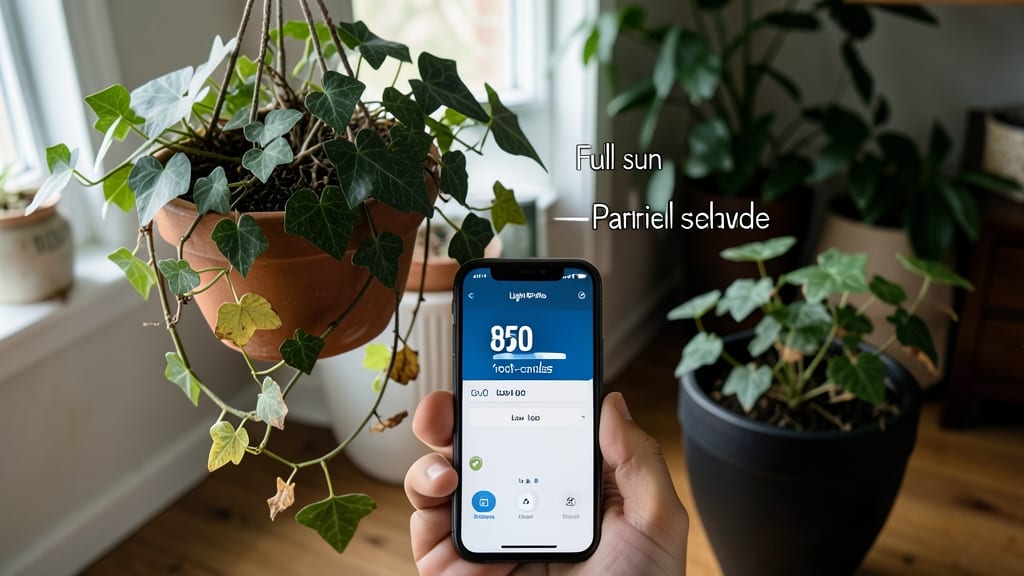
If your ivy plant 🌿 looks more like a sad, droopy mess than a lush green beauty, you might be getting its light needs all wrong.
The truth is, ivy thrives in surprisingly flexible lighting conditions—but too much or too little can make all the difference between vibrant growth and struggling survival.
Most people assume ivy needs bright, direct sunlight, but that’s actually one of the biggest mistakes. While it can handle some sun, too much leads to brown patches or crispy leaves.
The key is finding that sweet spot of bright, indirect light—think east-facing windows or dappled shade outdoors in zone 6a.
Whether you're growing ivy indoors as a trailing houseplant or outdoors as a climbing vine, understanding its light preferences is the first step to keeping it healthy year-round.
I’ll break down exactly how much light ivy needs, how to spot signs of stress, and how to adjust care for different spaces in your home.
Ready to turn those leggy stems into full, bushy foliage? Let’s dive into the simple secrets that will have your ivy looking its best with minimal effort.
 Best Window Placement
Ivy plant light requirements: low to medium sunlight explained
Ivy plants are famously adaptable, but their light needs are often misunderstood. Unlike sun-loving succulents, ivy thrives in partial shade to bright indirect light, making it perfect for homes with limited sunlight.
However, too little or too much light can stress your plant, leading to common problems like leggy growth or yellowing leaves. Let’s break down the ideal conditions to keep your ivy lush and healthy.
Most ivy varieties—like English ivy (Hedera helix) and Swedish ivy (Plectranthus verticillatus)—prefer 4-6 hours of indirect sunlight daily. This means placing them near a north-facing window or in a spot with filtered morning sun.
Direct afternoon sun can scorch delicate leaves, while deep shade may cause weak, sparse growth. Understanding these nuances is key to avoiding common mistakes.
Here’s the critical distinction: English ivy can tolerate more shade (as little as 2-3 hours of light), while Swedish ivy needs slightly brighter conditions to maintain vibrant foliage.
Even within these ranges, signs like pale leaves or stretched stems signal your plant isn’t getting enough light, while brown leaf tips or wilting often mean too much direct sun.
| Ivy Type | Ideal Light | Tolerance | Signs of Stress |
|---|---|---|---|
| English Ivy (Hedera helix) | 2-6 hours indirect light | Low to medium shade | Leggy stems, pale leaves |
| Swedish Ivy (Plectranthus) | 4-6 hours bright indirect | Medium light, some direct | Brown tips, slow growth |
| Boston Ivy (Parthenocissus) | 6+ hours sun (outdoor) | Full sun tolerance | Leaf scorch, yellowing |
🌿 Note: All ivies avoid harsh midday sun (12 PM - 3 PM).
Outdoor ivy plants, like Boston ivy, can handle full sun exposure when grown on walls or fences, but indoor varieties will suffer without adjustments. If you notice your ivy’s leaves turning yellow or brown, it’s often a sign of over-exposure.
Move it to a spot with sheer curtains or dappled shade to protect it. Conversely, if growth slows or stems stretch excessively toward light, it’s craving more brightness—just avoid placing it in a south-facing window without protection.
Seasonal changes also affect ivy’s light needs. In winter, when natural light is scarce, supplement with a grow light for 6-8 hours daily if your plant appears weak. Conversely, in summer, watch for leaf burn if temperatures rise above 85°F (29°C).
A simple trick is to rotate your ivy quarter-turns weekly to ensure even light exposure on all sides, preventing lopsided growth.
For indoor gardeners, the best spots are near east or north windows, where morning light is gentle. If you’re using artificial lighting, opt for LED grow lights placed 12-18 inches above the plant for 12-14 hours daily.
Avoid fluorescent bulbs, as they emit too little red light for optimal growth. Pro tip: Place a humidity tray nearby to mimic the moist conditions ivy loves in partial shade.
One of the biggest myths about ivy is that it can thrive in complete darkness. While it may survive for months in low light, its growth will be stunted and weak. Think of ivy like a low-light office plant—it’s resilient but not indestructible.
If your ivy starts looking sparse or leggy, it’s begging for more light. The good news? Even a small windowsill with indirect light can revive a struggling plant within weeks.
To summarize, ivy’s light needs boil down to balance: enough to fuel growth but not so much it causes stress. Start by placing your ivy in bright, indirect light, monitor its response, and adjust gradually.
With the right conditions, your ivy will reward you with vibrant green leaves and vigorous growth year-round. 🌿
Optimal light conditions for ivy growth: room-by-room guide
Ivy thrives in bright, indirect light, making it perfect for homes with limited sunlight. Unlike sun-loving plants, ivy adapts to low-light conditions but struggles in dark corners or harsh midday sun. The key is finding the sweet spot—enough light to fuel growth without scorching delicate leaves.
Your ivy’s placement depends on your home’s natural light sources. East-facing windows offer gentle morning sun, ideal for most ivy varieties. North-facing windows provide consistent, soft light all day, while west-facing windows can deliver too much intense afternoon sun, risking leaf burn.
For indoor ivy care, rotate your plant quarter-turns weekly to ensure even light exposure. This prevents leggy growth (when stems stretch toward light) and keeps foliage lush. If your home lacks natural light, supplement with a grow light (12-14 hours/day) to mimic sunlight.
🌿
- 🌱 Kitchens: East or north windows—bright but indirect. Avoid south-facing windows (too hot).
- 🚿 Bathrooms: North or east windows—humidity helps, but ensure ventilation to prevent mold on leaves.
- 🛋️ Living Rooms: 3-6 feet from west windows (use sheer curtains to diffuse light).
- 💼 Offices: Under fluorescent lights (12+ inches away) or near a grow light for consistent growth.
- 🌳 Outdoor Ivy: Dappled shade (under trees) or morning sun only—afternoon shade protects from heat stress.
Seasonal changes affect ivy’s light needs. In winter, when daylight shortens, move plants closer to windows or add LED grow bulbs to prevent stunted growth.
Conversely, in summer, filter harsh sunlight with sheer curtains or relocate ivy to a shadier spot to avoid brown leaf tips or sunburn. 🌞
Outdoor ivy planted in shady gardens (like under decks or trees) grows slower but remains vibrant. If you notice pale leaves, it’s craving more light—gradually introduce it to brighter conditions over 2-3 weeks to avoid shock.
For indoor-outdoor transitions, acclimate plants by placing them in partial shade for a week before full exposure. 🪴
Remember, ivy’s flexibility is its superpower. Whether you have a sunny conservatory or a dim basement, with the right adjustments, your ivy will thrive. The goal? Happy, healthy leaves—not perfection. Start with these room-specific tips, and watch your ivy flourish in its perfect light zone! ✂️