
How To
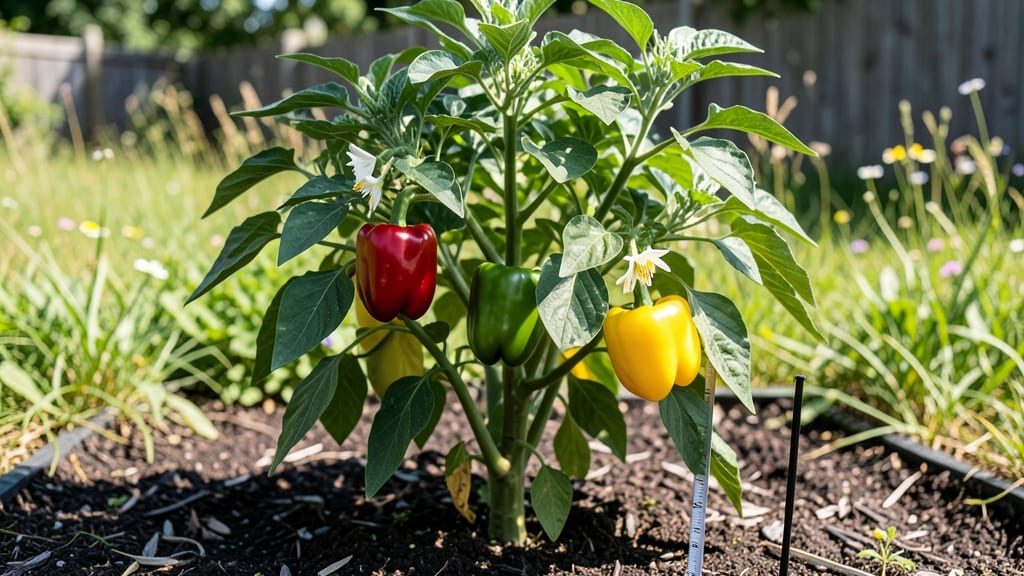
If you're wondering how tall does a bell pepper plant grow, the answer might surprise you—especially if you're working with limited garden space.
These vibrant 🌶️ plants can range from compact 1-2 feet for dwarf varieties to towering 3-4 feet for standard types, making them surprisingly adaptable to different growing setups.
For gardeners in USDA Zone 6a, where spring planting runs from April to May, choosing the right variety is the key to success. Some bell peppers grow like bushy shrubs, perfect for containers or small gardens, while others climb like vines, needing support to reach their full height.
The difference often comes down to whether you pick a dwarf or standard variety—and your available space.
What you might not realize is that even tall varieties can be managed with simple techniques like trellising or strategic pruning. This means you can enjoy fresh peppers whether you have a sprawling backyard or just a sunny windowsill.
Let’s break down exactly what to expect from your bell pepper plants and how to optimize their growth for your space.
From space-saving varieties that thrive in pots to tips for controlling height naturally, you’ll discover how to grow bell peppers that fit your garden—no matter how big (or small) it is. Ready to transform your growing plans?

Average bell pepper plant height by variety: from dwarf to towering
Bell pepper plants vary dramatically in height, depending on the variety and growth habit. Most standard types reach 3–4 feet tall, while dwarf varieties stay under 2 feet. Understanding these differences helps you plan spacing, supports, and container sizes for your garden.
Height isn’t just about aesthetics—it impacts yield potential, sunlight access, and even harvesting ease. For example, tall varieties like 'California Wonder' need sturdy stakes, while compact types like 'Snackable' thrive in pots. Let’s break down the most common heights by variety and growth type.
Bush-type bell peppers grow in a compact, determinate pattern, reaching maturity at 2–3 feet tall. These are ideal for small gardens or containers because they produce all their fruit at once before slowing growth. Indeterminate varieties, on the other hand, keep growing taller (3–5 feet) and produce peppers continuously throughout the season.
Here’s a quick comparison of growth habits:
- Bush (determinate): Stops growing after fruiting (e.g., 'Blockbuster').
- Indeterminate: Grows taller indefinitely (e.g., 'Jalapeño M').
- Dwarf/semi-dwarf: Stay under 2 feet (e.g., 'Patio Baby').
Now, let’s dive into the height ranges for popular varieties in the summary table below. This will help you visualize which types fit your space and gardening goals.
| Variety | Growth Habit | Mature Height | Spacing Needs | Best For |
|---|---|---|---|---|
| California Wonder | Indeterminate | 3–4 ft | 18–24 in apart | Large gardens, trellises |
| Blockbuster | Bush (Determinate) | 2–3 ft | 12–18 in apart | Containers, small plots |
| Jalapeño M | Indeterminate | 3–5 ft | 18–24 in apart | Trellises, vertical gardens |
| Snackable | Bush (Determinate) | 1–2 ft | 12 in apart | Windowsills, small pots |
| Patio Baby | Bush (Determinate) | 1.5–2 ft | 12 in apart | Balconies, patio containers |
| Arpad F1 | Indeterminate | 3–4 ft | 18–24 in apart | Trellises, vertical space |
If you’re growing tall varieties, consider adding support structures like cages or stakes early. Indeterminate types, like 'Jalapeño M', can reach 5 feet if left unchecked, so pruning or trellising is key.
For small-space gardens, dwarf varieties like 'Snackable' or 'Patio Baby' are game-changers—they fit in 5-gallon pots and produce abundant peppers without sprawling.
Another factor to consider is pruning habits. Some gardeners top indeterminate plants at 3 feet to encourage bushier growth and easier harvesting. This works best for heirloom varieties like 'Big Jim', which can grow 4–5 feet without intervention. Always research your specific variety’s tendencies before planting.
For container gardening, choose varieties that stay under 2 feet tall. A 5-gallon pot is ideal for dwarf types, while larger containers (at least 10 gallons) work for semi-dwarf varieties like 'Blockbuster'.
Remember, root space is just as important as height—crowded roots lead to stunted growth and fewer peppers.
Pro tip: If you love colorful bell peppers but have limited space, opt for bush varieties like 'Lunchbox' (red) or 'Sunny' (yellow). These stay compact while delivering a high yield of 6–8 peppers per plant.
For vertical gardens, indeterminate types like 'Arpad F1' thrive on trellises, saving floor space while producing continuously.
Lastly, don’t forget that soil quality and sunlight play
Average bell pepper plant height by variety: from dwarf to towering
When planning your bell pepper garden, knowing how tall bell pepper plants grow helps you choose the right varieties for your space. Most standard bell peppers reach 3-4 feet tall, but dwarf varieties stay between 1-2 feet, making them perfect for containers or small plots.
The height difference often comes down to whether the variety is bush-type or indeterminate—the latter keeps growing until frost.
For example, the popular 'California Wonder' variety typically grows 3-4 feet tall and produces heavy yields, while 'Snackable' peppers max out at 18-24 inches, ideal for windowsill gardens. Even within standard varieties, growth habits vary—some sprawl wider, while others grow taller and may need staking.
Understanding these differences is crucial because tall varieties need more vertical space or support, while compact varieties thrive in pots or tight garden beds.
If you're in USDA Zone 6a, where growing seasons are shorter, choosing the right height can mean the difference between a bountiful harvest and a struggle to reach maturity before frost.
| Variety | Height Range | Growth Type | Best For |
|---|---|---|---|
| California Wonder | 3-4 ft | Indeterminate | Large gardens, staking |
| Snackable | 1-2 ft | Bush | Containers, small spaces |
| Jalapeño M | 2-3 ft | Bush | Balconies, raised beds |
| Patio Baby | 1.5-2 ft | Bush | Pots, urban gardens |
| Carmen | 2-3 ft | Indeterminate | Trellises, vertical gardens |
If you're growing bell peppers in containers, always choose dwarf or semi-dwarf varieties to avoid root-bound stress. For in-ground planting, taller varieties like 'California Wonder' can produce 10-15 peppers per plant, but they’ll need 18-24 inches of spacing to thrive.
Meanwhile, compact varieties like 'Snackable' can be spaced just 12 inches apart, making them ideal for high-density planting.
One common mistake is assuming all bell peppers grow the same height. For instance, 'Jalapeño M' stays shorter than 'Carmen', which can climb if given support. This means your garden layout should account for both height and spread, especially if you're mixing varieties.
Always check seed packets or plant tags for specific height expectations—it’s the fastest way to avoid overcrowding or wasted space.
For gardeners in cooler climates like Zone 6a, selecting shorter varieties can also help peppers mature faster before the first frost. A 2-foot-tall plant will reach harvest readiness quicker than a 4-foot variety, giving you more time to enjoy fresh peppers straight from the garden.
Plus, shorter plants are easier to maintain and harvest, reducing back strain during busy growing seasons.