
Plants
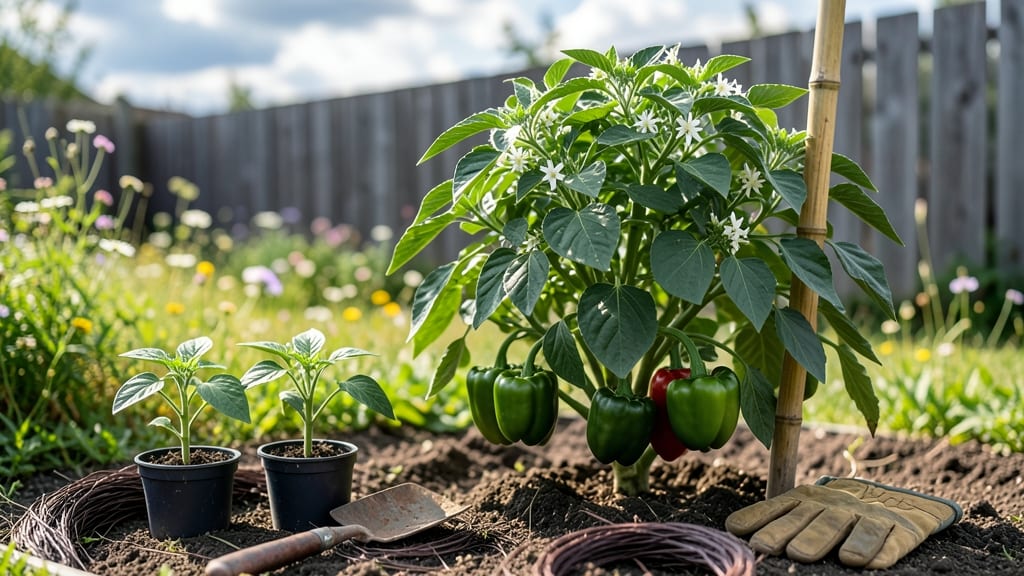
Timing your 🌶️ bell pepper planting in Michigan isn’t just about avoiding frost—it’s about unlocking a harvest that stretches from July to October. Get it wrong, and you’ll either lose your plants to late spring chills or watch your peppers struggle in the heat.
But with the right frost-free deadlines for your zone, you can turn your garden into a pepper powerhouse.
Most Michigan gardeners know the late April to mid-May window is critical, but here’s the secret: soil temperature matters more than calendar dates. Your 🌶️ bell peppers won’t thrive until the ground hits at least 60°F, and nighttime temps stay above 50°F.
That means waiting for the last frost and the right conditions—something that varies wildly between Detroit’s 5b and Traverse City’s 6b.
Whether you’re starting seeds indoors 8-10 weeks before the last frost or transplanting seedlings after Memorial Day, this guide gives you the exact windows to maximize your harvest. We’ll also cover how to stretch your growing season with row covers and cold frames—because in Michigan, every extra week counts.
Ready to grow peppers that actually ripen? Let’s dive into the zone-specific deadlines and pro tips that’ll keep your plants happy from seed to harvest.
Michigan bell pepper planting deadlines by USDA Zone (last frost dates & heat needs)
Michigan’s USDA zones 4-6 create unique challenges for bell pepper growers. These heat-loving plants need 75°F+ soil temperatures and frost-free conditions to thrive. In my experience, planting too early leads to stunted growth, while waiting too long cuts your harvest short.
Let’s break down the exact planting windows for each zone to maximize your yield.
First, check your last frost date—Michigan’s ranges from mid-April in southern zones to late May in the north. Bell peppers are sensitive to cold, so I always wait until soil temps hit 60°F+ (use a soil thermometer to confirm).
For direct sowing, aim for 2-3 weeks after your last frost, while transplants can go out slightly earlier if hardened off properly.
Pro tip: Start seeds 8-10 weeks indoors if you want a jump on the season. Use grow lights for 12-14 hours daily until transplanting. This gives you earlier harvests and longer growing time before Michigan’s first frost (mid-October).
| USDA Zone | Last Frost Date | Direct Sow Window | Transplant Window | First Frost Risk |
|---|---|---|---|---|
| Zone 4 (Northern MI) | Mid-May | Late May - Early June | Early May (hardened off) | High (early Oct) |
| Zone 5 (Central MI) | Early May | Late April - Mid-May | Mid-April (hardened off) | Moderate (late Sept) |
| Zone 6 (Southern MI) | Mid-April | Early April - Late April | Late March (hardened off) | Low (Oct) |
🌱 Key: Transplanting gives peppers a 2-3 week head start over direct sowing
For Zone 6 gardeners (like me in southern Michigan), I plant transplants in late March under row covers and direct sow in early April. This double approach ensures a continuous harvest from July through October.
In Zone 4, I focus on transplants only—direct sowing rarely works due to late frosts.
Don’t forget: Soil temperature matters more than air temperature. Test it with a soil thermometer—peppers won’t germinate well below 60°F. If your soil is cold, use black plastic mulch for a few weeks to warm it up faster.
I’ve seen 3-4 week differences in germination timing just by using this trick!
One common mistake? Planting too close to summer’s end. If you’re in Zone 5 or 6, aim to have peppers 60+ days old by July 1st to ensure they mature before frost.
For late-season varieties (like 'Apache' or 'Carmen'), you can push it to mid-July plantings with row covers.
Remember: Bell peppers need heat to set fruit. If nights dip below 50°F, flowering slows dramatically. That’s why I always monitor nighttime temps and use row covers if needed. In my garden, this has extended my harvest by 3-4 weeks in cooler years.
For succession planting, sow new seeds every 2 weeks until mid-July. This staggered approach gives you peppers ripening at different times, preventing glut and waste. I’ve had continuous harvests from July to October using this method in Zone 6.
Finally, choose the right varieties for your zone. Short-season peppers (like 'Early Cal Wonder') mature in 60 days, while longer varieties (like 'Jupiter') need 80+ days. Match your planting window to your pepper’s days-to-maturity—this is the #1 factor in successful Michigan pepper growing!
How to extend Michigan’s growing season for bell peppers (cold frames, row covers & succession planting)
Michigan’s short growing season can feel like a race against time for 🌶️ bell peppers, but with the right tricks, you can stretch your harvest from summer deep into fall. The key? Protecting young plants and using succession planting to keep fresh peppers coming all season.
Even in USDA Zone 5b, where frost can sneak in by mid-October, you can add 4-6 extra weeks of growing time with simple tools.
Start by planning for two planting waves: your main crop in late May and a succession batch in July. The July planting gives you peppers that mature just as the first frost threatens, while the earlier crop gets a full head start.
For maximum protection, combine these strategies with row covers or mini cold frames—both of which can shield plants from 20-30°F dips, buying you precious extra time.
Here’s the game plan: Cold frames (like hoop houses with clear plastic) work best for early spring starts or late fall extensions10-15°F warmer than outside. For row covers, opt for lightweight floating fabric (like Reemay) to protect seedlings during late spring chills or early fall frosts. Just
🌱 5 Pro Tips to Extend Your Pepper Season
- 📅 Plant succession batches every 2-3 weeks from June to July for continuous harvests. Use fast-maturing varieties (like 'Early California Wonder') for late crops.
- 🔥 Use black plastic mulch to warm soil 5-10°F faster in spring. Remove it in fall to extend warmth for late peppers.
- 🛡️ Deploy row covers at night when temps drop below 50°F. Secure with bricks or stakes to prevent wind damage.
- ☀️ Maximize sunlight by planting near south-facing walls or using reflective mulch to boost warmth.
- 🌡️ Monitor soil temps with a soil thermometer. Bell peppers need 60°F+ to thrive—wait until then, even if calendar dates suggest otherwise.
Don’t overlook container gardening as a way to move peppers to safety. If frost is forecast, transfer potted plants to a garage or sunroom with a grow light for a few weeks. This can add 3-4 extra weeks of growth, giving you time to harvest peppers that were nearly ready. Just be sure to harden off plants before moving them back outside in spring.
For the most ambitious gardeners, low tunnels (small hoop houses) are a game-changer. They’re easier to set up than cold frames and can extend the season by 6-8 weeks on either end.
Pair them with drip irrigation to keep soil moist without disturbing the plants, and you’ll have peppers well into November in warmer microclimates.
Remember, the goal isn’t just to delay frost—it’s to optimize growing conditions. Combine these techniques with regular harvesting (which encourages more production) and consistent watering, and you’ll turn Michigan’s short season into a pepper paradise. 🌶️