
How To
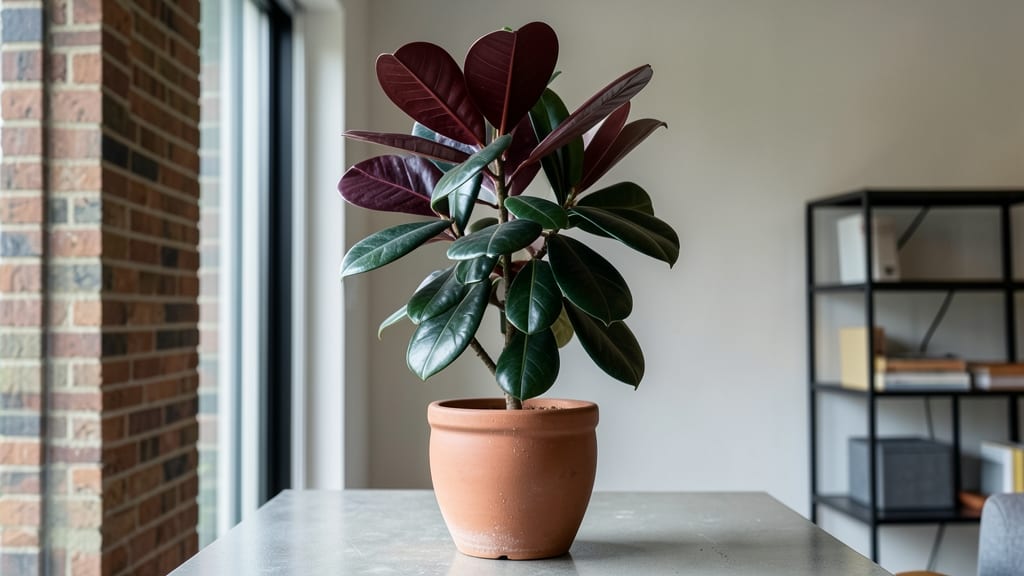
If you're wondering how tall does rubber plant grow, you're about to discover that this striking 🌿 can become a real statement piece in your home—if you give it the right care.
Rubber plants (Ficus elastica) are known for their bold leaves and impressive height, but their growth depends on variety, light exposure, and even how you prune them.
Some varieties stay compact, perfect for small spaces, while others can reach towering heights of 10 feet or more with ideal conditions. Whether you're dreaming of a lush indoor jungle or a low-maintenance desk companion, understanding these growth patterns is key to getting the plant you want.
In this guide, I'll break down the height ranges by popular varieties, share secrets to control growth, and reveal common mistakes that can stunt your rubber plant's potential. Let's get your 🌿 thriving at just the right size for your space!
From dwarf varieties that stay under 4 feet to robust types that stretch toward the ceiling, your rubber plant's future height is in your hands. Ready to learn how to shape its growth? Let's dive in.

Rubber plant height ranges by variety: from dwarf to towering giants
The rubber plant (Ficus elastica) is a showstopper in any home, but its mature height can vary dramatically depending on the variety and growing conditions.
On average, rubber plants reach 6 to 10 feet tall indoors, but some dwarf varieties stay compact at just 2 to 4 feet. Understanding these differences helps you choose the perfect plant for your space and care needs.
Most rubber plants grow 1 to 2 feet per year when happy, but their final height is heavily influenced by genetics, light exposure, and pruning habits.
For example, the Robusta variety often tops out at 8 to 10 feet, while the Black Prince remains more manageable at 4 to 6 feet. Let’s break down the height ranges by variety so you can set realistic expectations.
🌿
If you’re working with limited ceiling space, dwarf varieties like 'Annie' are ideal—they max out at 4 feet and grow just 0.5 to 1 foot per year. These are perfect for bookshelves, desks, or countertops.
On the other hand, if you want a dramatic focal point, the Robusta or Tineke varieties will deliver that 8-to-10-foot statement.
Light exposure plays a huge role in height. Rubber plants grown in bright indirect light (like an east-facing window) will grow taller and bushier, while those in low light may stay shorter but develop long, leggy stems.
For example, a Robusta in a sunny spot might hit 10 feet in 5 years, but the same plant in a dark corner could only reach 4 to 5 feet.
Pro tip: Check the leaf size and stem thickness of your rubber plant. Larger leaves and thicker stems often indicate a variety that will grow taller, like Robusta. Smaller leaves, like those on Black Prince, signal a more compact growth habit.
🌳
Outdoor rubber plants can grow even taller—sometimes reaching 15 to 20 feet in tropical climates (USDA zones 10–12). However, most gardeners grow them as indoor plants, where their height is more manageable.
If you’re considering outdoor planting, choose a sheltered spot with partial shade to prevent sunburn on the large leaves.
Now that you know the height ranges, you can plan for your rubber plant’s future. Need to keep it compact? We’ll cover pruning and pot size tricks in the next section to help you control its growth—whether you want a tabletop treasure or a room-dividing giant.
Rubber plant height ranges by variety: from dwarf to towering giants
Your rubber plant's mature height depends entirely on its variety—some stay compact while others reach ceiling heights. The Ficus elastica family includes stunning variations, each with distinct growth potential.
For example, the Black Prince variety typically stays between 3-6 feet, while the Robusta can soar to 10 feet or taller indoors with proper care.
Even within the same species, growth habits vary. Some varieties grow upright like trees, while others develop bushier, multi-stemmed forms. Understanding these differences helps you choose the perfect plant for your space—whether you need a desk companion or a room-dividing giant.
Let's explore the most popular varieties and their height expectations.
| Variety | Mature Height Range | Growth Rate | Best For |
|---|---|---|---|
| Black Prince | 3-6 ft | Moderate (1-2 ft/year) | Small spaces, desks |
| Robusta | 6-10+ ft | Fast (2-3 ft/year) | Large rooms, statement plants |
| Burgundy | 4-8 ft | Moderate (1-2 ft/year) | Medium spaces, shelves |
| Tineke | 3-5 ft | Slow (6-12 in/year) | Bushy growth, small areas |
| Variegata | 5-8 ft | Moderate (1-2 ft/year) | Bright spaces, collectors |
The Robusta variety is the fastest grower, often reaching 6 feet in just 2-3 years with ideal conditions. In contrast, the Tineke variety grows more slowly but develops a bushier, multi-stemmed form that's perfect for smaller spaces.
If you're working with limited vertical space, consider the Black Prince or Burgundy varieties, which stay under 6 feet while still making a bold statement.
Light exposure dramatically affects height. Rubber plants in bright indirect light grow taller and fuller, while those in low light may stay shorter but develop leggy stems. For maximum height, place your plant near an east or west-facing window where it receives 4-6 hours of filtered sunlight daily.
This setup encourages strong, upright growth rather than stretching toward light sources.
Remember that rubber plants can live for decades with proper care, so their height potential compounds over time. If you're planning to grow a tall specimen, start with a young plant and provide consistent care from the beginning.
With patience and the right conditions, your rubber plant could become a living centerpiece that grows with you for years to come.