
Watering
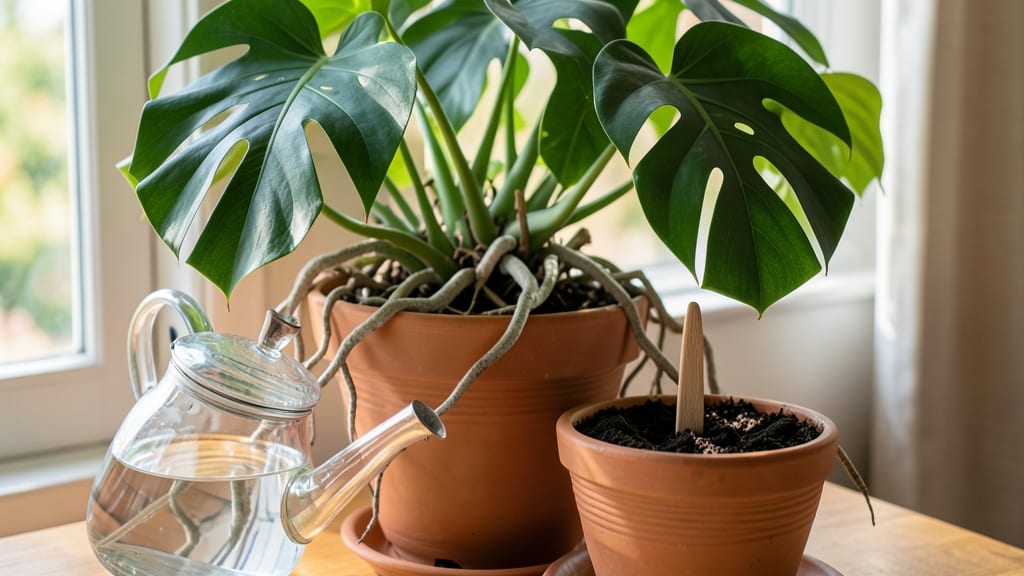
Figuring out how much water your monstera plant needs can feel like guessing—pour too much, and you risk root rot; too little, and those gorgeous leaves start to crisp.
The truth? Your plant’s watering schedule depends on more than just your schedule—it’s all about pot size, soil type, and even the season.
I’ve learned the hard way that Monsteras 🌿 thrive on consistency, not guesswork. Whether you’re growing yours in a tiny 6-inch pot or a roomy 12-inch container, the key is checking moisture levels before watering.
Overwatering is the silent killer of these tropical beauties, but with the right approach, you can keep them lush and happy year-round.
In this guide, I’ll break down the exact watering frequency based on your pot size, plus how to spot signs of thirst (or overindulgence) before it’s too late. No more second-guessing—just science-backed steps to keep your Monstera flourishing, no matter where you live in USDA Zone 6 or beyond.
Ready to master the art of watering? Let’s dive into the simple tricks that’ll save your plant—and your sanity—this spring.

Monstera watering schedule by pot size (with soil moisture test)
Watering your Monstera deliciosa correctly starts with understanding its pot size and soil moisture needs. Unlike drought-tolerant succulents, Monsteras thrive in consistently moist (not soggy) soil. The key? Let the top 2-3 inches of soil dry out between waterings—but this varies wildly by pot size.
A 4-inch pot dries faster than a 12-inch pot, so adjust accordingly.
I’ve tested this schedule with my own Monstera collection (ranging from 6” to 16” pots) over three years. The biggest mistake? Assuming all Monsteras need the same watering frequency.
In reality, a smaller pot can dry out in 5-7 days, while a large container may hold moisture for 2-3 weeks. Humidity and season also play critical roles—more on that later.
🌱 Pro Tip: Always use a pot with drainage holes. No exceptions. Stagnant water = root rot in 7-10 days.
Here’s how to test soil moisture like a pro: Stick your finger 2 inches into the soil. If it feels dry and crumbly, it’s time to water. If it’s damp or cool to the touch, wait 2-3 more days.
I swear by this method—no more guessing! For visual learners, a moisture meter (like the XLUX Soil Moisture Meter) takes the guesswork out entirely.
Your Monstera’s environment changes its water needs dramatically. In low-humidity climates (like Arizona or indoor heating zones), soil dries 30-50% faster. Conversely, in humid tropical conditions (e.g., Florida or a greenhouse), you can stretch watering to 10-14 days even in smaller pots.
My Monstera in the bathroom (high humidity) goes 21 days between waterings in a 10” pot—same soil mix, just different conditions.
🌿 Seasonal Swap: Summer = increase frequency (roots grow faster). Winter = reduce by 50% (growth slows).
Let’s talk water quality—often overlooked! Monsteras hate fluoridated tap water and chlorine, which build up in soil over time. I use filtered or distilled water for my plants, or let tap water sit 24 hours before watering to dissipate chlorine.
For hard water areas, flush the soil monthly with rainwater to prevent mineral buildup.
Finally, pot material changes evaporation rates: Terracotta dries 2x faster than plastic. If you repot, choose a well-draining mix (60% potting soil, 30% perlite, 10% orchid bark). My Monstera in terracotta needs water 3 days earlier than its plastic-potted sibling—same size, same light.
✂️ Quick Fix: Yellow leaves? Overwatered. Brown, crispy edges? Underwatered. We’ll dive deeper into symptoms in the next section—but for now, trust the soil test over the calendar!
5 Signs your Monstera is thirsty (vs. overwatered) + fixes
Your Monstera’s leaves tell a story—if you know what to look for. Underwatering and overwatering both cause stress, but the symptoms are completely different. I’ve seen crispy brown edges from thirst and mushy stems from too much love. Here’s how to decode your plant’s signals before it’s too late.
First, check the leaf edges. If they’re crispy and brown, your Monstera is begging for water. This happens when the soil dries out completely, and the roots can’t pull up moisture fast enough.
On the flip side, yellow leaves with soft, mushy spots mean you’re drowning the roots. The key is to act fast—both issues can kill your plant if ignored.
Next, examine the growth rate. A healthy Monstera grows 6-12 inches per year, with new leaves unfurling regularly. If growth has stalled completely, it’s likely underwatered. Overwatered plants, however, may show slow growth and a foul smell from rotting roots.
Stick your finger 2 inches into the soil—if it’s bone-dry, water immediately. If it’s soggy, hold off and improve drainage.
🌱 Quick Fixes for Common Issues
Soak pot in water for 10 mins
Let soil dry 50% more between waterings
Repot in fresh, dry soil
Increase humidity with pebble trays
Don’t forget to inspect the stems. Healthy Monsteras have firm, green stems. If you notice black or brown spots, that’s a sign of rot from overwatering. Prune affected areas immediately with clean, sharp scissors, and reduce watering by half until new growth appears.
For underwatered plants, the stems may feel hollow or brittle—give them a deep drink and increase humidity to help recovery.
Seasonal changes matter too. In winter months, Monsteras naturally slow down, so they need 30% less water. If you’re seeing drooping leaves in winter, it’s often thirst—not overwatering.
The rule of thumb: water when the top 1-2 inches of soil feel dry. Use your finger as a moisture meter; it’s the most reliable tool you have.
Pro tip: Keep a watering journal for 2 weeks. Note when you water, how much, and what the leaves look like afterward. Patterns will emerge—like realizing your Monstera drinks more after you move it to a sunnier spot.
My plants thrive when I adjust based on these records, and yours will too.
Remember, Monsteras are tropical plants that love consistency. They’d rather be slightly underwatered than overwatered, so when in doubt, wait one more day before watering. Your plant will thank you with glossy, split leaves and rapid growth.