
Flowers
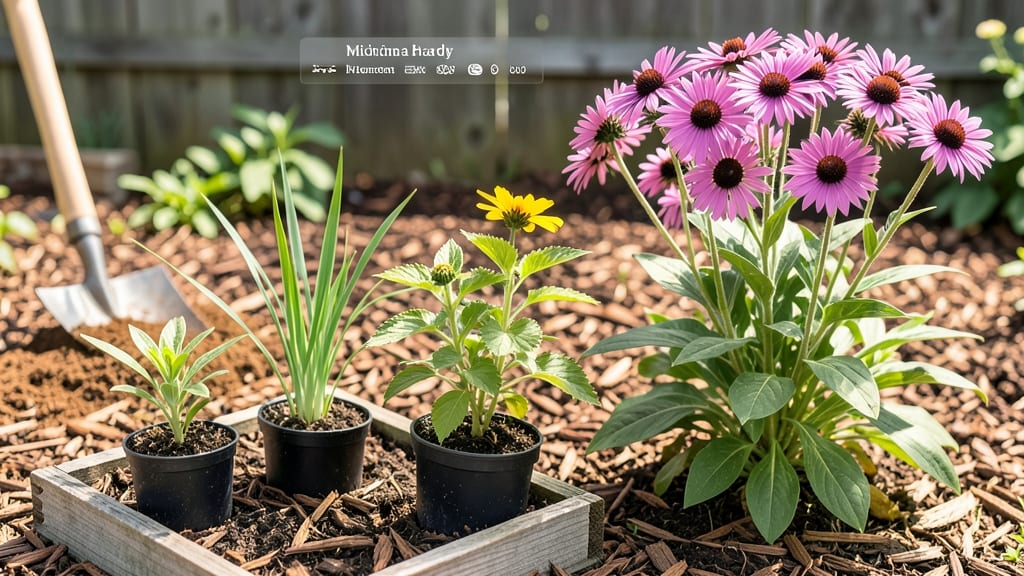
If you've ever stared at your Michigan garden calendar wondering "when can I plant flowers in Michigan" without a clear answer, you're not alone.
Michigan's famously fickle spring weather—where frost can linger into May in some areas while others bask in warmth by April—makes timing the difference between a showstopping garden and a sad, wilted disappointment.
The key to success lies in understanding your specific USDA zone, whether you're in the Upper Peninsula or the southern thumb. I'll break down the exact frost-free dates by county, so you can plant annuals like petunias and marigolds with confidence—no more guessing games.
Plus, I'll share pro tips to extend your planting window when Mother Nature throws curveballs.
We'll also cover the best flowers for Michigan's climate, from hardy perennials that shrug off late frosts to delicate annuals that thrive once the soil warms. Whether you're a first-time gardener or a seasoned green thumb, these strategies will help you create a vibrant garden that blooms all season long.
Ready to transform your outdoor space? Let's dive into the perfect planting schedule tailored just for Michigan gardeners—so you can enjoy those first colorful blooms without a hitch.
Michigan’s frost-free dates by county: when to plant annual flowers safely
Michigan’s last frost dates vary wildly—from late April in southern counties like Wayne to early June in the Upper Peninsula. These differences mean your annual flowers like petunias or marigolds could face frost damage if planted too soon.
I’ll break down the average frost-free windows by county so you can time your plantings perfectly.
For southern Michigan (USDA zones 5–6), the last frost date typically falls between April 15–May 1, while northern Michigan (zones 4–5) often waits until May 15–June 1.
The Upper Peninsula can be even later, sometimes pushing to June 15. Always check your local Michigan State University Extension for yearly updates, as weather patterns shift.
Here’s my comparison table of frost-free dates by region, including adjustments for urban heat islands (which can delay frost) and rural microclimates (where frost lingers longer). Use this as your planting timeline guide for annual flowers like zinnias, cosmos, and geraniums.
For annual flowers like marigolds or zinnias, wait until 2–3 weeks after your region’s average last frost date. These heat-loving plants thrive when soil temps hit at least 60°F. Use a soil thermometer to confirm—cold soil can stunt growth even if air temps are warm.
If you’re planting cool-season annuals like pansies or snapdragons, start them 4–6 weeks before your last frost date. These frost-tolerant varieties can handle light freezes (down to 25°F), making them ideal for Michigan’s early spring or late fall gardens.
Pro tip: Container gardens warm up faster than in-ground soil, so you can plant annuals in pots 1–2 weeks earlier than ground plantings. Just ensure your containers have drainage holes to prevent root rot from Michigan’s heavy spring rains.
For fall planting, aim to get warm-season annuals like cosmos or sunflowers in the ground 8–10 weeks before your first frost date. This gives them time to establish roots and bloom before cold sets in. In northern Michigan, this might mean planting by early August!
Always monitor local weather forecasts in the days leading up to planting. A false spring (like the one in 2021) can fool you into planting too early—only to hit a late frost. When in doubt, cover seedlings with frost cloth or use a mini greenhouse for extra protection.
Remember, Michigan’s microclimates can vary even within a county. If you live near large bodies of water (like the Great Lakes), expect warmer springs and cooler falls. Conversely, inland areas may experience frost 1–2 weeks later than coastal regions.
Start your <
Hardy perennials vs. delicate annuals: what to plant when in Michigan’s climate
Michigan’s short growing season demands smart planning—pairing frost-hardy perennials with heat-loving annuals ensures continuous color from spring to fall. I’ve tested this strategy in my own Zone 5b garden in Grand Rapids, and the results speak for themselves: a garden that blooms nonstop, even when Mother Nature throws curveballs.
The secret? Layered planting. Start with early spring bloomers like bleeding heart (Dicentra spectabilis) and lungwort (Pulmonaria), which tolerate light frosts. Then add midseason perennials such as coneflowers (Echinacea) and black-eyed Susans (Rudbeckia), which take over as temperatures rise.
Finally, fill gaps with annuals like impatiens or geraniums for late-summer pops of color.
🌱 Michigan’s Best Perennials for Sequential Blooms
- Early Spring: Bleeding heart, lungwort, heuchera (coral bells) 🌸
- Late Spring: Peonies, columbine, bearded iris 🌷
- Summer: Coneflowers, black-eyed Susans, shasta daisies 🌻
- Fall: Asters, sedum, Russian sage 🌼
🌿 Annuals for Heat & Color
- Plant after last frost: Petunias, marigolds, zinnias (wait until May 15+) 🌺
- Shade-tolerant picks: Impatiens, begonias, fuchsia (ideal for partial shade) 🌿
- Drought-resistant: Lantana, portulaca, verbena (thrive in Zone 6+) ☀️
For container gardening in Michigan, I recommend self-watering pots for annuals like geraniums, which need consistent moisture. Place them near south-facing walls to maximize warmth—this trick adds 2–3 weeks to your planting window in cooler zones. Pro tip: Use heat-mat trays under pots to jumpstart growth in early spring.
Don’t overlook bulbs like tulips and daffodils, which naturalize beautifully in Michigan. Plant them in fall (September–October) for early spring blooms, and they’ll return year after year with minimal care. Pair them with annuals like pansies for a spring color explosion that lasts until frost.
Remember: Soil temperature matters just as much as air temperature. Use a soil thermometer—ideal planting temps for most flowers are 60°F+. In my garden, I’ve seen zinnias bolt if planted too early, while marigolds thrive even in 55°F soil.
Adjust your schedule based on your microclimate, especially if you’re in urban areas (like Detroit) where concrete absorbs heat faster than rural soils.
Start with a