
Flowers
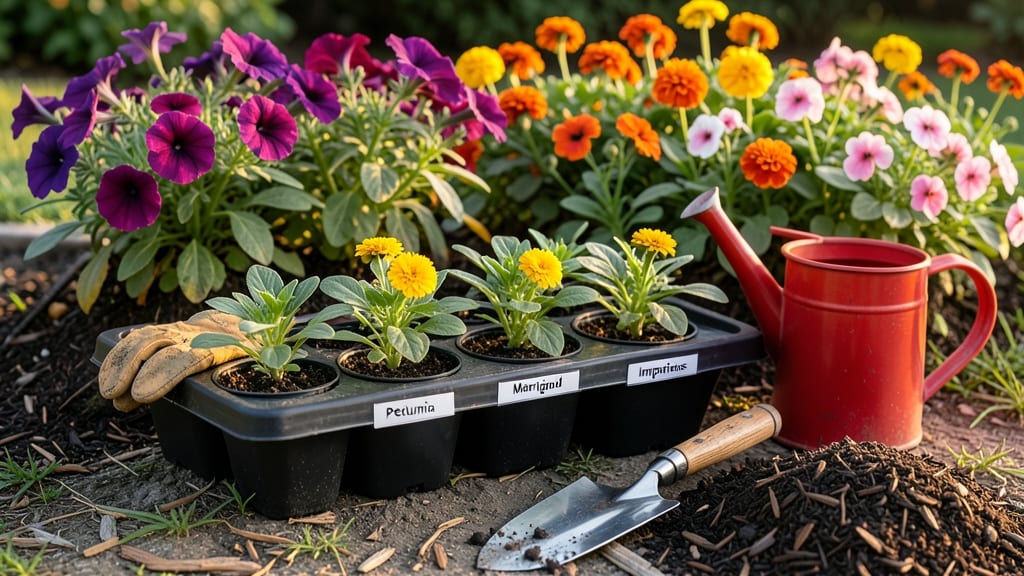
Knowing when is it safe to plant flowers in Michigan can mean the difference between a showstopping garden and a sad, frost-nipped disappointment. As someone who’s watched my 🌸 blooms wilt overnight after an unexpected chill, I’ve learned the hard way that timing isn’t just important—it’s everything.
Michigan’s 5b-6b zones might seem straightforward, but frost dates vary wildly between counties—Detroit’s last frost can arrive weeks before Traverse City’s. That’s why I’ve dug into the data to give you the exact windows (April 15 to May 15 for most regions) when your soil is warm enough and the risk of frost is nearly zero.
In this guide, you’ll discover how to read frost maps like a pro, adjust for your microclimate, and even push your planting season earlier with simple tricks. Whether you’re a first-time gardener or a seasoned pro, these insights will help you avoid the heartbreak of lost blooms.
Let’s get your flowers in the ground at the perfect moment—so you can enjoy a garden that thrives, not just survives. Ready to learn the secrets?
Michigan’s last frost dates by county: a county-by-county safe planting guide
Michigan’s last frost dates vary dramatically from the Upper Peninsula’s chilly north to Detroit’s urban warmth. For zero-risk planting, aim for 2-3 weeks after your county’s average last frost—this gives tender flowers like petunias and geraniums time to establish roots before summer heat arrives.
Southern Michigan counties like Wayne (Detroit) and Monroe (Michigan City) typically see their last frost around April 15-20, while northern areas like Marquette or Houghton often wait until May 10-20.
Even within the same county, microclimates—like urban heat islands or lakeside breezes—can shift safe planting by 1-2 weeks.
🌱 Pro Tip: Check your county’s USDA Hardiness Zone (Michigan spans 4a-6b)—lower zones (like Zone 4a) need extra caution for frost-sensitive flowers.
| Region | Average Last Frost | Safe Planting Window | Example Flowers |
|---|---|---|---|
| Southern MI (Wayne, Monroe) | April 15–20 | April 25–May 5 | Petunias, Marigolds, Zinnias |
| Metro Detroit (Oakland, Macomb) | April 18–22 | May 1–10 | Impatiens, Begonias, Coleus |
| Northern MI (Grand Traverse, Leelanau) | May 5–15 | May 20–June 1 | Pansies, Snapdragons, Calendula |
| Upper Peninsula (Marquette, Houghton) | May 10–20 | May 25–June 5 | Lupines, Delphiniums, Hollyhocks |
| Thumb Region (Huron, Sanilac) | April 22–May 2 | May 5–15 | Geraniums, Dahlias, Sunflowers |
🌡️ Note: Adjust for urban heat islands (+3–7 days earlier) or lakeside zones (+5–10 days later).
For cold-hardy perennials like coneflowers or black-eyed Susans, you can plant as early as late March in southern Michigan, but wait until soil temperatures hit 50°F for annuals. Use a soil thermometer—if it’s below 55°F, tender roots won’t thrive.
🌿 Regional Exception: Traverse City (Leelanau County) often sees frost until May 10, but its lakeside microclimate can delay planting by 2 weeks compared to inland areas. Monitor local weather forecasts for 5-day outlooks before planting.
If you’re in Zone 5b-6a (most of Michigan), prioritize late-May planting for frost-sensitive flowers like impatiens or coleus. For hardy annuals such as pansies or snapdragons, you can start 2-3 weeks earlier—just be ready to cover plants if frost is forecasted.
🌱 Real-World Example: In Kalamazoo (Calhoun County), gardeners typically plant marigolds by May 1 but hold off on tomatoes until May 15—even though both are technically "safe" after the last frost. The extra 10-day buffer accounts for late-spring cold snaps.
For container gardening, you have slightly more flexibility—pots warm up faster than
How to use frost dates and soil temperature for perfect flower planting timing
Understanding Michigan’s frost dates is just the first step—knowing how to apply that knowledge is what separates a thriving garden from a frost-killed disaster. I’ve learned that even after checking the calendar, I still need to verify two critical factors: soil temperature and the specific frost sensitivity of my flowers.
For example, pansies can handle light frosts, while impatiens will bolt at the first chill below 32°F.
Your county’s last frost date (like April 15 for most of southern Michigan) gives you a starting point, but soil temperature is the real game-changer. Most flowers need soil to warm to at least 50°F before planting.
In cooler northern counties, this might mean waiting until early May. Use a soil thermometer—they’re cheap and save your plants from shock.
🌱Pro Tip: If you’re impatient like me, plant frost-tolerant flowers (like calendulas or snapdragons) 2-3 weeks before your last frost date. These hardy varieties can handle 28°F temperatures, giving you an early jumpstart on color.
⚠️ Warning: Don’t Trust Calendar Dates Alone!
Urban heat islands (like Detroit) can be 5-10°F warmer than rural areas, creating microclimates where frost arrives later. Conversely, low-lying areas (like valleys) freeze faster. Always adjust your planting window based on your specific location’s microclimate.
Example: Traverse City’s last frost might average May 1, but a frost-sensitive plant like geraniums needs to wait until soil reaches 55°F—which could be May 15 in some years.
For frost-sensitive flowers, I recommend waiting until you’ve had 5 consecutive days above freezing. This gives young roots time to establish before summer heat arrives. Check the National Weather Service’s 7-day forecast and combine it with your soil thermometer readings for the most accurate timing.
Another trick I use is the “frost-free window” calculation. Michigan’s average frost-free season is 165 days, but this varies by county.
If you’re planting annuals with a 60-day bloom cycle (like zinnias), aim to get them in the ground by May 1 in most regions to ensure they flower before fall frosts arrive.
Finally, remember that evening lows matter more than daytime highs. A sunny 70°F day can drop to 40°F at night—perfect for killing tender seedlings. Use row covers or cold frames if you’re pushing the limits of your frost dates.
By combining frost date knowledge with soil temperature checks and microclimate awareness, you’ll create a planting schedule that works for your specific garden. The result? Zero frost damage and a garden bursting with color from spring to fall. 🌿