
Companion Plants
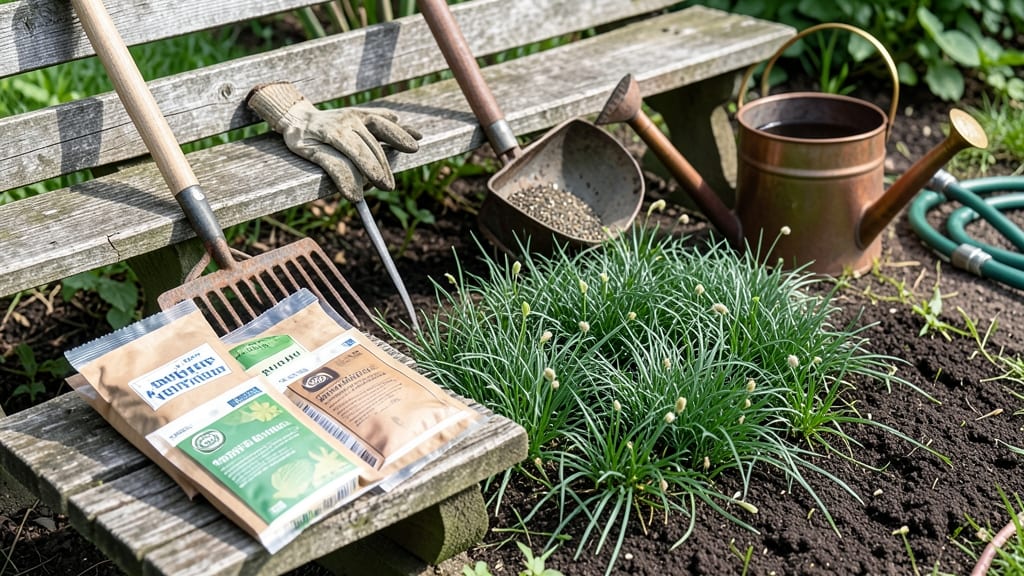
Planting your 🌱 Grass (Lawn Grass) at the wrong time in spring can turn your dreamy green lawn into a patchy, struggling mess—so timing is everything.
The ideal window isn’t just about waiting for warmer weather; it’s about catching that sweet spot 4-6 weeks before your last frost, when soil temperatures hit 55–65°F and the ground is ready to welcome seeds.
If you’re in USDA Zone 6a (like much of the Midwest), that means aiming for early April—just as bulbs start pushing through the soil. But here’s the catch: warm-season grasses (like Bermuda) need even warmer soil, while cool-season types (like Kentucky Bluegrass) can handle slightly cooler temps.
Get this wrong, and you’ll either waste seed on cold soil or rush growth in heat.
I’ll break down exactly how to read your region’s frost dates, test soil readiness, and prep your yard for success—so you avoid the 3 biggest mistakes that kill germination.
Whether you’re seeding a new lawn or overseeding an old one, these spring-specific tips will help you grow grass that’s thick, green, and ready for summer.
Ready to stop guessing and start planting with confidence? Let’s dive into the exact timing, soil prep tricks, and regional tweaks that’ll turn your lawn into the envy of the neighborhood—starting this spring.
Best weeks before last frost to plant grass seed in spring
Planting grass seed in spring requires precision—timing it 4-6 weeks before your last frost date gives seedlings enough time to establish roots before summer heat arrives. This window ensures strong root growth and thicker coverage by midsummer.
For example, if your last frost is April 15, aim to plant by early March in most USDA Zones 5-7. In warmer zones (8-10), you can push it to late February since frost risks are lower.
Soil temperature is the real deciding factor, not just calendar dates. Grass seeds need soil to warm to 55–65°F for optimal germination. Use a soil thermometer to check—if it’s cooler, wait. Cold soil slows growth, leaving your lawn vulnerable to weeds and erosion.
Pro tip: In northern climates, cool-season grasses (like Kentucky bluegrass) can handle earlier planting, while warm-season grasses (like Bermuda) need warmer soil and should wait until late spring.
Regional variations matter! In the Pacific Northwest, last frosts can linger into May, so plant by mid-April. Meanwhile, in the Southeast, where frosts are rare, focus on soil temperature (60°F+) rather than frost dates.
Always check your local USDA Plant Hardiness Zone for tailored advice. For instance, Zone 4 gardeners should wait until late April, while Zone 8 can plant as early as February.
Here’s a 4-week countdown formula to follow:
- Week 1-2: Prepare soil (test pH, till, and add compost).
- Week 3: Plant seed when soil hits 55°F+.
- Week 4: Monitor moisture and protect from late frosts with light row covers. This schedule balances root establishment with frost avoidance.
| Region | Last Frost Date | Ideal Planting Window | Soil Temp Goal |
|---|---|---|---|
| USDA Zones 3-4 (Northeast, Midwest) | Late April–May 15 | Mid-March–early April | 55–60°F |
| USDA Zones 5-7 (South, Central) | March 15–April 15 | Early February–March | 60–65°F |
| USDA Zones 8-10 (Southeast, Southwest) | January 15–March 1 | Late January–February | 65–70°F |
| Pacific Northwest (Zones 7-9) | April 15–May 1 | Mid-March–April | 55–62°F |
🌱 Pro Tip: Use a soil thermometer to confirm readiness—don’t guess!
If you’re unsure about your last frost date, check the National Weather Service or local cooperative extension service. For example, Atlanta (Zone 8a) typically sees its last frost around March 15, so planting by mid-February is ideal.
Meanwhile, Chicago (Zone 5b) waits until early April to avoid frost damage. Always err on the side of waiting too late rather than planting too early—seedlings can’t recover from frost.
For cool-season grasses, like fescue or ryegrass, early spring planting is perfect because they thrive in cooler weather. These grasses establish roots quickly when soil temps are 50–60°F, making them ideal for northern climates.
In contrast, warm-season grasses (such as Zoysia or St. Augustine) need soil temps above 65°F and should wait until late spring or early summer.
One common mistake is planting too close to the last frost date. If you sow seed just 1-2 weeks before frost, seedlings may not have time to develop deep roots before heat stress sets in.
Aim for a 4-week buffer to ensure roots reach 3–4 inches deep before summer arrives. This depth helps grass survive drought and compete with weeds.
Finally, consider microclimates in your yard. Low-lying areas stay cooler longer, while south-facing slopes warm up faster. Test soil temperature in multiple spots to avoid uneven germination.
For example, a north-facing slope might need a 2-week delay compared to a sunny patch. Adjust your planting schedule accordingly to ensure consistent coverage across your lawn.
Remember, the goal is strong roots before summer heat. With the right timing, your grass will outcompete weeds and establish a dense, lush lawn by early summer. Start your countdown now—your future lawn will thank you! 🌿
How to prepare your soil for spring grass planting (step-by-step)
Preparing your soil before planting grass seed is the secret weapon for a thick, healthy lawn. Skipping this step often leads to poor germination and uneven growth. Start by testing your soil’s pH level—ideal grass pH is 6.0–7.0.
If your soil is too acidic (below 6.0), add lime 4–6 weeks before planting. For alkaline soil (above 7.0), mix in sulfur or peat moss. Use a soil test kit (available at garden centers) or send a sample to your local extension office for precise results.
Aerating your lawn is next—this step breaks up compacted soil, allowing roots to penetrate deeply. Rent a core aerator (the best type) and run it over your yard when the soil is slightly moist but not muddy. Focus on areas with heavy foot traffic or thatch buildup.
After aerating, rake out the cores and fill the holes with a 1-inch layer of compost. This boosts organic matter and improves drainage, which grass loves.
- Test Soil pH: Aim for 6.0–7.0; amend with lime or sulfur if needed.
- Aerate Lawn: Use a core aerator in slightly moist soil; remove cores.
- Add Compost: Spread 1-inch layer over aerated holes; rake lightly.
- Level the Ground: Fill low spots with topsoil; rake smooth.
- Remove Debris: Clear rocks, sticks, and old grass clumps.
🌱 Pro Tip: Work soil when it’s 60% moisture—like a damp sponge!
Leveling your yard is often overlooked but critical for even water distribution and uniform growth. Walk your lawn and mark low spots with flags or spray paint. Fill these areas with topsoil (not sand—it compacts) and rake smooth.
Avoid over-filling; a slight slope helps water drain away from your home’s foundation. For high spots, use a shovel or mattock to lower them gradually. Aim for a gentle slope (1–2%) away from structures to prevent water pooling.
Weeds are the #1 enemy of new grass, so kill them before planting. Apply a pre-emergent herbicide (like corn gluten meal) 2–4 weeks before seeding to block weed seeds from germinating. For existing weeds, use a non-selective herbicide (like glyphosate) and wait 2–3 weeks before planting grass.
Never use herbicides right before seeding—it’ll kill your grass too! After treating, till the soil to 1–2 inches deep to bury weed debris and create a clean seedbed.
Moisture control is key in the weeks leading up to planting. Water your prepared soil deeply 1–2 days before seeding to encourage seed-to-soil contact. Aim for 1 inch of water per week (or 1.6 mm per sqft) to keep the top 1–2 inches of soil moist.
Use a rain gauge or tuna can to measure—eyeballing leads to over- or under-watering. Avoid walking on the soil before planting; compacted areas will smother seeds and stunt growth.
Finally, choose the right fertilizer timing to fuel early growth. Apply a starter fertilizer (high in phosphorus) at planting to boost root development. Avoid high-nitrogen fertilizers until after germination—too much nitrogen can burn tender seedlings.
For cool-season grasses, use a 10-10-10 or 5-10-10 blend at ½ pound per 100 sqft. For warm-season grasses, opt for a low-nitrogen starter like 3-6-6 to prevent stress. Spread fertilizer evenly with a broadcast spreader and lightly rake it into the top ¼ inch of soil.
With soil prepped, weeds gone, and moisture just right, your grass seeds will have the perfect foundation to sprout quickly and grow strong. Double-check your work: no rocks, no weeds, no compacted spots.
Now you’re ready to plant—just follow the 4-week countdown we covered earlier. Your lawn’s transformation starts now! ✂️