
Companion Plants
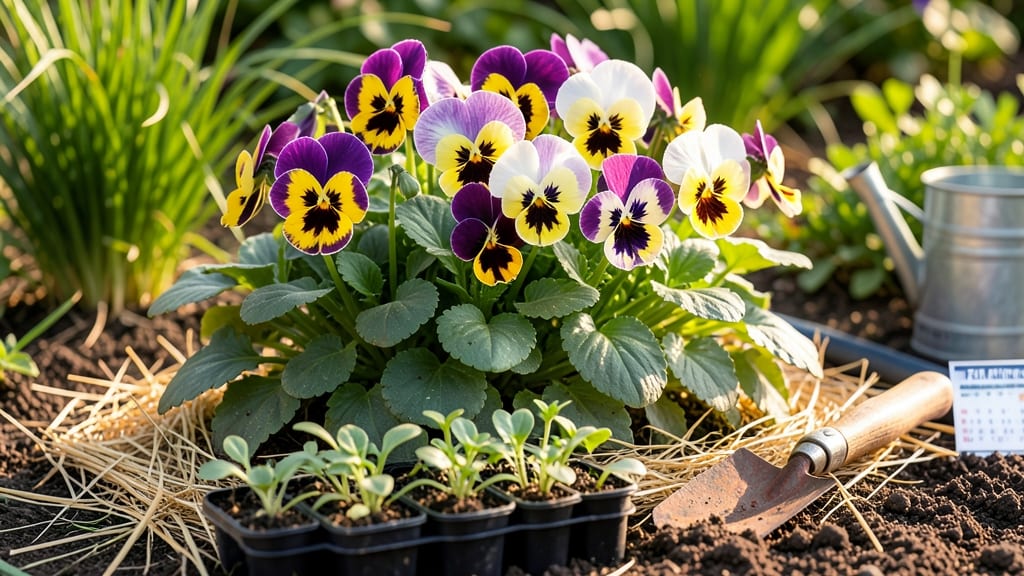
If you're wondering when can I plant pansies in the Northeast, timing is everything—especially when dealing with USDA Zones 3-7 and their unpredictable frosts. These cheerful 🌸 flowers love cool weather but can’t handle late freezes or scorching summer heat.
Planting too early risks frost damage, while waiting too long might leave your garden bare just as blooms arrive. The key is knowing your zone’s last frost date and planning for two perfect windows: late summer for fall color and early spring for vibrant displays.
I’ll break down the exact timing for your zone, plus pro tips to protect your pansies from Northeast quirks like rocky soil or deer raids. Whether you’re a first-time gardener or a seasoned pro, these strategies will help you get it right.
Ready to transform your garden into a year-round blooming paradise? Let’s dive into the frost-resistant timeline that works for your specific zone—and keep those pansies thriving from spring to fall.
Northeast pansy planting calendar by USDA Zone (with frost dates)
Timing your pansy planting is everything in the Northeast, where USDA Zones 3-7 experience dramatic temperature swings. The key is planting 4-6 weeks before the first frost for fall blooms or 6-8 weeks before the last frost for spring displays.
Let's break down the perfect planting windows by zone to ensure your pansies thrive.
Pansies are cold-hardy annuals that can survive light frosts, but they need time to establish roots before winter sets in. In Zone 3, where winters are harshest, focus on late summer to early fall planting (August-September) for fall color.
Meanwhile, gardeners in Zone 7 can push planting into early October for winter interest.
Here's a quick reference for average last frost dates across the Northeast:
For spring planting, aim to get pansies in the ground 6-8 weeks before your last frost date. This gives them time to establish roots before the growing season kicks into high gear.
In Zone 3, this means planting as early as mid-March, while Zone 7 gardeners can wait until late February.
Pro tip: Use succession planting in late summer (August) for a second fall display. Simply plant a new batch of pansies every 3-4 weeks through September to extend your blooms until frost. This works especially well in Zones 5-7, where fall temperatures remain mild longer.
Remember that microclimates matter in the Northeast. If you live near a large body of water or in a sheltered valley, your frost dates may be 1-2 weeks later than average. Always check your local Cooperative Extension Service for precise frost date data tailored to your specific area.
When selecting pansy varieties, opt for cold-hardy types like 'Matrix' or 'Cool Wave' for fall planting. These varieties can withstand 20°F temperatures and often rebound after light frosts. For spring planting, choose heat-tolerant varieties like 'Majestic Giant' to handle summer's brief heat waves.
Always plant pansies in well-draining soil with partial shade in hot afternoons to prevent bolting. Mulch with 2-3 inches of straw after planting to protect roots from temperature swings and retain moisture.
🌸
Northeast pansy planting calendar by USDA Zone (with frost dates)
Figuring out when to plant pansies in the Northeast depends entirely on your USDA Zone and local frost patterns. Since zones 3-7 experience wildly different last frost dates, I’ve mapped out the ideal planting windows to ensure your pansies thrive—not just survive.
For example, gardeners in Zone 3 (think Maine or northern New York) can start pansies as early as late August for fall blooms, while those in Zone 7 (like Virginia or Maryland) might wait until mid-September.
The key is planting 4-6 weeks before your first frost for fall color or 6-8 weeks before your last frost for spring displays.
Here’s a quick reference for your zone, including average frost dates and the best time to plant:
| USDA Zone | Avg. Last Frost | Fall Planting Window | Spring Planting Window | Notes |
|---|---|---|---|---|
| Zone 3 | May 15 | Late August - Early September | Early April - Mid-April | Use cold-hardy varieties like 'Ice King'. |
| Zone 4 | May 1 | Early September | Late March - Early April | Mulch heavily for winter protection. |
| Zone 5 | April 15 | Mid-September | Mid-April | Ideal for 'Matrix' series pansies. |
| Zone 6 | April 1 | Late September | Late March - Early April | Succession plant in October for winter blooms. |
| Zone 7 | March 15 | Mid-September | Early March | Heat-tolerant varieties like 'Soraya' work well. |
Pro tip: Check your local Almanac frost dates—they’re more accurate than zone averages. If you’re in a microclimate (like a sheltered valley or urban heat island), adjust your timing by 1-2 weeks accordingly.
For succession planting—the secret to nonstop blooms—add a second batch of pansies in late summer (August) to bridge the gap between spring and fall plantings. This ensures your garden stays vibrant from April through October.
Once you’ve nailed the timing, the next step is protecting your pansies from Northeast challenges like rocky soil or deer raids. But that’s a story for the next section—where I’ll show you how to keep your pansies thriving year-round.