
Companion Plants
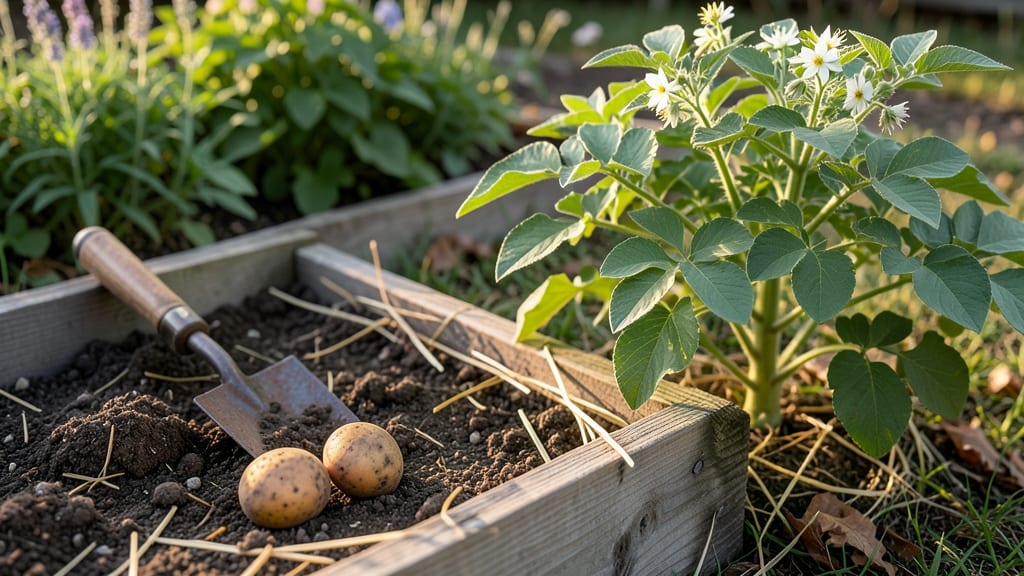
If you’ve ever planted potatoes in Texas only to watch them bolt into bitter, flower-filled failures, you’re not alone. The key to zero-bolt, high-yield 🥔 harvests lies in timing—specifically, knowing exactly when to plant by variety and region.
Texas gardeners face unique challenges: North Texas’ unpredictable freezes, South Texas’ scorching summers, and the ever-present threat of bolting. But here’s the good news: with the right planting window—mid-February to early April for spring or September to October for fall—you can outsmart the climate and grow potatoes that thrive.
I’ll break down the best months for each variety, how to read soil temperature cues, and pro tips to extend your season without pests or heat stress. Whether you’re a first-time grower or a seasoned gardener, these strategies will help you avoid common mistakes and maximize your harvest.
Ready to go from frustrated to flourishing? Let’s dive into the perfect timing for Texas potatoes—so you can enjoy homegrown spuds from April to December.
Texas potato planting calendar by variety: early vs. late season options
Texas’s diverse climate means your potato planting strategy should change dramatically depending on whether you're in North, Central, or South Texas. The wrong timing can lead to bolting (flowering too early) or heat stress—both kill your yield.
Let’s break down the perfect planting windows for Texas’s most popular varieties.
For North Texas (USDA Zones 7b-8a), focus on early spring plantings (February–March) to avoid summer’s brutal heat. In Central Texas (Zone 8b), you can stretch plantings into late March or early April for a fall harvest.
Meanwhile, South Texas (Zones 9a-10a) gardeners thrive with fall plantings (September–October) to escape summer’s intensity.
Here’s the critical rule: Plant seed potatoes 4-6 weeks before your last frost date. In North Texas, that’s mid-February to early April; in South Texas, it’s September to October. Miss this window, and you risk stunted tubers or pest infestations.
Pro Tip: Use chitted potatoes (sprouted seed potatoes) to jumpstart growth in cooler months. Place them in a bright, cool spot (55–65°F) for 4–6 weeks before planting—this gives you a 2–3 week head start on the season.
Now, let’s dive into the best varieties for Texas and their ideal planting windows. Each variety handles heat, humidity, and soil types differently, so choose wisely!
Texas Potato Planting Guide by Variety
| Variety | Best Planting Window (North TX) | Best Planting Window (South TX) | Days to Harvest | Key Notes |
|---|---|---|---|---|
| Yukon Gold | Mid-Feb to early Apr | Late Aug to Oct | 90–110 days | Buttery, heat-tolerant; plant in well-draining soil. |
| Red Pontiac | Late Feb to Mar | Sep to early Oct | 75–90 days | Early-maturing; great for short seasons. |
| Fingerling (e.g., Purple Viking) | Early Mar to Apr | Late Sep to Oct | 80–100 days | Drought-resistant; store well in cool, dark places. |
| Russet | Late Feb to Mar | Sep to early Oct | 100–120 days | Needs longer growing season; avoid clay-heavy soils. |
🌱 Note: Adjust planting dates 1–2 weeks earlier for high-elevation areas (e.g., Hill Country).
If you’re in Central Texas (e.g., Austin, San Antonio), you can double-crop by planting early varieties (Red Pontiac, Fingerlings) in February and late varieties (Yukon Gold, Russet) in September. This gives you two harvests per year—a Texas gardener’s dream!
For South Texas (Houston, Corpus Christi), focus on fall plantings to avoid summer’s 90°F+ heat. Plant September 1–15 for a November–December harvest before the first frost. Use row covers to extend the season if needed.
One critical mistake Texas gardeners make? Planting too late in spring and ending up with small, bitter tubers due to heat stress. If your soil temperature hits 85°F
How to time your Texas potato planting for zero bolting: pro tips
Texas’s long growing season and variable frost dates make potato planting tricky—but with the right timing, you can avoid bitter, bolting tubers and maximize yields. The key? Soil temperature and chitting (pre-sprouting) work together to give your potatoes a head start before the heat sets in.
For spring plantings, aim to get seed potatoes in the ground 4-6 weeks before your last frost date. In North Texas, this means mid-February to early March, while South Texas gardeners can start as early as January.
The goal is to have true leaves emerge before temperatures rise above 75°F, which triggers bolting.
Here’s my pro tip: Chit your potatoes (place them in a sunny window or under grow lights for 2-4 weeks before planting) to jumpstart growth. This ensures your tubers sprout consistent, strong stems that can handle Texas’s unpredictable spring weather.
Skip this step, and you risk uneven emergence or weak plants that struggle in the heat.
⚠️ Texas Bolting Warning
Planting too early in cold soils (below 50°F) stunts growth, while planting too late in hot soils (> 75°F) causes bolting. Use a soil thermometer to check depth—potatoes need 55-65°F soil to thrive.
South Texas gardeners: Avoid planting after April 15 for spring crops, or you’ll face heat stress and poor tuber formation.
If you’re growing fall potatoes, time it so tubers mature before the first frost. In North Texas, plant September 1-15 for a harvest before November 15.
In South Texas, you can push it to October 15, but watch for early frost warnings—Texas’s microclimates can vary wildly even within a county.
Extend your season with row covers or black plastic mulch to warm soil faster in spring or protect young plants from unexpected late frosts. I’ve had success using floating row covers in East Texas to push harvests by 2-3 weeks.
Just remove them when flowers appear to prevent overheating.
Finally, rotate planting dates if you’re growing multiple varieties. Early-season types like Red Pontiac (60 days) can go in February, while late-season Yukon Golds (90 days) need a March start. This staggered approach ensures a continuous harvest and reduces bolting risk across your garden.