
Companion Plants
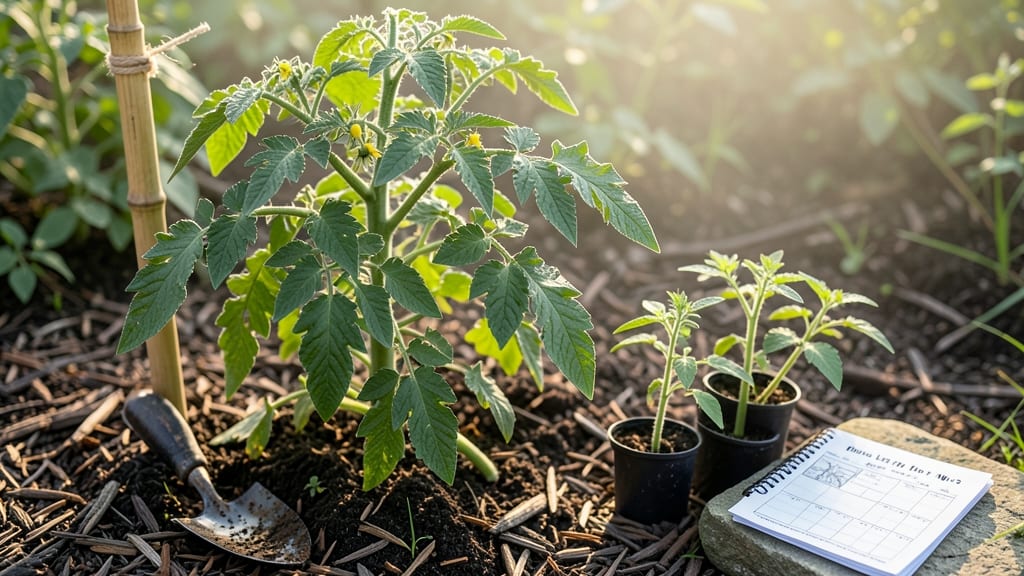
Knowing when to plant tomatoes in Ohio can mean the difference between a bumper crop of juicy 🍅 and a sad, frost-nipped disappointment. Ohio’s spring weather is famously unpredictable, with last frost dates that can vary by weeks depending on whether you’re in chilly Cleveland or warmer Cincinnati.
Most gardeners in USDA Zone 6a wait until after the last frost—typically mid-April to early June—but that’s just the starting point. The real secret lies in soil temperature and microclimates, which can shift planting windows by 2–3 weeks depending on your exact location.
In this guide, I’ll break down the exact timing for transplanting seedlings (not seeds) based on Ohio’s regional variations. You’ll learn how to adjust for late frosts, soil warming tricks, and even backup planting dates if Mother Nature throws you a curveball.
Whether you’re a first-time gardener or a seasoned green thumb, these insights will help you maximize your tomato harvest—because nobody wants to wait until July for their first ripe fruit!
Ohio’s last frost dates by microclimate: planting windows by region
Ohio’s USDA Hardiness Zones 5-7 create dramatic differences in last frost dates—up to 3 weeks between northern and southern regions. For tomatoes, this means planting windows shift from late April in Cincinnati to early June in Cleveland.
Always use local frost charts (like Ohio State Extension’s) to confirm your area’s trends.
Most Ohio gardeners aim to transplant tomato seedlings 2-3 weeks after the last frost date, when soil temperatures hit 60°F+. In high-risk zones (like Youngstown), I recommend waiting until 3 weeks post-frost to account for late cold snaps.
🌱 Ohio Tomato Planting Windows by Region
| Region | Last Frost (Avg) | Planting Window | Soil Temp Goal | Microclimate Notes |
|---|---|---|---|---|
| Southern Ohio (Cincinnati, Dayton) | April 10 | April 20–May 5 | 60°F+ | Urban heat islands warm soil faster |
| Central Ohio (Columbus, Cleveland) | April 20 | May 5–May 15 | 60°F+ | Valley areas (e.g., Zanesville) frost-prone |
| Northeast Ohio (Toledo, Youngstown) | May 5 | May 15–May 25 | 60°F+ | Lake-effect delays frost dates |
| Southeast Ohio (Athens, Marietta) | td style="padding: 8px; border-bottom: 1px solid #2D5A3D;">April 15April 25–May 10 | 60°F+ | Mountain valleys frost later |
For container-grown tomatoes, I plant 1-2 weeks earlier than ground-planted varieties since pots warm faster. Use black plastic mulch to raise soil temps by 5-10°F in cooler zones.
Pro tip: Check Ohio State Extension’s Frost Freeze Forecast (updated weekly) for real-time adjustments. In 2023, late frosts in May delayed planting by 3 weeks in northern Ohio.
If you’re in a high-altitude area (e.g., 700+ ft elevation like in Akron), plant 4-6 weeks later than your USDA zone suggests. Cold air pools in valleys, creating microclimates 5°F colder than surrounding areas.
For second plantings, use fast-maturing varieties (like ‘Early Girl’) and plant June 15–July 1 in southern Ohio. In northern Ohio, July 15 is your cutoff for a meaningful harvest before frost.
Always harden off seedlings for 7-10 days before transplanting—Ohio’s windy springs can shock tender plants. Use row covers for the first 2 weeks after planting to protect against late frosts.
How to adjust tomato planting for Ohio’s unpredictable spring weather
Ohio’s spring weather is famously fickle—one day it’s 70°F and sunny, the next a 28°F frost. If you plant tomatoes too early, you risk frost damage or stunted growth. But waiting too long cuts your harvest window short. The key is balancing soil warmth, frost risk, and your local microclimate. Here’s how to adapt your planting strategy for Ohio’s unpredictable conditions. Your last frost date is just the starting point. Urban areas like Columbus often experience urban heat islands that delay frost, while rural valleys (like those in Appalachian Ohio) can stay colder longer. Even within a city, elevated gardens may warm up faster than ground-level beds. Use these strategies to hedge your bets.- 🌡️ Check soil temperature: Use a soil thermometer—tomatoes need 60°F+ soil to thrive. If it’s below 55°F, delay planting or use black plastic mulch to warm the soil faster.
- ❄️ Monitor frost forecasts: Sign up for NOAA alerts or check the Old Farmer’s Almanac for your local microclimate. If a late frost is predicted within 10 days of planting, wait it out.
- 🌱 Use frost protection: If you’re in a high-risk zone (e.g., northern Ohio), plant heat-loving varieties like ‘Early Girl’ or ‘Stupice’ and cover seedlings with frost cloth or row covers for the first 2 weeks.
💡 Pro Tip: If your spring is unusually cold, don’t despair—you can still grow tomatoes! Try fast-maturing varieties like ‘Tiny Tim’ (55 days) or ‘Mountain Merit’ (65 days), or opt for container gardening to move plants to a sunny patio or garage during cold snaps.
🌱 Remember, Ohio’s growing season is short—every day counts. By combining soil temperature checks, frost monitoring, and protective measures, you can maximize your tomato harvest even when Mother Nature throws curveballs.