
Plants
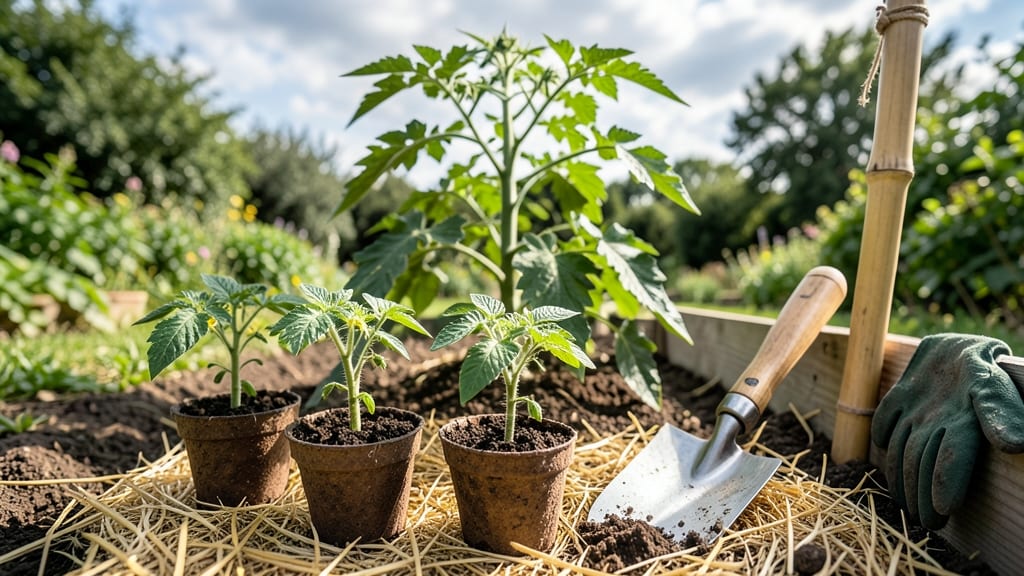
Timing when do you plant tomatoes in Oklahoma isn’t just about waiting for spring—it’s about outsmarting the state’s unpredictable weather. Plant too early, and a late frost will wipe out your seedlings. Wait too long, and you’ll miss the 60-day window for a full harvest before fall’s first chill.
The difference between a bountiful 🍅 harvest and a disappointing season often comes down to knowing exactly when to start seeds indoors or set plants in the ground.
Oklahoma’s USDA zones 6b-7a create unique challenges, from the humid east where summers stretch endlessly to the panhandle’s dry heat that can stress plants. Whether you’re in Oklahoma City, Tulsa, or Lawton, the key is aligning your planting schedule with soil temperatures and microclimates.
I’ll break down the optimal windows—including when to begin seeds indoors for an early jumpstart—and how to adjust for your specific corner of the state.
You’ll also discover how to avoid common pitfalls like bolting (when plants flower too early) or stunted growth from cool nights. The right variety matters too: heat-tolerant types like ‘Heatmaster’ thrive in Oklahoma’s summers, while early maturers like ‘Early Girl’ give you a head start.
With the right timing and a few pro tips, you can stretch your harvest from June all the way through October.
Let’s dive into the exact planting deadlines and strategies tailored to Oklahoma’s climate—so you can enjoy homegrown tomatoes all season long, without the guesswork.
Oklahoma’s 3 planting zones for tomatoes: when to start indoors vs. direct sowing
Oklahoma’s USDA zones 6b-7a create a tricky balance for tomato growers—too early, and a late frost zaps seedlings; too late, and summer’s scorching heat stunts growth. The key?
Adjusting planting times based on your microclimate, whether you’re in the humid eastern forests or the dry panhandle plains. Here’s how to nail your timeline.
Most Oklahoma gardeners split their approach: starting seeds indoors 4-6 weeks before the last frost date, then transplanting after soil warms to 60°F+. But your exact window depends on where you live.
For example, Tulsa’s last frost typically hits around March 15, while Altus in the panhandle might not see frost until March 25—a 10-day difference that matters for your harvest.
Here’s the breakdown for Oklahoma’s three key tomato-growing regions, including indoor start dates, transplant windows, and direct-sowing opportunities for bold gardeners who prefer skipping the seedling stage.
| Region | USDA Zone | Last Frost Date | Indoor Start (Seeds) | Transplant Window | Direct Sow Window |
|---|---|---|---|---|---|
| Eastern OK (Tulsa, Muskogee) | 7a-7b | March 15 | February 15–March 1 | April 15–May 1 | April 20–May 10 |
| Central OK (OKC, Lawton) | 7a-7b | March 20 | February 20–March 5 | April 20–May 5 | April 25–May 15 |
| Panhandle (Altus, Guymon) | 6b-7a | March 25 | February 25–March 10 | April 25–May 10 | May 1–May 20 |
Notice how the panhandle’s later frost pushes everything back by nearly two weeks? That’s why direct sowing is riskier there—you’ll miss the early harvest window if you wait too long.
For central and eastern Oklahoma, where springs are more predictable, you can safely direct-sow as early as late April, but only if your soil stays above 60°F consistently.
Pro tip: Use a soil thermometer to confirm readiness. Cold soil (below 55°F) slows germination and invites damping-off disease. In humid eastern Oklahoma, I’ve seen seedlings rot in 55°F soil even when air temps were perfect. Test for 3 consecutive days above 60°F before planting.
For succession planting (to extend harvests), aim for a second round of transplants in early June—just as the first batch starts fruiting. This works especially well in central Oklahoma, where summer heat arrives later than the panhandle.
Choose heat-tolerant varieties like ‘Heatmaster’ or ‘Solar Fire’ for these late plantings to avoid blossom drop.
One mistake I see often? Gardeners in western Oklahoma rushing to plant early, only to face panhandle heatwaves in May. If your area’s average May high is already 85°F+, wait until June to direct-sow heat-loving varieties.
Shade cloth can help, but it’s better to align with your microclimate’s natural rhythm.
Remember: Oklahoma’s first frost typically hits around November 15, but panhandle areas can see frost as early as October 30. Plan your last succession planting by July 15 to ensure tomatoes mature before cold snaps.
For a foolproof schedule, mark your calendar 60 days before your expected first frost—that’s your final harvest deadline.
Critical timing mistakes that kill Oklahoma tomato yields (and how to avoid them)
Oklahoma’s spring weather is famously fickle—one day it’s 80°F, the next you’re scrambling to cover plants with frost blankets. Timing mistakes like planting too early or ignoring soil temperatures can turn your tomato dreams into a disease-ridden disappointment.
I’ve seen firsthand how a single misstep can mean the difference between a bountiful harvest and a sad, wilted vine.
The biggest mistake? Planting before the last frost.
Even if your local forecast says "no frost," late April surprises happen—especially in USDA Zone 7a areas like Altus or Lawton. Early blight thrives in cool, damp conditions, and your seedlings won’t survive if nighttime temps dip below 50°F. Wait until soil temps hit 60°F—use a soil thermometer to check!
Another common error is skipping succession planting. One planting window won’t cut it in Oklahoma’s 190-day growing season.
If you only plant in early May, you’ll miss out on June and July harvests when heat waves hit. Stagger your plantings every 2-3 weeks for a continuous supply—just make sure your last batch goes in by mid-July to avoid early frost risks.
Here’s the worst offense: ignoring microclimate differences. What works in humid Tulsa (where fungal diseases spread fast) fails in the dry panhandle.
In eastern Oklahoma, plant later to avoid excess moisture, while western growers should start earlier to beat the heat. Adjust your schedule by 1-2 weeks based on your specific county’s frost data.
⚠️ Callout Warning: Oklahoma-Specific Timing Pitfalls
- Planting too early: Seedlings rot in 50°F soil (use row covers if you must start early).
- Ignoring soil temps: Tomatoes need 60°F+ to germinate—cold soil = no sprouts.
- Single planting window: Misses June-July harvests when heat sets in.
- Panhandle heat rush: Plant early May to avoid 100°F+ soil stunting roots.
- Eastern humidity trap: Delay until late April to reduce fungal spores.
Pro Tip: Check OK Mesonet for real-time soil temps—don’t guess!
The final killer? Overlooking heat tolerance. If you’re in Oklahoma City or Norman, heat-loving varieties like ‘Heatmaster’ or ‘Solar Fire’ are non-negotiable after June 1.
Without them, your plants bolt prematurely or develop sun scald. Shade cloth (30-50%) can buy you 2-3 extra weeks of harvest, but don’t wait too long—August plantings rarely mature before frost.
To avoid these mistakes, track your local frost dates (they vary by 1-2 weeks across Oklahoma) and adjust your calendar. Use transplant shock buffers: if you start seeds indoors, harden off for 10-14 days before moving them outside.
And always mulch—it keeps soil temps stable and reduces bolting by 40%.
The bottom line? Oklahoma tomatoes reward precision. Follow these timing rules, and you’ll dodge blight, beat the heat, and harvest until October. Skip them, and you’ll be chasing dreams in next year’s seed catalog—again. 🌱