
Planting
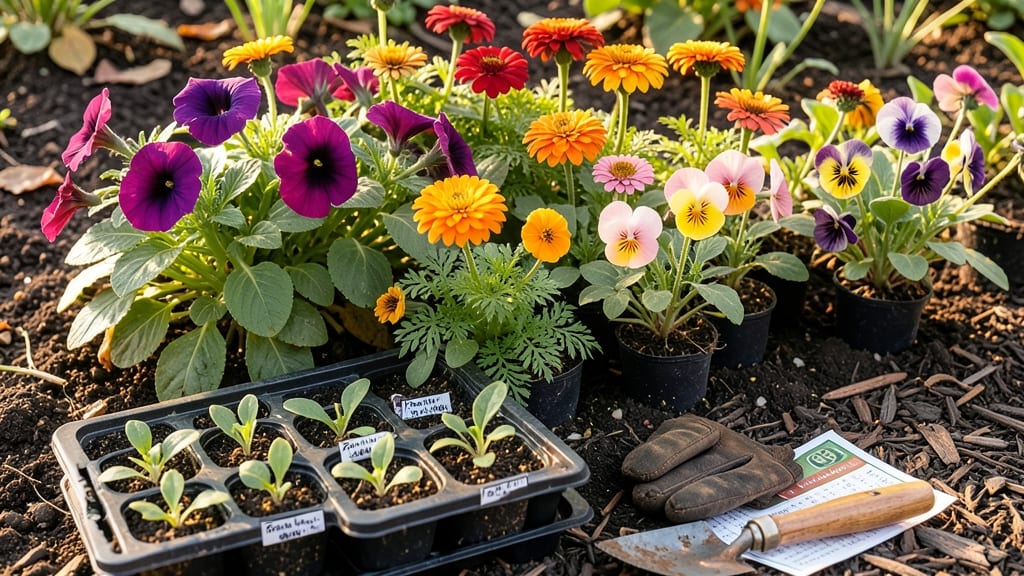
Timing your flowers in Ohio planting window wrong can mean the difference between a showstopping garden and wilted petals before they even bloom.
With Ohio's 6a zone climate, getting those seeds in the ground at just the right moment—after the last frost date but before summer heat sets in—is absolutely critical for vibrant blooms.
I've seen firsthand how a single week too early can turn delicate 🌸 seedlings into frost casualties, while planting too late steals precious summer blooming time. The key is understanding Ohio's unique frost patterns and how they vary between urban and rural areas.
Let me show you exactly when to plant for maximum impact in your garden.
We'll cover both spring and fall planting strategies that work for Ohio gardeners, including which flowers thrive in our 165 frost-free days and how to extend your blooming season. Whether you're planting annuals that need warm soil or hardy perennials that can handle cooler temperatures, this guide has you covered.
From the moment those first spring seedlings peek through the soil to the last fall blooms before frost, I'll walk you through the complete planting timeline.
You'll learn how to read Ohio's microclimates, choose the right varieties for your zone, and avoid common mistakes that kill blooms before they even begin.
Ohio flower planting calendar by hardiness zone (exact months & last frost dates)
Ohio spans USDA hardiness zones 5a through 6b, meaning frost dates vary dramatically from northeast to southwest. In colder zone 5a (northwest Ohio), gardeners often wait until mid-May for warm-season flowers, while zone 6b (southwest Ohio) can plant late April with minimal risk.
These differences explain why your neighbor’s marigolds thrive while yours fail—it’s all about localized frost timing.
To simplify, I’ve created a zone-by-zone planting guide using Ohio’s average last frost dates from the Old Farmer’s Almanac. Remember, these are averages—always monitor your local microclimate (urban areas warm faster than rural farms) and adjust accordingly.
For example, Cleveland (zone 6a) typically sees its last frost around April 22, while Columbus (zone 6a) averages April 15.
🌱 Pro Tip: Use a frost clock (available at garden centers) or sign up for local weather alerts to track real-time conditions. I’ve also included fall planting windows—a smart strategy to beat Ohio’s short growing season!
🌸 Ohio Flower Planting Calendar by Hardiness Zone
| Zone | Last Frost (Avg.) | Cool-Season Flowers (Plant) | Warm-Season Flowers (Plant) | Fall Planting Window |
|---|---|---|---|---|
| 5a (Toledo, Youngstown) | May 10 | March 15–April 15 | May 20–June 1 | September 1–15 |
| 5b (Akron, Mansfield) | April 25 | March 1–April 10 | May 1–May 15 | September 1–30 |
| 6a (Cleveland, Columbus) | April 15 | February 28–April 1 | April 20–May 10 | September 1–October 1 |
| 6b (Cincinnati, Dayton) | April 1 | February 15–March 15 | March 20–April 15 | September 15–October 15 |
🌿 Notes: Cool-season flowers (e.g., pansies, snapdragons) tolerate light frost. Warm-season flowers (e.g., marigolds, zinnias) need soil temps ≥60°F.
Let’s break down the two critical planting categories: cool-season and warm-season flowers. Cool-season flowers (like calendulas and sweet alyssum) thrive in Ohio’s early spring and can even handle light frosts. These are perfect for February–April plantings, especially in zone 6b where winters are milder.
Meanwhile, warm-season flowers (such as petunias and geraniums) demand warmer soil—wait until after your last frost date, and always check soil temperature with a soil thermometer.
For perennials, timing matters too. Plant early spring (March–April) for varieties like coneflowers and black-eyed Susans, but avoid late spring plantings—they struggle to establish roots before summer heat sets in.
I’ve also found that fall-planted perennials (like daylilies) often bloom earlier the following year because they establish roots in cooler weather.
Ohio’s lake-effect zones (near Lake Erie) can delay spring by 1–2 weeks due to cooler air. If you live near Toledo or Sandusky, err on the side of planting later for warm-season flowers. Conversely, inland valleys (
How to extend your Ohio flower season: frost-proofing tips for early & late plantings
Ohio gardeners know the struggle—spring frost can nip delicate blooms before they even open, while late-season heat might cut summer flowers short. But with the right strategies, you can extend your flower season by weeks, even months!
The key is understanding how to protect seedlings and choose heat-tolerant varieties that thrive in Ohio’s short but intense summers.
One of my favorite tricks is using row covers or frost blankets to create a microclimate. These lightweight fabrics trap heat during the day and insulate at night, giving tender plants like petunias and geraniums a fighting chance even when nighttime temps dip below 40°F (4°C). Just
For late-season plantings, focus on heat-loving annuals like zinnias, cosmos, and sunflowers, which can handle Ohio’s humid summers and even bloom well into October if planted in early July. These varieties are also drought-tolerant, making them perfect for Ohio’s occasional dry spells.
🌱
Another game-changer is succession planting. Instead of planting all your annual flowers at once, stagger them every 2-3 weeks from May through July. This ensures you’ll have blooms from early summer through fall frost.
Fast growers like bachelor’s buttons or cosmos are perfect for this strategy—they’ll fill gaps left by earlier bloomers.
Don’t overlook perennials for extending your season. Plants like coneflowers, bee balm, and Russian sage establish deep roots early and often rebloom into October with minimal effort. Pair them with late-season annuals like mums or astors for a nonstop color show.
Finally, mulch generously in late spring to lock in moisture and regulate soil temperature. A 3-inch layer of straw or shredded leaves can make all the difference in Ohio’s unpredictable weather.
It’s a simple trick that keeps roots cool in summer and warm in fall—just what your flowers need to thrive!
☀️