
Flowers
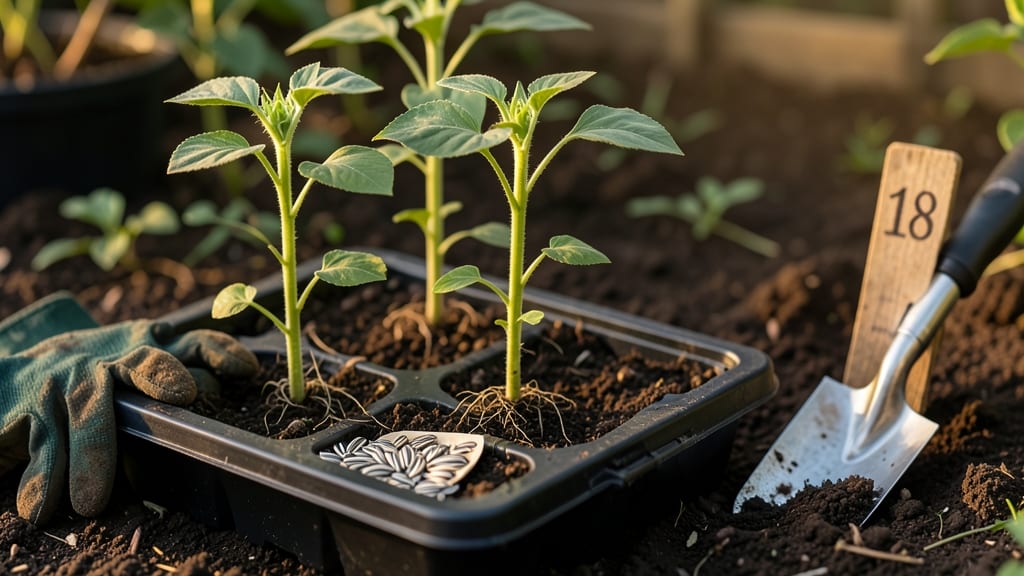
Timing is everything when it comes to growing sunflowers in Florida—plant them too early, and you risk bolting before they reach their towering potential. The perfect window depends on your region, but mastering these frost-free zones means the difference between bustling blooms and bitter disappointment.
Whether you're in North Florida's cooler 8a or the balmy 11 of the Keys, knowing when to sow your 🌻 seeds can transform your garden into a golden paradise.
Sunflowers love Florida's warmth, but they're not built for the scorching summer heat that can trigger premature flowering. The key is planting during those ideal months—February to March for North Florida, or January to April for Central and South—when temperatures are mild enough for steady growth.
Skip the rush, and you'll avoid the heartbreak of watching your sunflowers bolt before they've had a chance to shine.
This isn't just about throwing seeds in the dirt and hoping for the best. I'll show you how to read your local microclimate, prep your soil for Florida's humidity, and even choose the right varieties that won't bolt at the first sign of heat.
By the end, you'll know exactly when to plant for sunflowers that reach 10 feet or taller, not just a few sad inches.
Ready to grow sunflowers that steal the show? Let's dive into the heat-zone timeline that'll have your garden bursting with color from April through September—no bitter surprises included.
Florida heat-zone planting calendar: best months by region (avoiding bolt risk)
Florida’s 11 distinct climate zones create wildly different planting windows for sunflowers. In North Florida (Zones 8a-8b), where frost can linger until mid-January, aim for February-March planting to avoid heat stress. Meanwhile, South Florida (Zones 10b-11) enjoys frost-free growing year-round, making January-April ideal for continuous blooms.
Sunflowers in Florida bolt rapidly when exposed to consistent 80°F+ temperatures for weeks. Planting too early in North Florida risks frost damage, while late spring plantings (after May 15) often trigger bolting before reaching maturity.
The sweet spot is aligning your planting with local heat thresholds and rainfall patterns.
Here’s how to match your sunflower variety to Florida’s microclimates for maximum height and bloom quality:
| Region | USDA Zone | Last Frost Date | Best Planting Window | Heat Risk |
|---|---|---|---|---|
| North Florida | 8a-8b | Mid-January | February-March | High (bolt risk after May) |
| Central Florida | 9a-9b | Mid-December | January-April | Moderate (bolt risk after June) |
| South Florida | 10b-11 | None | January-April (year-round possible) | Low (ideal for heat-tolerant varieties) |
🌱 Pro Tip: Use shade cloth in summer months to delay bolting in North/Central Florida.
For North Florida gardeners, start seeds indoors in January and transplant outdoors after February 15 to give plants a 10-12 week head start before Florida’s summer heat peaks.
In South Florida, you can direct-sow year-round, but spring plantings yield the tallest stalks due to cooler daytime temps.
Sunflowers need 60-80 days to mature, so calculate backward from your first expected 80°F+ stretch.
For example, if your area hits consistent 80°F in early June, plant Mammoth varieties by April 15 to avoid bolting. Dwarf varieties like Teddy Bear tolerate heat better and can be planted up to June 1 in most regions.
Soil temperature is critical—sunflower seeds won’t germinate below 55°F. Use a soil thermometer to confirm 60°F+ before planting.
In North Florida, this often means waiting until late March, while South Florida soil stays warm year-round. Pre-warm cold soil with black plastic mulch 1-2 weeks before planting for faster germination.
Florida’s humidity and summer rains create ideal conditions for fungal diseases like powdery mildew. Space plants 18-24 inches apart for airflow and avoid overhead watering after 10 AM to prevent moisture buildup. Drip irrigation is your best friend during Florida’s wet season (June-September).
If you miss the optimal window, don’t despair—late summer plantings (August-September) can still yield flowers, though they’ll bolt faster. Choose heat-tolerant varieties like ProCut or Autumn Beauty for fall harvests. Just be prepared for shorter stalks and smaller blooms.
For container growing in Florida, plant in large pots (12"+ diameter) and use fast-draining mix to prevent root rot. Move containers to partial shade during peak afternoon sun (12-4 PM) in summer months to slow bolting. Terracotta pots help wick away excess moisture in Florida’s humid climate.
Florida heat-zone planting calendar: best months by region (avoiding bolt risk)
Florida’s 11 climate zones create wildly different conditions for sunflowers—what works in North Florida’s 8a (like Jacksonville) won’t cut it in South Florida’s 11 (Miami).
The key is planting when soil temps hit 60°F+ and nighttime temps stay above 55°F, which keeps your sunflowers growing tall instead of bolting early.
In North Florida, aim for February-March after the last frost (usually January 15), while South Florida gardeners can start as early as January—their frost-free season never really ends!
Central Florida (zones 9a-10a) offers the sweet spot: you can plant from January through April, giving you two growing seasons. But timing matters—planting in late March or April means your sunflowers might bolt by summer’s peak heat.
The goal is to give them 60-90 days of steady growth before Florida’s summer heat triggers flowering. Varieties like Mammoth need the full window, while Teddy Bear (dwarf) can handle shorter seasons.
Here’s your heat-zone breakdown with exact planting windows, frost dates, and ideal germination periods to avoid bitter surprises:
Pro tip: If you’re in North Florida and miss the February window, don’t panic—you can still plant in late April for a fall harvest. Just choose shorter varieties like ProCut or Autumn Beauty, which bolt slower in heat.
For South Florida, a September-October planting avoids summer’s worst heat and gives you blooms for the holidays.
One mistake I see often? Planting too deep. Sunflower seeds need 1 inch of soil coverage max—any deeper, and they’ll rot before sprouting. Florida’s heavy clay soil can trap moisture, so mix in compost or sand to improve drainage.
And if your area gets 90°F+ days early, use shade cloth (30%) during germination to keep seeds from drying out.
Remember, the goal is tall, sturdy stalks, not early bolting. By following your zone’s timeline, you’ll skip the bitter disappointment and end up with sunflowers that reach 10+ feet—taller than your fence, taller than your dreams. 🌻