
Flowers
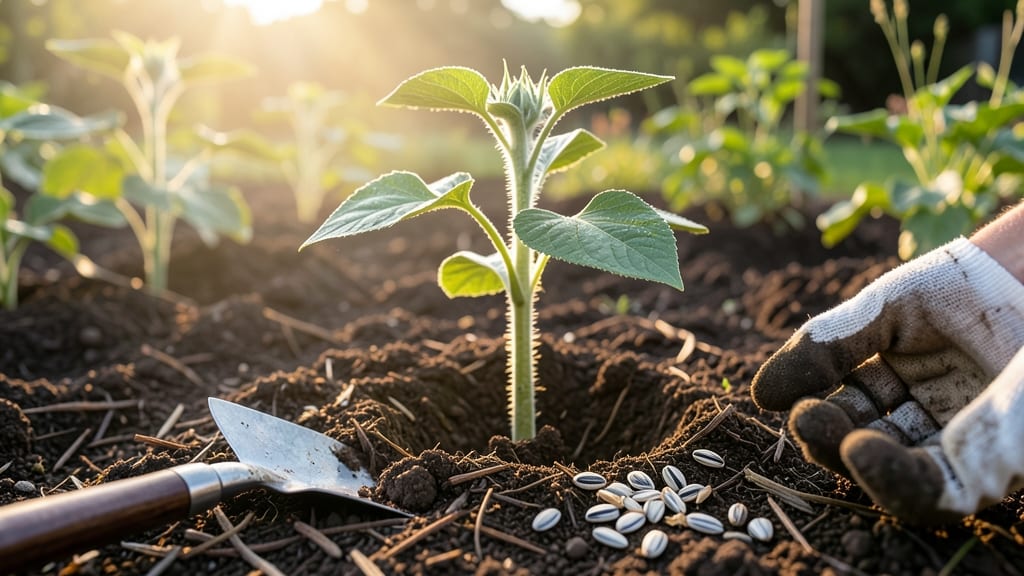
Planting sunflowers in Florida at the wrong time can mean watching your towering 🌻 beauties bolt before they even bloom. The key to success lies in understanding Florida’s two distinct planting windows—spring and fall—where warm temperatures and consistent sunshine create perfect growing conditions.
If you’ve ever wondered why some sunflowers thrive while others struggle, the answer often comes down to timing. Florida’s frost-free zones 8a-11 let you plant twice a year, but each season demands a different approach.
Whether you’re in North or South Florida, getting the timing right means stronger stems, bigger blooms, and fewer pests.
I’ll walk you through the exact months to plant for bold, healthy sunflowers, plus how to prep your soil and choose the right varieties for your region. By the end, you’ll know exactly when to drop those seeds for sunflowers that reach their full, sun-drenched potential.
Ready to grow sunflowers that turn heads? Let’s dive into the best planting schedule for Florida’s climate—so you can enjoy those cheerful faces from May to November.
Florida heat-zone planting timeline for sunflowers: best months by region
Florida’s warm climate and long growing season make it perfect for sunflowers, but timing matters. Unlike northern states, Florida rarely sees frost, so you can plant sunflowers year-round—though spring and late summer yield the best results.
The state’s USDA zones 8a-11 mean your planting window shifts slightly between North Florida (cooler) and South Florida (hotter).
For North Florida (zones 8a-8b), aim for February to April to avoid summer’s brutal heat. In Central Florida (zones 9a-9b), you can start as early as January or push into late summer (August-September).
Meanwhile, South Florida (zones 10a-11) enjoys a longer window, from January through May and August-October, but avoid planting after July to prevent bolting (premature flowering).
Here’s how Florida’s three regions break down for optimal sunflower planting:
| Region | USDA Zone | Best Planting Months | Avoid Planting | Key Consideration |
|---|---|---|---|---|
| North Florida | 8a-8b | February–April, August–September | May–July (extreme heat) | Cooler nights; shorter growing season |
| Central Florida | 9a-9b | January–May, August–October | June–July (peak humidity) | Moderate heat; hurricane season risk |
| South Florida | 10a-11 | January–May, August–October | June–July (bolting risk) | Year-round warmth; high humidity |
Sunflowers thrive when planted in warm soil (at least 55°F). In Florida, this typically means waiting until late winter or early spring for North Florida or year-round in South Florida. For spring planting, start seeds indoors 4-6 weeks before your last frost date (though frost is rare).
In Central and South Florida, you can direct-sow seeds anytime after January, but August-September is ideal for a fall harvest before winter rains set in.
If you’re growing tall varieties like Mammoth or Russian Giant, prioritize spring planting to give them time to mature before summer’s heat stresses them. Dwarf varieties like Teddy Bear or Lemon Queen are more flexible and can handle late summer plantings in cooler microclimates (e.g., near water bodies or shaded areas).
Pro tip: Use a soil thermometer to check temperatures before planting. Sunflowers won’t germinate well in cold soil, even in Florida’s warmest zones. Aim for 60-70°F soil for best results.
For container growing, adjust your timeline slightly. Potted sunflowers warm up faster, so you can plant 1-2 weeks earlier than in-ground. Just ensure your containers have drainage holes and use lightweight potting mix to prevent root rot in Florida’s humidity.
Remember, sunflowers are fast growers—some varieties reach 10 feet in 80 days. Planting too late in the season means they’ll bolt before flowering. In South Florida, avoid planting after July 15th for most varieties, as the heat can trigger premature flowering and reduce seed quality.
🌻
How to adjust sunflower planting for Florida’s microclimates and soil conditions
Florida’s diverse microclimates—from sandy coastal soils to rich inland loam—mean your sunflower timing and prep work should vary by location.
In North Florida (zones 8a-8b), cooler winters and heavier clay soils demand earlier planting and soil amendments, while South Florida (zones 10a-11) allows year-round growth but requires heat-tolerant varieties and extra shade protection during peak summer.
For urban gardeners, container planting is key—choose dwarf varieties like 'Teddy Bear' and place pots near south-facing walls to maximize sunlight. Even in full sun, Florida’s humidity and pests (like aphids and spider mites) can stress sunflowers, so adjust your schedule to avoid peak pest seasons in June-July.
Here’s how to adapt your planting for Florida’s unique conditions:
Florida-Specific Sunflower Planting Adjustments
- North Florida: Plant in February-March; amend clay soil with compost to improve drainage.
- Central Florida: Sow in March-April or August-September; mulch to retain moisture.
- South Florida: Plant August-September only; use shade cloth for young seedlings in summer.
- Urban Areas: Choose dwarf varieties and plant in containers with well-draining mix.
- Post-Hurricane: Wait 2-3 weeks after storms to replant; test soil pH (ideal: 6.0-7.0).
If your soil is sandy (common in coastal areas), mix in 2-3 inches of compost or aged manure before planting to retain moisture and nutrients. For heavy clay soils (North/Central Florida), raise beds or plant in mounded rows to prevent waterlogging, which can rot roots.
For drought-prone areas, opt for varieties like 'ProCut' or 'Autumn Beauty,' which tolerate heat and dry spells better than giant types. Always water deeply in the morning to avoid fungal issues from evening moisture.
In humid South Florida, space plants 18-24 inches apart to improve airflow and reduce mildew risk.
Pro tip: If you’re planting in late summer (August-September), start seeds indoors 4-6 weeks before transplanting to give them a head start against Florida’s intense heat. This is especially critical for tall varieties like 'Mammoth', which need strong roots to support their height.