
Plants
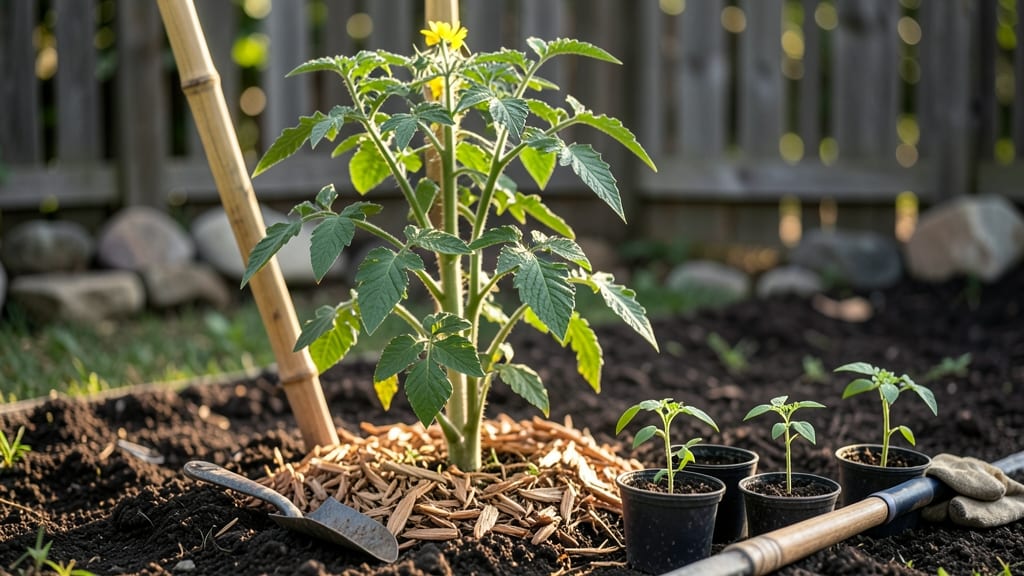
If you're asking "when can you plant tomatoes in Michigan", the answer isn't one-size-fits-all—it depends on your county's last frost date and whether you're starting seeds indoors or transplanting seedlings.
Michigan's 5b-6b zones mean northern gardeners face a shorter window than southern ones, and planting too early can leave your 🍅 vulnerable to frost while waiting too long risks bolting before harvest.
For most Michigan gardeners, the ideal window stretches from mid-April to early June, but this varies dramatically between the Upper Peninsula and Detroit.
The key is waiting until soil temperatures hit at least 60°F and nighttime lows stay above 50°F—cold soil stunts growth, and chilly nights trigger early flowering.
I'll break down exactly when to plant in your specific region, plus how to extend your season with row covers or early starts indoors.
Why does timing matter so much? Tomatoes are finicky about temperature swings—they need warmth to thrive but bolt (send up flower spikes) when stressed by heat or cold. In Michigan's unpredictable climate, getting this wrong can mean the difference between a bumper crop and a sad, early harvest.
Let me show you how to nail the perfect planting window for your county, plus pro tips to keep your plants happy from seedling to harvest.
You'll also discover how to choose varieties that suit Michigan's climate, when to harden off seedlings, and how to prepare your soil for maximum growth. Whether you're a first-time gardener or a seasoned pro, these insights will help you avoid common mistakes and enjoy homegrown tomatoes from July through October.
Let's get your 🍅 off to the best possible start!
Michigan county-specific tomato planting dates by last frost average
Michigan’s diverse climate means tomato planting dates vary dramatically from the Upper Peninsula to southern counties. The key is aligning your schedule with your last average frost date—typically mid-April in southern Michigan but as late as late May in the UP.
Planting too early risks frost damage, while waiting too long can cause bolting (premature flowering) before harvest.
For direct sowing (planting seeds outdoors), wait until soil temperatures hit 60°F+ and nighttime temps stay above 50°F. If transplanting seedlings, harden them off for 7-10 days before moving them out after the last frost.
Michigan’s USDA zones 5b-6b add complexity, so I’ll break it down by region to help you avoid common mistakes.
Here’s how to match your county’s frost date with the best planting window for tomatoes:
If you’re in Zone 5b (northern Michigan), stick to early-maturing varieties (60–70 days) like 'Early Girl' or 'Mountain Merit'. For Zone 6b (southern Michigan), you can push the envelope with longer-season varieties like 'Cherokee Purple' or 'Sungold'—just plant them by May 1 to avoid bolting.
Pro tip: Use a soil thermometer to confirm temps. Tomatoes won’t thrive in cold soil—wait until it’s consistently 60°F+ for at least 1 inch deep. In cooler regions, black plastic mulch can raise soil temps by 5–10°F, giving you an earlier start.
For container gardening, plant 2–3 weeks later than ground planting since pots warm up slower. Place containers in sheltered, sunny spots to protect from wind and temperature swings.
Remember: Michigan’s first frost typically hits by mid-October, so plan to harvest by then—or use row covers to extend the season. If frost threatens early, pick green tomatoes and ripen them indoors with a paper bag and a banana (for ethylene gas).
Now that you’ve got your planting dates locked in, the next step is choosing the right tomato varieties for your region’s climate quirks. Should you go for heat-tolerant types or cool-season stars? Let’s dive into that in the next section.
How to adjust planting dates for early vs. late varieties in Michigan’s climate
Michigan’s unpredictable spring weather makes choosing the right tomato variety just as important as planting timing. Early varieties like ‘Early Girl’ mature in 60-65 days, while heirlooms like ‘Brandywine’ need 80-90 days.
Planting a late variety too early risks bolting, while early varieties give you a head start in cooler regions like the Upper Peninsula.
For northern Michigan (USDA zones 5a-5b), prioritize fast-maturing varieties with determinate growth (bush types) to finish before frost. In southern Michigan (zones 6a-6b), you can afford slower-growing indeterminate varieties that produce all season.
My go-to for northern gardens is ‘Stupice’ (65 days), while southern gardeners often grow ‘Sungold’ (60 days) for sweet cherry tomatoes.
🌱 Soil temperature is your best guide—wait until it hits 60°F (use a soil thermometer!) before planting. In cooler areas, use black plastic mulch to warm soil faster. For late varieties, consider row covers to extend your season by 2-3 weeks after last frost.
Early Varieties (60-70 Days)
- Faster harvest in cooler climates
- Lower risk of bolting
- Great for containers or short seasons
- Smaller fruit size
- Limited production window
- Less flavor development
Late Varieties (80+ Days)
- Larger, flavorful fruit
- Extended harvest season
- Better for canning/jarring
- Higher bolting risk in heat
- Requires longer season
- Needs staking/caging
If you’re in zone 5b (north), start seeds indoors 6-8 weeks before last frost (early March) and transplant after May 15. For zone 6a (south), you can direct-sow in late April or transplant by May 1.
My trick? Use biodegradable pots for seedlings to avoid root shock when transplanting.
For heat-sensitive varieties like ‘Cherokee Purple’, plant in early June to avoid Michigan’s July heat waves, which can cause sunscald. Pair with shade cloth (30%) during peak afternoon sun. Meanwhile, heat-tolerant varieties like ‘Heatmaster’ thrive when planted in late May and handle summer’s intensity better.
Pro tip: Succession planting works wonders in Michigan. Sow ‘Patio’ tomatoes every 2 weeks from May to June for a staggered harvest. And always harden off seedlings for 7-10 days before transplanting—gradually expose them to wind and sun to prevent shock.
With the right variety and timing, you’ll enjoy homegrown tomatoes from July through October, even in Michigan’s short season! 🌿