
Planting
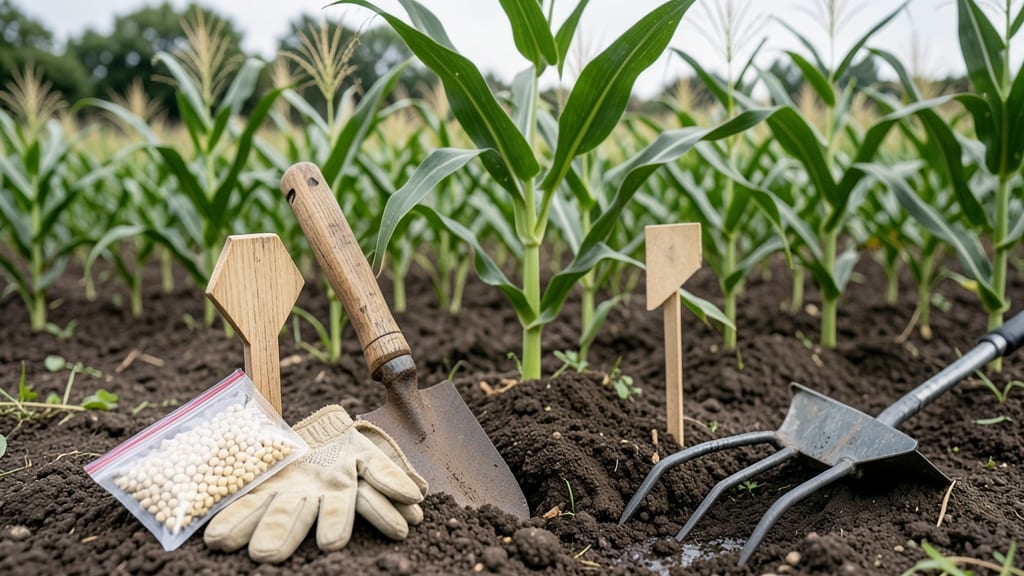
When do farmers plant corn in Ohio? Timing it right could mean the difference between a bumper crop and a total loss to frost. The exact planting window depends on your microclimate zone, but most Ohio farmers target mid-April to early May when soil temperatures hit 50°F consistently.
Why does this matter? Corn is sensitive to cold snaps, and planting too early risks frost damage while waiting too long cuts your growing season short. Ohio's USDA zones 6a-6b create regional variations—Northern Ohio (like Toledo) needs to wait longer than Southern Ohio (near Cincinnati) for stable soil temps.
I'll break down the science behind these dates, including how to check soil temperature and adjust for unpredictable spring weather. You'll also learn how to choose corn varieties that match your planting schedule for maximum yield.
Whether you're a small-scale gardener or a large-scale farmer, getting this timing right is the key to avoiding wasted seeds and ensuring your 🌽 thrives all summer long. Let's dive into the exact strategy that works for Ohio's climate.
Ohio corn planting dates by USDA hardiness zones (5a-6b)
Ohio’s diverse climate—from cold Northern zones (5a) like Cleveland to warmer Southern zones (6b) like Cincinnati—means corn planting dates vary by 10–14 days. The golden rule? Wait until soil temperatures hit 50°F consistently and at least 2 weeks after the last frost.
In Northern Ohio, this often lands in late April to early May, while Southern Ohio farmers can start as early as mid-April.
Frost is the silent killer of young corn seedlings. According to Ohio State University Extension data, April 15 is the average last frost date for most of Ohio, but microclimates matter.
For example, Toledo’s USDA Zone 6a sees frost risks until April 22, while Columbus’s Zone 6b typically warms up by April 10. Planting too early risks seedling death; too late, and you lose harvest window for Ohio’s 90–110 day growing season.
🌽 Ohio Corn Planting Schedule by USDA Zone
| USDA Zone | Last Frost Date (Avg.) | Optimal Planting Window | Soil Temp Threshold | Harvest Window |
|---|---|---|---|---|
| 5a (Toledo, Cleveland) | April 22 | Late April–May 5 | 50°F+ (10°C+) | Late August–October |
| 5b (Findlay, Mansfield) | April 18 | Early April–May 1 | 50°F+ (10°C+) | Early August–October |
| 6a (Lima, Zanesville) | April 15 | Mid-April–April 25 | 50°F+ (10°C+) | Mid-August–October |
| 6b (Columbus, Dayton) | April 10 | Late March–April 15 | 50°F+ (10°C+) | Late July–September |
| 7a (Cincinnati, Lexington) | March 25 | Early March–April 10 | 50°F+ (10°C+) | June–September |
Pro tip: Use a soil thermometer to confirm temperatures. Corn seeds won’t germinate below 50°F, and cold soils slow root development. In Zone 5a, I’ve seen farmers wait until May 1 to avoid black cutworm damage, which thrives in cooler soils.
Meanwhile, Southern Ohio growers often plant early-maturing hybrids (FAO 100) in late March to beat summer heat.
Ohio’s frost-free growing season averages 165 days, but this shrinks to 140 days in Northern zones. To stretch your season, choose short-season varieties like P1148HR (FAO 100) for Zone 5a or Silver Queen (FAO 110) for Zone 6b.
Planting too late? You risk immature ears before frost—aim for tasseling by June 15 to ensure pollination success.
Don’t ignore historical weather patterns. Check the NOAA Climate Data for your county—some years, late April frosts hit as far south as Dayton. I once lost a 2-acre field in 2018 after planting April 10 in Zone 6a, only for a 28°F freeze on April 27.
Since then, I’ve adopted a “wait-and-see” approach, using biodegradable row covers for early plantings.
For home gardeners, extend your planting window by
5 Critical factors that determine your exact corn planting date
Ohio's corn planting schedule isn't just about checking a calendar—it's a science of balancing soil temperature, moisture levels, and weather patterns. The 50°F soil temperature rule is your starting point, but other factors can shift your planting window by weeks.
Let me break down what truly matters for your location.
First, soil moisture plays a surprising role. Corn seeds need consistent moisture to germinate, but soggy soil can suffocate roots. In Northern Ohio, where springs are wetter, you might wait until late April even if temperatures are ideal. Southern Ohio farmers often plant earlier because their soils dry faster.
Next, consider air temperature trends. A cold snap after planting can stunt young corn plants, while warm spells can encourage early growth. I always check the 7-day forecast before planting—if nighttime temps dip below 45°F, delay until stability returns.
Don't overlook corn rootworm pressure, Ohio's #1 corn pest. Early planting increases risk because larvae survive longer in warm soils. If your field has a history of rootworm, consider planting Bt corn varieties or rotating crops with soybeans.
The depth of planting matters too—corn seeds should go 1.5–2 inches deep. Shallow planting risks frost damage, while planting too deep can delay germination. Use a soil thermometer to verify depth matches your local climate zone.
Finally, account for your specific corn variety. Early-maturing hybrids (like P1148HR) can tolerate later planting, while traditional varieties need perfect timing. Match your seed choice to your planting window for maximum success.
Soil Temperature
Wait until soil reaches 50°F at 4-inch depth. Use a soil thermometer—surface temps can be misleading.
Moisture Balance
Aim for moist but not soggy soil. Northern Ohio needs 10-14 days of dry weather after planting to prevent rot.
Weather Forecast
Check for stable nighttime temps above 45°F for 5+ days before planting.
Pest Pressure
High rootworm risk? Plant Bt corn or delay until after May 10 in Northern Ohio.
Variety Maturity
Early hybrids (FAO 100) can plant 2 weeks later than traditional varieties.
Pro tip: Combine these factors with Ohio State University's Frost Free Date Calculator for your specific county. For example, Toledo's average last frost is April 28, while Cincinnati's is May 5—this 7-day difference matters for planting timing.
Remember, there's no perfect date—just the best possible window for your microclimate. Adjust based on these five factors, and you'll give your corn the best shot at thriving all summer long. 🌽