
Plants
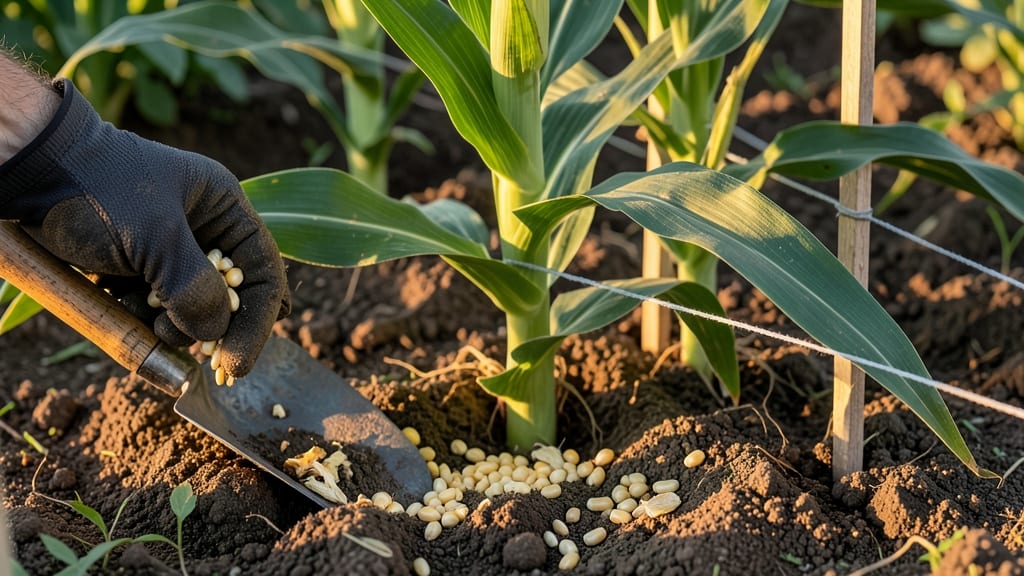
Planting corn in Ohio isn't just about grabbing seeds and sticking them in the ground—it's about timing everything perfectly to beat frost, soil temperatures, and Ohio's famously unpredictable spring weather.
The right window between mid-April and early May can mean the difference between a bumper crop and wasted effort, especially in USDA Zone 6a where late frosts still lurk.
I've learned the hard way that rushing too early (when soil is still chilly) or waiting too long (when summer heat arrives) can leave your 🌽 corn struggling. The key is planting when soil reaches at least 60°F, giving those tender seedlings the warmth they need to sprout strong.
But how do you know when that moment arrives in your corner of Ohio?
What you're about to discover is a zone-specific planting schedule that accounts for Ohio's regional differences—whether you're in northern Ohio where frosts linger longer or southern Ohio where warm spells arrive earlier.
We'll cover exactly when to put those seeds in the ground for maximum yield, plus how to adjust if Mother Nature throws you a curveball with an early or late spring.
No more guessing games. By the end, you'll know the precise dates to plant corn in Ohio, how to prepare your soil, and when to watch for those first signs of life above ground. Let's get your garden ready for a harvest that'll make your neighbors green with envy.
Ohio corn planting dates by hardiness zone: exact timing for peak growth
Ohio spans USDA hardiness zones 5–8a, creating distinct planting windows for corn. In northern Ohio (zones 5–6a), where frosts linger longer, aim for mid-April to early May—waiting until soil warms to 60°F (15°C) is critical.
Southern Ohio gardeners (zones 7–8a) can plant as early as late March to mid-April, but always confirm your last frost date using local weather sources.
Corn is a warm-season crop that won’t tolerate frost, so timing is everything. Planting too early risks seed rot or stunted growth, while waiting too long may shorten the growing season and reduce yields.
Ohio’s average frost-free date ranges from April 15 in the north to March 20 in the south, but microclimates can shift this by weeks.
🌽
📋 Ohio Corn Planting Schedule by Zone
| Zone | Ideal Planting Window | Soil Temp Requirement | Last Frost Date | Harvest Window |
|---|---|---|---|---|
| 5 (Northern Ohio) | Mid-April to early May | 60°F (15°C) minimum | April 15–May 1 | Late July–September |
| 6a (Northeast/Central) | Late April to mid-May | 60°F (15°C) minimum | April 1–April 15 | Early July–September |
| 7 (Southwest/Central) | Late March to early April | 55°F (13°C) minimum | March 15–March 31 | June–August |
| 8a (Southern Ohio) | Early March to late March | 55°F (13°C) minimum | March 1–March 15 | Late May–August |
💡 Pro Tip: Use a soil thermometer to confirm warmth—corn seeds need consistent 60°F+ for germination.
For early varieties (like 'Early Sunglow'), you can push planting to late April in northern zones, while late varieties (such as 'Golden Bantam') benefit from early April starts in southern Ohio. Always calculate 90–120 days until your average first frost to ensure mature ears before cold snaps.
Ohio’s river valleys (e.g., Maumee or Scioto) often warm faster than upland areas, allowing 1–2 weeks earlier planting. Conversely, high-elevation spots near Appalachian foothills may need to wait until mid-May. Use a local weather app to track soil temperatures and adjust accordingly.
Direct sowing is always recommended for corn—transplants struggle with root trauma. Plant seeds 1 inch deep and 4–6 inches apart in rows 24–36 inches apart. Space succession plantings 10–14 days apart to extend your harvest window, especially in shorter-season zones.
🌡️
Watch for unpredictable late frosts, which can devastate young corn. If frost threatens after planting, cover seedlings with row covers or frost cloth until temperatures stabilize. In zone 5, consider starting seeds indoors in biodegradable pots 2 weeks before outdoor planting to give them a head start.
Ohio’s humid summers mean corn thrives with consistent moisture, but avoid overwatering once tassels appear—this triggers ear rot. Mulch with straw or grass clippings to retain soil moisture and suppress weeds, which compete for nutrients.
🌿
How to adjust corn planting dates for Ohio’s microclimates and soil conditions
Ohio’s diverse geography—from the Lake Erie shoreline to the Appalachian foothills—means planting dates can vary by weeks even within the same county. Urban gardens in Columbus may have earlier frost-free dates than rural areas in Northeast Ohio.
To fine-tune your schedule, start by identifying your microclimate and testing your soil temperature.
Use a soil thermometer to confirm when temperatures reach 60°F (15°C) at a 4-inch depth. This is your green light for planting, regardless of calendar dates.
In river valleys like the Maumee Valley, warm air pockets can create 5–7-day advances over surrounding areas, while high-elevation spots near Cleveland may need 2 weeks later.
🌱
🌡️ Soil temperature matters more than frost dates—corn seeds won’t germinate below 50°F (10°C), but 60°F (15°C) is ideal. Planting too early in cold, wet soils causes seed rot and uneven sprouting. In Southern Ohio (zones 7–8), this could be late March, while Northern Ohio (zones 5–6) may wait until mid-May.
🌿 Urban gardens often warm faster due to concrete heat absorption. Test your soil in multiple spots—shady areas may stay 10°F cooler than sunny patches. If your area has late spring frosts (like Toledo), opt for early-maturing varieties (e.g., 'Ambrosia' or 'Silver Queen') to hedge your bets.
For container gardening in Ohio, use black pots to absorb heat and plant 1–2 weeks earlier than ground planting. Place containers near south-facing walls or under cloche covers to extend the season.
If you’re in a frost-prone zone (like Youngstown), consider staggered planting: sow half your seeds at the ideal time, then another half 10 days later for a extended harvest.
Adjust for soil type too—clay soils (common in Northeast Ohio) warm slower than sandy loams (found in West Ohio). Amend your soil with compost to improve drainage and warmth retention.
If your area has poor drainage, plant on mounds to prevent root rot during Ohio’s unpredictable spring rains.
Track your local frost-free date using the NOAA Climate Data tool, but don’t rely on it alone. Last frost can vary by 10 days between Cincinnati and Akron. For southern Ohio, aim for April 15–May 1; for northern Ohio, wait until May 15–June 1.
If you’re unsure, use biodegradable seed starters to get a 2-week head start indoors under grow lights.
Finally, choose varieties suited to your region. Short-season varieties (like 'Early Sunglow') thrive in Northern Ohio, while sweet corn hybrids (like 'Peaches and Cream') perform well in Southern Ohio’s longer summers.
Always check the days to maturity on seed packets—subtract 10 days for Northern Ohio and add 10 days for Southern Ohio to estimate your harvest window.