
Companion Plants
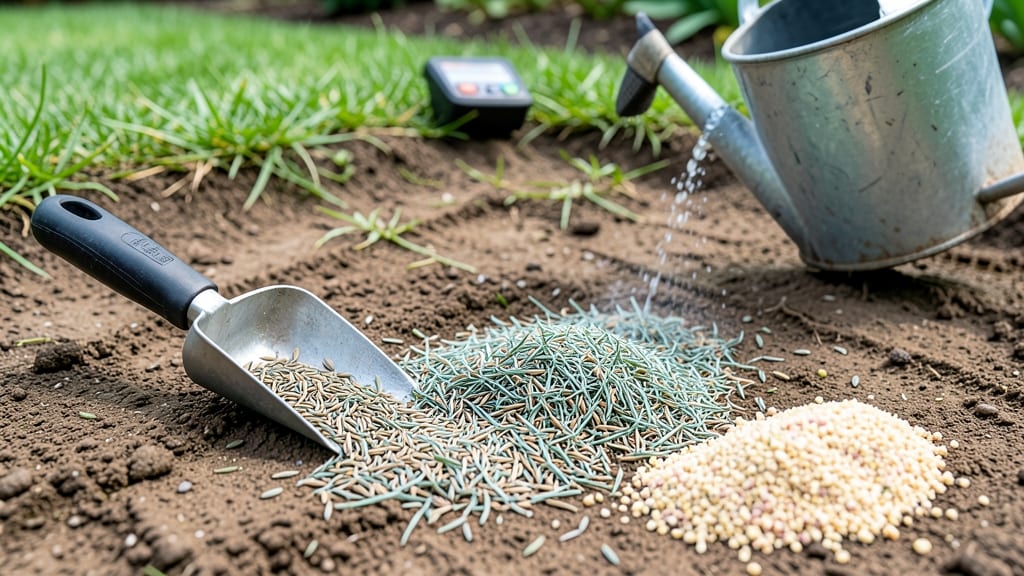
Planting your grass seed in the spring at the wrong time can leave you staring at a patchy, uneven lawn instead of the vibrant green carpet you dream of.
Timing isn't just about the calendar—it's about soil temperatures, regional climates, and even avoiding those sneaky late frosts that can sabotage your hard work.
The key to success lies in understanding your local growing conditions. In Zone 6a, like many areas, early spring (think March or early April) is ideal when soil warms to 50-65°F.
But here's the catch: planting too late can mean battling weeds or dealing with soil that's already too warm for optimal germination.
I've learned the hard way that rushing the process leads to thin spots and wasted seed. The good news? With the right preparation—like testing your soil and creating the perfect seedbed—you can set your lawn up for thick, healthy growth that lasts all season.
Let me walk you through exactly when to plant, how to prep your soil, and what to watch for so you can skip the guesswork and get a lawn that makes your neighbors jealous.
Best spring soil temperatures for planting grass seed by region
Getting your grass seed timing right in spring depends on two critical factors: soil temperature and your climate zone. Cool-season grasses like fescue and ryegrass thrive when soil temps hover between 50–65°F, while warm-season types such as Bermuda or Zoysia need 65–75°F.
Planting too early or late can lead to poor germination or weed competition.
Your USDA hardiness zone dictates your ideal planting window. Northern regions (Zones 3–5) should aim for late March to early May, while Southern zones (6–10) can plant as early as February or as late as June.
Transitional zones (like Zone 6) need careful monitoring of soil warmth to avoid frost damage.
To test your soil temperature, use a soil thermometer buried 2–3 inches deep. If it reads below 50°F for cool-season grasses or below 65°F for warm-season types, wait 1–2 weeks. Morning is the best time to check—soil cools overnight and warms by midday.
Here’s how regional timing breaks down for optimal spring planting:
| Region | USDA Zones | Ideal Soil Temp (°F) | Best Planting Window | Grass Types |
|---|---|---|---|---|
| Northern | 3–5 | 50–65°F | Late March–Early May | Kentucky Bluegrass, Fescue |
| Transitional | 6–7 | 50–65°F (cool) or 65–75°F (warm) | Early April–Mid May | Ryegrass, Tall Fescue |
| Southern | 8–10 | 65–75°F | February–June | Bermuda, Zoysia, Centipede |
If you’re in a transitional zone (like Zone 6), pay extra attention to frost dates. Plant cool-season grass 4–6 weeks before your last expected frost, but avoid planting when nighttime temps dip below 40°F. For warm-season grasses, wait until soil stays consistently above 65°F for 5–7 days.
Timing isn’t just about the calendar—it’s about weather patterns. Check your local National Weather Service for 10-day forecasts and avoid planting before a predicted cold snap. Even if soil temps are ideal, a sudden freeze can kill young seedlings.
For northern climates, early spring planting (March–April) gives grass a head start before summer heat. In southern regions, planting in late spring (May–June) avoids winter dormancy issues. Always adjust for microclimates—shady spots may stay cooler longer, delaying germination.
Pro tip: Use a seed germination calculator (available online) to input your zip code and get a personalized planting window. These tools factor in local frost data, rainfall trends, and historical soil temps for accuracy.
Once you’ve locked in your planting date, focus on soil prep to maximize germination. Loosen compacted soil, remove debris, and level the seedbed—these steps create the perfect environment for seeds to establish roots quickly.
🌱
How to prepare your lawn for spring grass seed planting
Preparing your lawn properly before planting grass seed in spring is just as critical as choosing the right timing. Skipping this step can lead to poor germination, weed competition, and uneven growth. Start by clearing away all debris—leaves, rocks, and dead grass—to give seeds direct contact with the soil.
Next, test your soil’s pH level using a home kit or send a sample to your local extension office. Grass thrives in a pH range of 6.0 to 7.0.
If your soil is too acidic or alkaline, amend it with lime (to raise pH) or sulfur (to lower pH) at least 2 weeks before planting.
One of the most overlooked steps is aeration. Compacted soil blocks roots from penetrating deeply, so rent a core aerator or hire a service to create small holes in your lawn. This allows seeds to settle into the soil and encourages strong root development.
Weed control is another non-negotiable step. Use a pre-emergent herbicide labeled for new grass seed or manually pull weeds. If you choose a herbicide, apply it 2 weeks before planting to avoid harming your grass seedlings. For organic options, try a vinegar-based spray or hand-weeding.
Finally, create a fine, level seedbed by raking the soil lightly. This helps seeds make good contact with the earth and ensures even distribution. Avoid over-raking, as it can bury seeds too deeply, preventing them from sprouting.
⚠️ Callout Warning: Common Mistakes to Avoid
❌ Planting on uneven ground – Seeds won’t germinate evenly, leading to patchy lawns. Level the soil first.
❌ Skipping soil testing – pH imbalances stunt growth. Test and amend soil before planting.
❌ Over-fertilizing before planting – Too much fertilizer burns seeds. Wait until after germination.
❌ Planting when soil is too wet – Seeds can rot. Aim for moist but not soggy conditions.
After preparing your lawn, water deeply the night before planting to settle the soil and create a moist environment for seeds. This step is crucial for ensuring your grass seed gets off to a strong start and avoids drying out during germination.
With your soil prepped and conditions ideal, you’re ready to sow your grass seed with confidence. The key is patience—consistent watering and proper care will reward you with a vibrant, healthy lawn in just a few weeks. 🌱