
Companion Plants
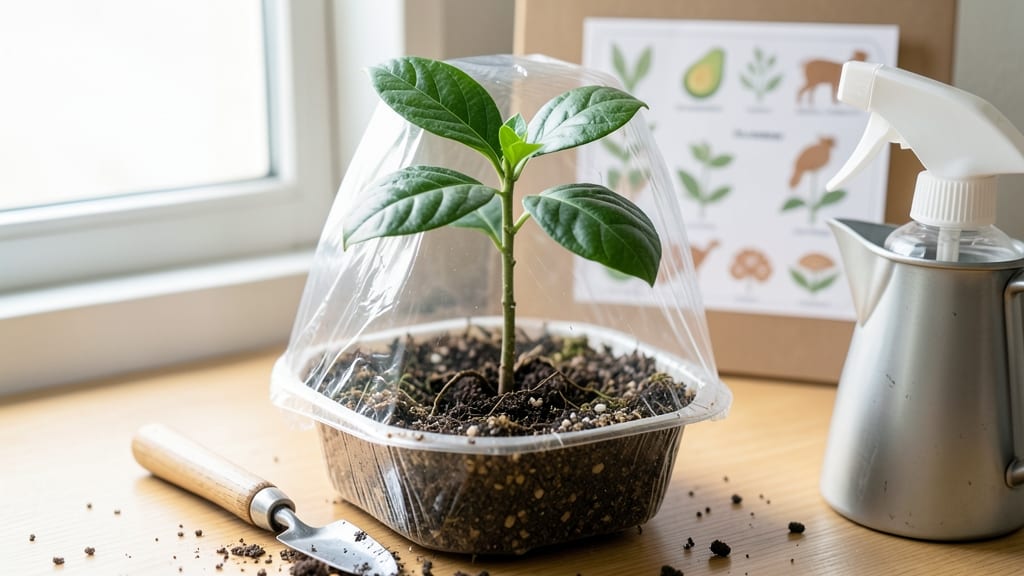
Planting your avocado seed in dirt at the wrong time can turn your 🥑 dream into a soggy mess—no matter how patiently you’ve nurtured it in water.
The key isn’t just waiting for roots to appear; it’s knowing when the soil is warm enough to support them without risking rot or stunted growth.
Most gardeners make the mistake of rushing this step, especially in cooler climates like USDA Zone 6a, where waiting until after the last frost (around April 15) is critical.
But timing isn’t just about the calendar—soil temperature plays the biggest role, and 65°F–80°F is the sweet spot for avocado seeds to thrive in dirt.
In this guide, I’ll break down the exact soil warmth triggers, regional planting windows, and 5 foolproof signs your seedling is ready to graduate from water to soil.
Whether you’re in a warm climate or a chilly zone, you’ll learn how to avoid common pitfalls that kill young avocado trees before they even get started.
Ready to give your 🥑 seed the best shot at survival? Let’s dive into the science—and simple steps—so you can plant with confidence, not guesswork.
Optimal soil temperature ranges for avocado seed planting
Avocado seeds thrive when planted in soil that’s warm enough to support root growth but not so hot it causes stress. The ideal soil temperature range for planting is between 65°F and 80°F. Below 60°F, roots grow sluggishly, and above 85°F, seeds risk overheating.
I’ve learned this the hard way—planting too early in cool climates leads to rot, while waiting too long in hot zones can stunt growth.
Your seed’s readiness isn’t just about calendar dates; it’s about soil warmth. Use a soil thermometer to check temperatures 6 inches deep, where roots will establish. Most garden centers sell these for under $10.
For example, in USDA Zone 8, I plant outdoors in early April when soil hits 70°F, but in Zone 5, I wait until late May or June.
Regional planting windows vary widely. In frost-free zones (Zones 9–11), you can plant year-round, but aim for spring or fall to avoid summer’s extreme heat. In colder zones (Zones 6–8), align planting with your last frost date—typically 2–3 weeks after the frost risk has passed.
My avocado seedling in Zone 7 thrived when planted in late April, just as soil warmed to 68°F.
| Climate Zone | Ideal Soil Temp | Planting Window | Key Tip |
|---|---|---|---|
| Zones 9–11 (Frost-Free) | 65°F–80°F | Year-round (avoid summer heatwaves) | Use shade cloth if temps exceed 85°F |
| Zones 6–8 (Temperate) | 70°F–75°F | Late April–June (after last frost) | Hardening off seedlings for 2 weeks first |
| Zones 3–5 (Cold) | 75°F+ (wait for summer) | June–July (or start indoors) | Plant in containers for winter protection |
If your soil is too cold, don’t rush—wait for warmth. I once planted an avocado seed in May in Zone 6 when soil was only 62°F, and the seed rotted within weeks.
Now, I test soil temps daily using a digital thermometer and adjust my schedule. For container-grown seedlings, place pots in a sunny, sheltered spot 1–2 weeks before transplanting to acclimate them.
Another trick I use is the "finger test": Stick your hand 6 inches into the soil. If it feels warm like a cozy bath (not cold or scorching), it’s ready. Pair this with checking for 2–3 inches of roots on your seedling—this combo signals it’s time to plant.
In my experience, seedlings with shorter roots (under 1 inch) struggle in soil, even if temps are perfect.
For container planting, warm the soil mix first by placing the pot in a sunny window or under a grow light for 24 hours before transplanting. I’ve had success using a 50/50 mix of potting soil and perlite to improve drainage and warmth retention.
Avoid compacted garden soil, which stays cold longer and risks suffocating young roots.
Timing also depends on your seedling’s growth stage. If it’s been in water for 4–6 weeks with healthy roots, it’s likely ready. But if it’s still tiny with sparse roots, hold off until soil warms further.
My fastest-growing seedlings hit the dirt with 3-inch roots and 6–8 leaves—this size handles transplant shock better.
One last pro tip: Plant in the late afternoon to give roots time to settle before evening. I’ve noticed seedlings planted at noon often wilt from afternoon heat stress.
Water deeply after planting, then let the top inch of soil dry between waterings. Overwatering now can drown roots that aren’t yet established.
Remember, avocado seeds are tropical plants at heart. They crave warmth and consistency. By aligning your planting with soil temperature and seasonal cues, you’ll give your seedling the best shot at thriving.
Patience here pays off—my first avocado tree now stands 8 feet tall because I waited for the perfect moment to plant it.
Optimal soil temperature ranges for avocado seed planting
Avocado seeds thrive when transplanted into soil at the right temperature—too cold, and roots rot; too hot, and they stress out. The ideal soil temperature range for planting is between 65°F and 80°F.
This warmth signals your seedling that it’s time to grow roots aggressively in dirt instead of just floating in water.
Most regions hit this sweet spot in late spring to early summer, but timing depends on your USDA hardiness zone. In warmer zones (8–11), you can plant as early as February or March.
Cooler zones (6–7) should wait until after the last frost date, typically May or June. Always check your local frost calendar to avoid frost damage.
| Zone Range | Best Planting Month | Soil Temp Threshold | Key Consideration |
|---|---|---|---|
| Zones 8–11 (Warm) | February–April | 65°F–80°F | Year-round growth possible; monitor for heat stress. |
| Zones 6–7 (Temperate) | May–June | 70°F–78°F | Wait until soil warms after last frost; use row covers if needed. |
| Zones 4–5 (Cool) | June–July | 75°F+ | Start seedlings indoors; transplant only after soil is consistently warm. |
To test your soil temperature, use a soil thermometer (available at garden centers for under $10). Insert it 2–3 inches deep in the ground where you plan to plant.
If the reading is below 65°F, wait a few days or use a black plastic mulch to warm the soil faster. Avoid planting in cold, wet soil, which suffocates roots and invites fungal diseases.
Once your soil hits the ideal range, choose a well-draining spot with 6+ hours of sunlight daily. Avocado trees hate soggy feet, so amend heavy clay soil with compost or perlite to improve aeration. A slightly acidic to neutral pH (6.0–7.0) is perfect for root development.
If you’re in doubt about your local climate, observe nearby plants. When tomato plants or peppers are thriving outdoors, your avocado seedling is likely ready too. These heat-loving plants share similar soil temperature preferences. Plant on a cloudy day to reduce transplant shock from direct sun.
Remember: Patience is key. Rushing the process by planting too early can kill your seedling before it even gets a chance to grow. With the right soil warmth and care, your avocado will establish strong roots and reward you with lush, tropical foliage in no time. 🌱💧☀️