
Container Gardens
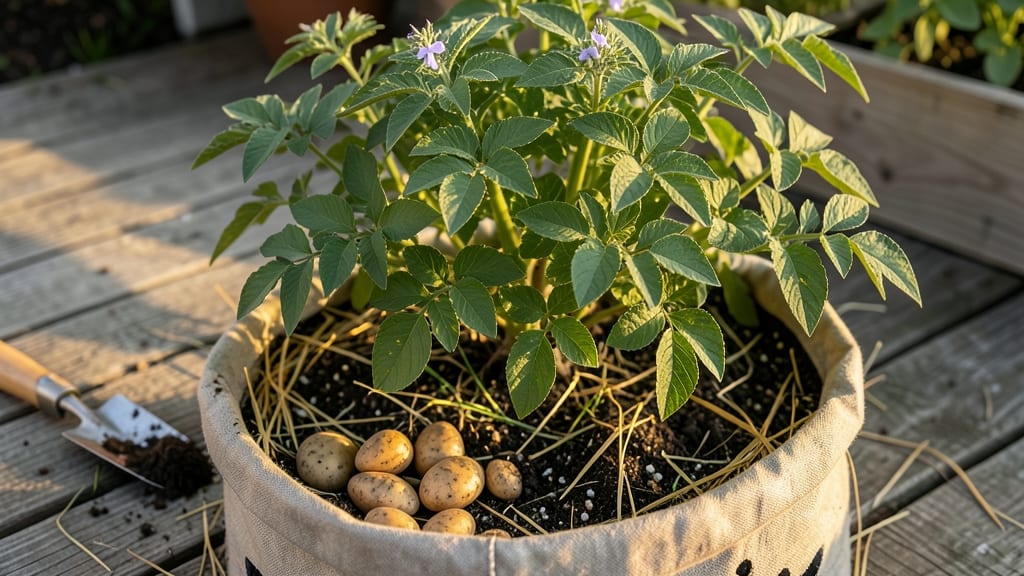
If you're wondering "when do I plant potatoes in containers", timing is everything—get it right, and you’ll enjoy a thriving 🥔 harvest; get it wrong, and you might end up with stunted tubers or wasted effort.
Most gardeners plant their potatoes in spring, but the exact moment depends on your climate. You’ll want to wait until the soil warms to 50-60°F and after the last frost has passed, ensuring your container-grown potatoes have the best start possible.
Whether you’re in a chilly Zone 5 or a mild Zone 10**, the right timing makes all the difference. I’ll walk you through the ideal planting schedule, container prep, and how to adjust for your specific growing conditions.
Ready to turn your balcony or patio into a potato patch? Let’s dive into the perfect planting window for your containers—no guesswork, just results.
Ideal soil temperature & frost-free days for container-grown potatoes
Potatoes thrive when planted in warm soil (50-60°F), but containers heat up faster than ground soil, so timing is critical. The key factors are soil temperature, frost-free days, and your local climate zone.
In most regions, aim for 2-3 weeks after your last frost date—this gives your tubers time to establish roots before summer heat arrives.
Containers also cool down faster at night, so if you’re in a Zone 5-7, wait until nighttime temps stay above 40°F consistently.
For warmer zones like Zone 8-10, you can plant as early as February-March for a fall harvest, or even late summer for a winter crop in mild areas.
Cold soil slows germination, leading to weak, leggy plants that produce fewer tubers. Use a soil thermometer to check—if it’s below 50°F, wait a few more days. Pro tip: Black containers absorb heat faster than white or silver ones, so they’re ideal for cooler climates.
🌱 Container Potato Planting Guide by Climate
| Climate Zone | Ideal Planting Window | Soil Temp Threshold | Frost-Free Days Needed | Container Depth |
|---|---|---|---|---|
| Zones 3-5 | Late April - Early May | 50-55°F | 100+ days | 12-18" |
| Zones 6-7 | Mid-March - Mid-April | 55-60°F | 90-100 days | 12-18" |
| Zones 8-10 | Feb-March (spring) or Aug-Sept (fall) | 60-65°F | 75-90 days | 10-14" |
💡 Note: Adjust for early/late varieties—Yukon Gold (90 days) needs more frost-free days than Red Pontiac (70 days).
Containers also dry out faster than ground soil, so ensure your pots have drainage holes and use a lightweight potting mix (avoid garden soil—it compacts). If you’re in a dry climate, consider self-watering containers to maintain moisture without overwatering.
For northern gardeners, use row covers or move containers to a sheltered spot if nighttime temps dip below 45°F after planting. This protects young plants from blackheart disease, a common issue when potatoes struggle in cold soil.
If you’re unsure about your last frost date, check your local USDA Plant Hardiness Zone and add 2-3 weeks to that date for container planting. For example, if your last frost is May 10, aim for May 25-30 to give your potatoes time to establish before summer heat.
One common mistake is planting too early just because the air feels warm. Soil temperature matters more than air temperature—test it with a thermometer or wait until you can stick your hand 6 inches deep without feeling cold.
For extended-season growers, try successive planting: plant a second batch 4-6 weeks later for a staggered harvest. This works best in Zones 5-9 where summers are long enough to support two crops.
Finally, if you’re in a tropical or subtropical zone, potatoes can be planted year-round, but avoid peak humidity (June-September in many regions) to prevent blight. Instead, opt for dry-season planting (November-March).
Step-by-step container planting timeline by climate Zone
Now that you know the ideal soil temperature and frost-free window, let’s break down a step-by-step planting timeline tailored to your USDA climate zone. Containers offer flexibility, but timing still depends on your region’s last frost date and growing season length.
Below, I’ve mapped out the perfect schedule for Zones 3-10, including container prep and variety selection.
For Zones 3-5, where winters are harsh, focus on early-maturing varieties like Red Norland (70 days) or Kennebec (85 days). Plant your seed potatoes in late April to early May, once soil hits 50°F.
Use 12-18” deep containers to accommodate tuber growth and add mulch to insulate roots from temperature swings.
🌱 Container Potato Planting Timeline by Zone
- 📅 Zones 3-5: Late April - Early May (soil 50-55°F). Plant early varieties (70-85 days). Use row covers for frost protection.
- 📅 Zones 6-7: Mid-March - Mid-April (soil 55-60°F). Opt for medium varieties (85-90 days) like Yukon Gold. Add compost to retain moisture.
- 📅 Zones 8-10: February-March (spring) or August-September (fall) (soil 60-65°F). Choose fast-maturing varieties (60-75 days) for fall harvests.
- 💡 All Zones: Prep containers 1-2 weeks early by filling with lightweight potting mix and adding balanced fertilizer (5-10-10).
- 🌡️ Pro Tip: Use a soil thermometer to confirm readiness—wait until temps stay above 50°F for 3+ days.
💧 Watering Note: Keep soil consistently moist (not soggy) for 4-6 weeks after planting to encourage tuber formation.
If you’re in a warmer zone (8-10), you can even try a fall harvest by planting in late summer. Choose fast-maturing varieties like Red LaSoda (60 days) and use shallow containers (10-14”) to save space.
Just ensure your containers stay dry during monsoon season to avoid disease risk.
For northern gardeners (Zones 3-5), extend your season by using black containers (they warm up faster) or placing pots on brick or gravel to insulate from cold ground.
If a late frost hits, cover plants with frost cloth until temps rise above 32°F. This protects young sprouts without smothering them.
One of my favorite tricks for small-space growers is successive planting. Plant a second batch 4-6 weeks after the first to stagger your harvest. For example, in Zone 6, plant your first batch in mid-April and the second in late May.
This ensures a steady supply of fresh potatoes all summer long.
Finally, if you’re in a tropical zone (10+), avoid planting during peak humidity (June-September) to prevent late blight. Instead, opt for dry-season planting (November-March) and use well-draining containers to prevent waterlogging. Shade cloth can also help protect plants from intense midday sun.