
Companion Plants
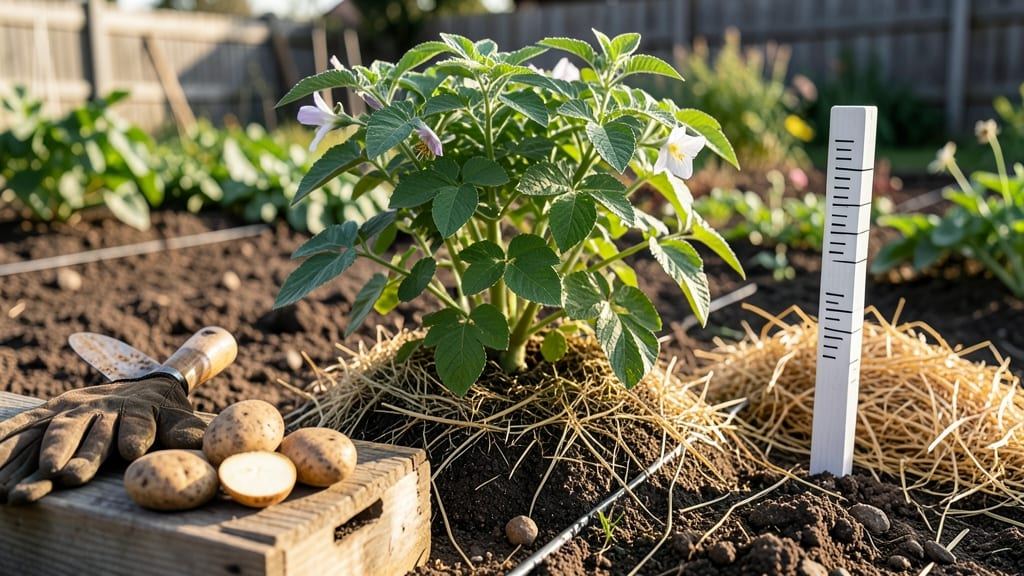
Knowing when to plant potatoes in Zone 7 can mean the difference between a bumper crop of crisp, golden spuds and a sad harvest of tiny, bitter tubers. In my garden, timing is everything—especially for 🥔 potatoes, which bolt (or flower prematurely) if planted too early or too late.
Zone 7’s mild winters and warm springs create a tricky balance: plant too soon, and frost-sensitive sprouts can die back. Plant too late, and you risk bolting before harvest.
The key is starting 4-6 weeks before your last frost date, typically between late February and early April, depending on your microclimate.
But here’s the game-changer: early varieties can go in as soon as the soil is workable (around 45°F), while late-season types need warmer soil to prevent bolting.
I’ll break down the exact dates, soil prep tricks, and how to stretch your harvest—so you can enjoy fresh potatoes from spring through summer.
Whether you’re a first-time planter or a seasoned gardener, these insights will help you avoid common mistakes and maximize your yield. Let’s dig in!
Zone 7 potato planting calendar: exact dates to avoid bolting risks
Timing is everything when growing potatoes in Zone 7. Plant too early, and cold soil can stunt growth. Plant too late, and your spuds might bolt—sending up bitter flowers instead of storing energy in edible tubers.
The key is to start planting when soil temperatures hit 45°F (7°C), typically 4-6 weeks before your last frost date.
In most of Zone 7, this means your planting window opens around mid-February to early March for early varieties. However, microclimates matter—lowland areas may need to wait until late March, while highland spots can start earlier. Always check your local frost dates for precision.
Soil temperature is your best guide, not just calendar dates. Use a soil thermometer to confirm readiness. Cold soil slows sprouting and increases disease risk. Aim for planting when temperatures consistently stay above 45°F (7°C) during the day.
For succession planting, schedule 2-3 plantings spaced 2-3 weeks apart to stretch your harvest season. This works especially well for late-maturing varieties like 'Yukon Gold' or 'Russet Burbank', which need 90-120 days to reach harvest.
If you're growing early varieties like 'Red Norland' or 'Kennebec', you can plant as soon as soil is workable—sometimes even in late January under row covers. These varieties mature in just 60-80 days, perfect for beating early summer heat.
⚠️ CRITICAL: Never plant potatoes in frozen soil. Compacted or waterlogged conditions will smother your seed potatoes. Amend clay-heavy soils with compost or sand to improve drainage before planting.
| Planting Window | Soil Temp Requirement | Best Varieties | Days to Harvest |
|---|---|---|---|
| Late January - Early February | 45°F (7°C) minimum | Early: 'Yukon Gold', 'Red LaSoda' | 60-80 days |
| Mid-February - March | 50°F (10°C) ideal | Mid-season: 'Kennebec', 'Russet' | 80-100 days |
| Late March - Early April | 55°F (13°C) optimal | Late: 'Purple Viking', 'Sweet Potato' | 100-120 days |
| April (Succession) | 60°F (16°C) minimum | Heat-tolerant: 'Caribe', 'Desiree' | 90-110 days |
For fall planting, you can try a second crop in late July to August using early-maturing varieties. These potatoes will need to mature quickly before first frost (typically mid-November in Zone 7). Use black plastic mulch to warm the soil and extend the season.
Always cut seed potatoes into 1-2 oz pieces with at least 2-3 eyes each before planting. Let them cure in sunlight for 24-48 hours to form calluses, which prevents rot. Plant with the eyes facing up and 4 inches deep in loose, well-draining soil.
After planting, keep soil consistently moist but never soggy. Mulch with straw or grass clippings to retain moisture and suppress weeds. As plants grow, hill soil around stems every 2-3 weeks to encourage more tuber formation.
Monitor for early bolting signs: tall stems with flowers before tubers mature. This happens when days get too long or warm too quickly. If you see buds forming, harvest immediately—even small tubers are better than none.
Zone 7 potato planting calendar: exact dates to avoid bolting risks
In Zone 7, potatoes thrive when planted at the right time—too early, and frost can stunt growth; too late, and they bolt before harvest. My secret?
Start with early varieties in late February (when soil hits 45°F) and follow up with mid-season types in March for a continuous harvest. Late plantings in April risk bolting, especially if temperatures spike.
Your last frost date (around March 15) is your anchor. Plant 4-6 weeks before this date for early varieties, like Yukon Gold or Red Pontiac. For late-season types (e.g., Russet Burbank), wait until soil warms to 50°F—usually mid-April—to delay bolting.
Microclimates matter! Highland areas (cooler, shorter springs) can plant 2 weeks earlier than lowlands. Use a soil thermometer to confirm readiness—cold soil slows sprouting and invites rot.
📅 Zone 7 Potato Planting Guide
| Variety Type | Planting Window | Soil Temp | Days to Harvest |
|---|---|---|---|
| Early (e.g., Yukon Gold) | Late Feb–Early March | 45–50°F | 60–90 days |
| Mid-Season (e.g., Red Pontiac) | Mid–Late March | 50–55°F | 90–110 days |
| Late (e.g., Russet Burbank) | Mid–Late April | 55–60°F | 110–120 days |
💡 Pro Tip: Use row covers for early plantings to protect from late frosts.
For succession planting, repeat every 2–3 weeks until early May. This ensures a steady supply of new potatoes (harvested young) and storage spuds (left to mature). Avoid planting after June 1—long daylight hours trigger bolting.
Test your soil’s pH (5.0–6.5) and amend with compost or aged manure before planting. Nutrient-rich soil prevents bolting by encouraging strong root growth. My go-to? A 5-gallon bucket of compost per 10 feet of row.
Remember: Bolting (flowering) signals the end of tuber production. If your plants flower early, blame cold soil, long daylight, or stress. Adjust next year’s timing to avoid this fate!