
Plants
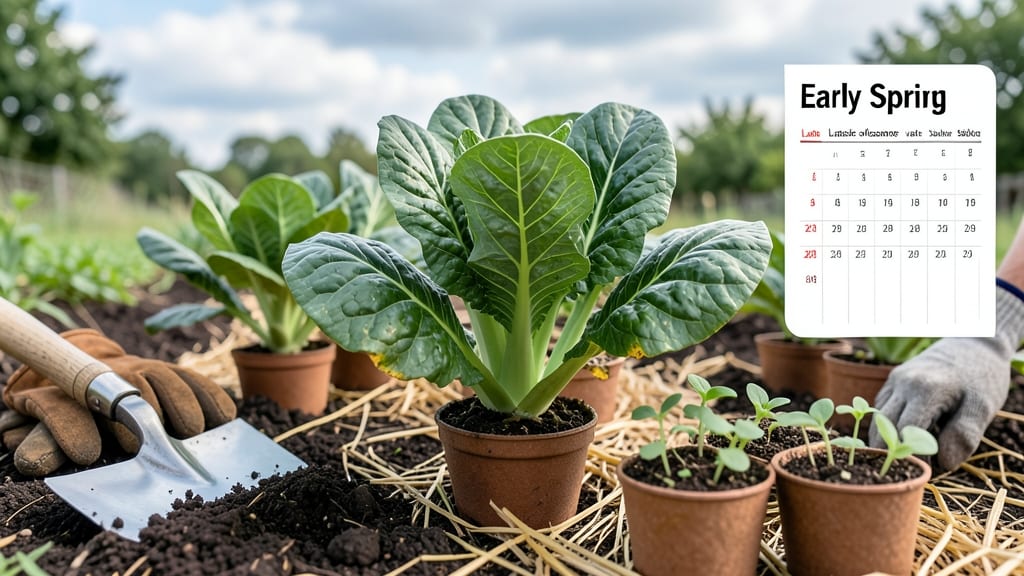
If you’ve ever wondered when do you plant collards in North Carolina to avoid bitter, wilty leaves, the answer lies in the clock—and the state’s unpredictable climate. Planting these leafy greens at the wrong time means battling pests, heat stress, or frost damage before they’re ready for harvest.
Here’s the secret: Timing isn’t one-size-fits-all in NC’s 7a-8b zones. Whether you’re in the Coastal Plain or the Mountains, the exact months for planting collards—March-April for spring and August-September for fall—can make or break your harvest.
Get it wrong, and you’ll end up with tough, bitter leaves instead of the tender, flavorful bounty you’re after.
I’ll break down the science behind NC’s frost dates, soil prep tricks, and how to stretch your collard season for a longer harvest. No more guessing—just proven strategies to grow collards that taste like they came straight from a Southern farmhouse table.
Ready to master the timing? Let’s dive into the perfect planting windows for your zone and set you up for a harvest that’ll last from spring through fall.
Optimal collard planting months by North Carolina hardiness zones (5b-8a)
North Carolina spans USDA zones 5b through 8a, creating dramatic differences in frost dates and growing seasons. For zone 5b (mountains), plant collards 4-6 weeks before your last frost date—typically late March to early April.
In zone 8a (coastal), you can start as early as February for spring or push into September for fall crops.
Soil temperature is critical: collard seeds need at least 60°F to germinate. Use a soil thermometer to confirm—cold soil delays sprouting. In zone 7a (central NC), aim for March 15 to April 15 for spring plantings, while fall crops thrive when planted August 1 to September 15.
Your last frost date is the key metric. Check the NC State Climate Office for your county’s average (e.g., March 15 in Raleigh, April 1 in Asheville). Planting too early risks cabbage worms and aphids, while late plantings may bolt before harvest.
Spring vs. fall planting each have trade-offs. Spring crops avoid winter pests but face summer heat stress, while fall crops grow slower but taste sweeter after frost. The ideal window balances these factors—March-April for spring and August-September for fall.
| Factor | Spring Planting | Fall Planting |
|---|---|---|
| Best Months | March–April | August–September |
| Soil Temp Requirement | 60°F+ | 55°F+ |
| Pest Pressure | High (cabbage worms) | Low (fewer pests) |
| Bolt Risk | Moderate (heat stress) | Low (cooler temps) |
| Harvest Window | May–June | October–November |
| Flavor Profile | Mild, tender | Sweeter, heartier |
For zone 6a (Piedmont), split your planting: 40% in March and 60% in September. This hedges against spring pests and fall frost. Use row covers if planting near the first frost date (typically November 15) to extend harvests.
Pro tip: Direct-sow seeds ¼ inch deep, 18 inches apart. Transplants work too—just harden them off for 7-10 days before moving outdoors. Avoid overcrowding, which invites fungal diseases like downy mildew.
In zone 8a, you can even try winter collards! Plant late September to early October for harvests through January. Use cold-hardy varieties like ‘Vates’ and protect with straw mulch (3–4 inches thick) to insulate roots.
Remember: Collards are cool-season crops. They thrive when days are 60–75°F and nights dip below 50°F. Planting in summer heat (above 85°F) causes bolting—so avoid June–July sowings unless using shade cloth.
🌱
Optimal collard planting months by North Carolina hardiness zones (5b-8a)
North Carolina’s diverse climate—from the Coastal Plain’s humidity to the Mountains’ cooler temps—means your collard planting window depends entirely on your USDA zone.
In Zone 5b (western NC), aim for March 15–April 15 to beat frost, while Zone 8a (eastern NC) can start as early as February 15 for spring crops.
Soil temperature is the real game-changer: collards need 60°F+ soil to germinate. Use a soil thermometer—if it’s below 55°F, wait. In Zone 7a (most of NC), this usually aligns with mid-March, but late April is safer for fall planting to avoid summer heat stress.
Here’s the zone-by-zone breakdown of ideal planting months, frost risks, and how to adjust for early/late varieties:
| Zone | Spring Planting | Fall Planting | Key Risks | Pro Tip |
|---|---|---|---|---|
| 5b (Mountains) | March 15–April 15 | August 15–September 15 | Late frosts, slugs | Use row covers for early spring |
| 6a (Piedmont) | March 1–April 10 | August 1–September 10 | Heat stress in July | Plant heat-tolerant ‘Vates’ |
| 7a (Coastal Plain) | February 15–March 30 | July 15–August 30 | Hurricane risks in Sept | Harvest before first frost |
| 8a (Eastern NC) | January 15–March 15 | June 15–July 30 | Bolting in heat | Shade cloth for summer |
Spring vs. fall planting trades-offs matter too. Spring crops face slug pressure but yield larger leaves, while fall-planted collards bolt less but may wilt in early frost. For zero-bolt success, I recommend fall planting in Zone 7a/8a—just 60 days before your first frost.
Don’t overlook soil prep: collards thrive in well-draining, slightly acidic soil (pH 6.0–6.8). Work in 2–3 inches of compost 2 weeks before planting, and avoid fresh manure—it causes nitrate burns. In heavy clay soils (common in Piedmont), raise beds to prevent waterlogging.
Pro tip: Test your soil in early spring. If phosphorus is low (30 ppm), side-dress with bone meal at planting. This boosts root growth and disease resistance, especially in humid Coastal Plain zones.