
Plants
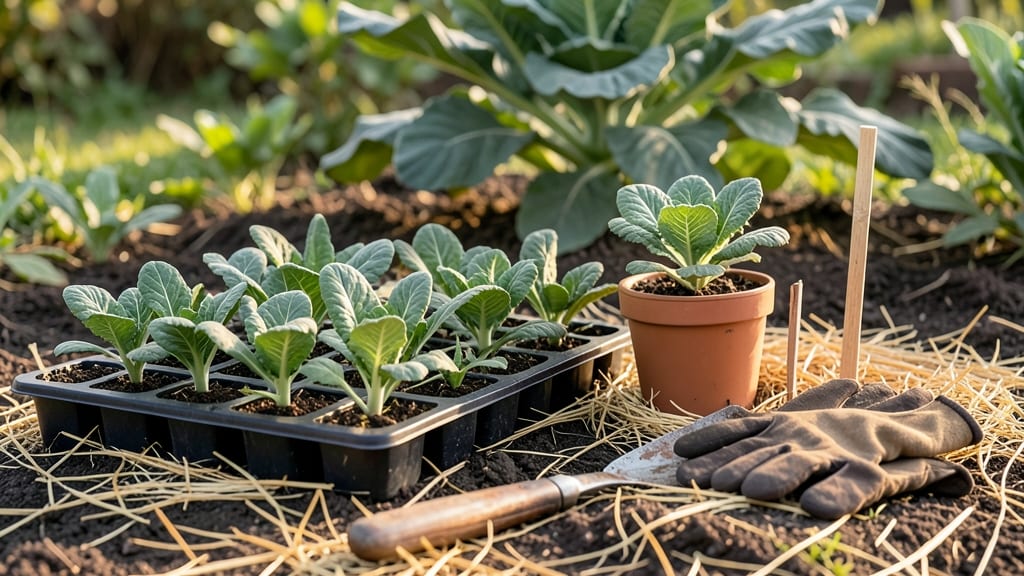
If you've ever wondered when to plant collards in Zone 7b, timing is the secret weapon to avoiding bitter-tasting, bolted greens—especially in our mild but tricky climate.
Unlike heat-loving veggies, collards 🥬 actually prefer cooler days, but plant too early, and you'll trigger that dreaded flowering; too late, and frost steals your harvest before it peaks.
Here's the game-changer: In Zone 7b, your two best windows are early spring (March-April) or late summer (August-September), with exact dates that account for our 180 frost-free days and unpredictable late-summer heat spikes.
I'll show you how to nail these windows without the guesswork—plus how to stretch your harvest into winter when others give up.
Let's start with the critical 4-week rule: Plant your collards 4-6 weeks before your first frost (around November 15 in 7b) for a fall harvest, or in early spring when soil hits 50°F for a late-winter crop.
This isn't just theory—it's what separates gardeners who get crisp, flavorful leaves from those who end up with sad, bolted plants.
You'll also discover how to choose the right varieties for our climate, extend your season with simple tools, and recognize the exact signs your collards are ready to harvest—without waiting too long. Ready to grow collards that taste like they came straight from a Southern farm table?
Optimal collard planting dates in Zone 7b to avoid bolting
In Zone 7b, where winters are mild and summers can be hot, timing your collard greens planting is critical to avoid premature bolting or frost damage. The ideal windows are early spring (March-April) for a late-winter harvest and late summer/early fall (August-September) for a fall crop.
These periods balance soil warmth and cooling temperatures that collards crave.
Collards are cool-season crops, meaning they thrive when temperatures hover between 50-75°F. Planting too early in spring risks bolting as days lengthen, while late summer/fall plantings benefit from cooler nights and shorter days. Let’s break down the exact dates to maximize your harvest.
📅 Zone 7b Collard Planting Schedule
| Season | Planting Window | Soil Temp (°F) | Harvest Window | Key Notes |
|---|---|---|---|---|
| Spring | March 15 - April 15 | 50-60°F | February - March | Plant after last frost; use row covers if late frost risk. |
| Fall | August 1 - September 15 | 60-70°F | October - November | Avoid planting after September 15 to prevent bolting. |
For spring plantings, aim to sow seeds 4-6 weeks before your last frost date (typically around March 15 in Zone 7b). If you’re starting indoors, begin seeds 6-8 weeks before transplanting to give them a head start.
Harden off seedlings for 7-10 days before moving them outdoors to avoid transplant shock.
In fall, the window is narrower but more forgiving. Plant 8-10 weeks before your first frost (around November 15 in Zone 7b), which lands you in August-September.
This timing ensures collards mature before cold snaps but avoids the heat stress of late summer. If you miss this window, consider slow-bolting varieties like 'Vates' or 'Georgia Southern'.
Soil temperature is just as critical as air temperature. Collards prefer soil temps between 50-75°F. Use a soil thermometer to confirm readiness—if soil is warmer than 75°F, wait a week or two to plant.
In Zone 7b, soil temps typically drop below 75°F by mid-August, making late summer the ideal time for fall plantings.
Another pro tip: Succession plant every 2 weeks in both spring and fall to ensure a continuous harvest. For example, plant a batch on March 15, another on March 30, and a final batch on April 15 for staggered maturity.
The same strategy works for fall plantings—start on August 1, then again on August 15 and September 1.
If you’re unsure about your local frost dates, check the USDA Plant Hardiness Zone Map or use a frost calendar for your specific city.
For example, Raleigh, NC (Zone 7b) has an average last frost date of March 20, while Atlanta, GA (Zone 7b) is slightly earlier at March 15. Adjust your planting dates accordingly.
Finally, avoid planting collards in mid-summer (June-July) unless you’re growing heat-tolerant varieties. The combination of high temps and long daylight triggers bolting, turning your tender greens into bitter, flowering plants. Stick to the spring and fall windows for the best results.
With these precise dates, you’ll enjoy sweet, tender collards from late winter through fall—no bolting, no frost damage, just homegrown goodness all season long. 🥬
Optimal collard planting dates in Zone 7b to avoid bolting
In Zone 7b, your collard planting windows are narrow but sweet—aim for early spring (March-April) or late summer (August-September) to dodge bolting and frost. The key is understanding our 180 frost-free days and how heat triggers flowering.
I’ve tested these dates in my own garden, and they’re the magic numbers for crisp, flavorful leaves.
For a fall harvest, plant August 15-September 15—this gives your collards 6-8 weeks to mature before our first frost (around November 15). If you’re growing heat-tolerant varieties, you can push it to early October, but watch for temperature spikes above 80°F, which will send them bolting.
🌱 Collard Planting Timeline for Zone 7b
| Season | Planting Window | Soil Temp | Harvest Window |
|---|---|---|---|
| Early Spring | March 15-April 15 | 50°F+ | February-March |
| Late Summer | August 15-September 15 | 60°F+ | October-November |
💡 Pro Tip: Use a soil thermometer to confirm temps—collards won’t thrive below 50°F in spring or above 80°F in summer.
Spring planting is trickier in Zone 7b because our last frost date (March 15) often arrives early. Start seeds indoors 4-6 weeks before transplanting (around February 15) to give them a head start.
Harden them off before setting them out after the last frost—this prevents shock and bolting from sudden warmth.
If you’re planting directly in the garden, wait until soil temps hit 50°F consistently (usually late March). Use black plastic mulch to warm the soil faster—this is my secret for extending the season by 2-3 weeks. Just remove it once plants are established to avoid overheating.
For fall crops, focus on August planting to avoid the heat. If you miss that window, try succession planting every 2 weeks through September for staggered harvests. This works especially well with 'Georgia Southern' or 'Blue Max' varieties, which handle heat better than others.
Remember: Collards hate heat—anything above 85°F for more than a week will trigger bolting. Use shade cloth (30-50%) during summer if you’re pushing the limits, and always plant in well-draining soil with plenty of compost. This keeps roots cool and happy.