
Plants
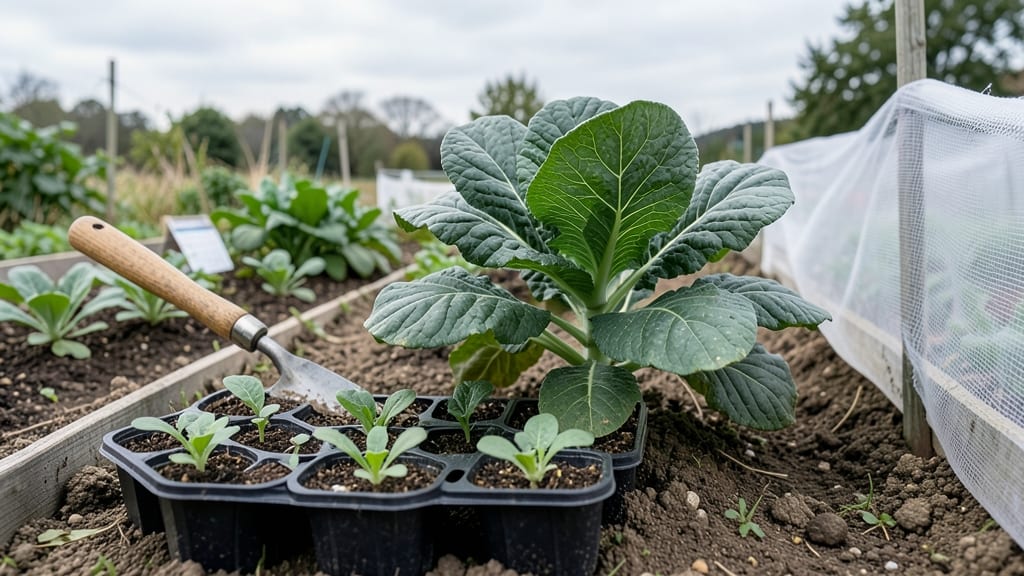
If you're wondering when to plant collards in South Carolina, timing is the secret to a thriving harvest—especially in zones 7b-8a where frost can sneak up unexpectedly.
Plant too early, and your 🥬 might bolt or wilt; too late, and summer heat will stunt growth before you even taste those tender leaves.
South Carolina’s mild winters and long growing season give you two ideal windows: March–April for spring and August–September for fall. But here’s the catch—your exact county matters. Coastal areas like Charleston have later frost dates than Upstate regions, meaning your planting schedule should shift accordingly.
I’ll break down the frost-free window by county so you know exactly when to start seeds indoors or sow directly. Plus, I’ll share pro tips for adjusting your schedule based on soil temperature and microclimates—because even a 10°F difference can change everything.
Ready to grow collards that thrive from spring to fall? Let’s dive into the perfect planting timeline tailored just for your part of South Carolina.
South Carolina collard planting dates by county: frost-free window guide
Collards thrive in South Carolina’s mild winters and long growing seasons, but getting the timing right means avoiding frost damage and summer heat stress. The state’s USDA Zones 7b–8a offer two ideal planting windows: spring (March–April) and fall (August–September).
However, frost dates vary by county—Greenville’s high elevation can delay spring planting by 1–2 weeks compared to Charleston.
For most of South Carolina, the last frost date falls around March 15, while the first frost typically hits November 15. This gives you a 215-day frost-free window, perfect for collards, which mature in 60–75 days.
But don’t rely on averages—historical extremes can push frost dates 2 weeks earlier or later, especially in upstate regions.
Pro Tip: Use your county’s 10-year frost records (available from the SC State Climatology Office) to fine-tune your schedule. For example, Charleston may safely plant by February 20, while Greenville should wait until March 5.
For spring planting, aim to have collards established 4–6 weeks before the last frost date. Start seeds indoors 4–6 weeks early or use row covers to protect young plants. In fall, plant 8–10 weeks before your first frost to ensure a harvest before cold sets in.
If you’re in a coastal county like Charleston or Myrtle Beach, you can push spring planting as early as February, but avoid planting before soil reaches 50°F (10°C). In upstate areas, wait until after March 1 to avoid late frost damage.
For fall harvests, prioritize August–September planting to ensure collards mature before November frost. In warmer microclimates (e.g., near Savannah), you might squeeze in a late-September planting for a winter harvest, but protect plants with row covers if temperatures dip below 25°F (-4°C).
Use this county-specific guide to align your planting with local conditions. For example, Greenville gardeners should avoid planting before March 1, while Charleston growers can start 2 weeks earlier. Adjust for soil warmth—collards won’t germinate well in cold, wet soil.
Remember: Soil temperature matters more than air temperature. Use a soil thermometer to confirm 50°F (10°C) before planting. If soil is too cold, wait 1–2 weeks or use black plastic mulch to warm it faster.
For overwintering collards, plant in late summer (August) and use row covers or mulch to protect against light frosts. This extends your harvest into December or January in coastal areas.
🥬
How to adjust collard planting for South Carolina’s microclimates
South Carolina’s diverse geography means your collard planting schedule should adapt to local conditions. Coastal areas like Charleston and Hilton Head enjoy warmer microclimates, while Upstate regions near Greenville or Caesars Head face earlier frosts.
Even a 500-foot elevation change can shift your frost dates by 1-2 weeks, so pay attention to your specific zone.
For lowland areas, aim to plant 2 weeks later than average—soil warms faster, but summer heat arrives earlier. In mountainous regions, start seeds indoors 6-8 weeks before last frost to account for cooler nights.
Use soil thermometers to confirm 50°F+ soil temps before direct sowing, as cold soil delays germination.
🚨 Callout Warning 🚨
⚠️ Microclimate Mistakes to Avoid
Planting too early in valleys risks frost damage, while delaying in coastal areas exposes plants to summer bolting. Never use last year’s frost dates—check 5-year averages from your local Cooperative Extension Service for accuracy.
Pro Tip: Test your microclimate by planting radishes (fast germinators) 2 weeks before your target date—they’ll reveal soil readiness.
Row covers are your best friend for extending seasons. Use floating row covers to plant 3-4 weeks earlier in spring or 2 weeks later in fall, protecting young plants from 28°F+ temps.
Remove covers when plants flower to prevent heat stress. For overwintering collards, mulch heavily with straw or leaves after first frost—this insulates roots and keeps leaves edible through December and January.
Choose heat-tolerant varieties like 'Georgia Southern' or 'Top Bunch' for coastal gardens, while 'Vates' or 'Champion' handle Upstate’s cooler nights better. Dwarf varieties (12-18 inches tall) work well in containers for patios or balconies, adapting to urban microclimates with reflected heat from buildings.
Monitor local weather patterns—South Carolina’s Atlantic influence can bring unexpected cold snaps even in April or October. Sign up for NOAA alerts or use apps like PlantNet to track 10-day forecasts.
If a 32°F freeze is predicted, cover plants with old blankets or cardboard for 24+ hours of protection.
Finally, soil type matters. Sandy soils in coastal areas dry out faster, requiring daily watering in summer, while clay soils in Piedmont regions stay moist longer but need amendments like compost to improve drainage. Test your soil’s pH (6.0-7.0 ideal) and adjust with lime or sulfur before planting.