
Plants
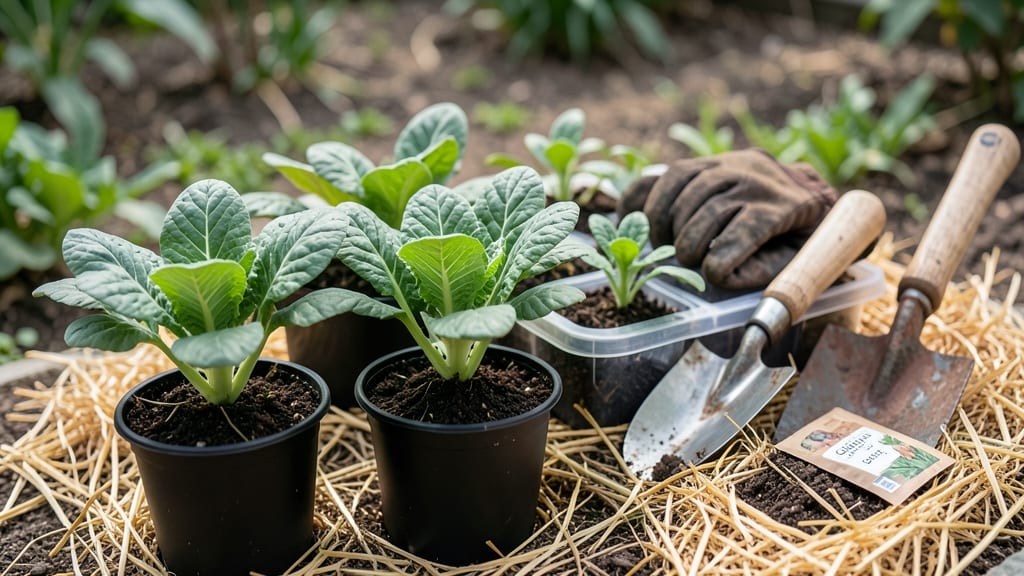
Timing your collards planting in Georgia can mean the difference between a thriving harvest and bitter, stunted greens. With the state’s diverse microclimates—from the Piedmont’s rolling hills to the Coastal Plain’s humidity—getting the schedule right is key to avoiding frost damage or summer stress.
Most gardeners in Georgia’s USDA zones 7b-8b know the sweet spot for planting 🥬 collards is early spring (March–April) or late summer (August–September). But here’s the catch: Coastal areas can handle fall planting a month later than the mountains, where late frosts linger well into April.
Missing these windows risks bolting or poor growth.
In this guide, I’ll break down the exact weeks to plant based on your region, plus soil prep tricks to give your collards the best start. Whether you’re in Athens or Savannah, you’ll learn how to align your planting with Georgia’s unique frost-free periods for maximum success.
Ready to grow collards that taste sweeter after a light frost? Let’s dive into the microclimate-specific schedule that’ll have your garden thriving from seed to harvest.
Georgia’s best collard planting weeks by region: avoid frost & heat stress
Georgia’s diverse microclimates mean your collard planting window can vary by 100+ days between North Georgia’s mountains and the Coastal Plain. In USDA Zones 7b-8b, timing is critical to avoid late spring frosts or summer heat stress.
Let’s break down the optimal planting weeks for each region to maximize your harvest.
For North Georgia (Zone 7b), where frosts linger until mid-April, your spring planting window opens in late February to early March. This gives seedlings time to establish before last frost dates (typically March 15).
In contrast, the Coastal Plain (Zone 8b) can plant as early as mid-February with minimal frost risk.
Fall planting is equally critical. In North Georgia, aim for mid-August to early September to harvest before the first frost (Nov 15).
The Coastal Plain has until late September due to its warmer climate. Piedmont gardeners fall somewhere in between, with late August to mid-September as their sweet spot.
Soil temperature is your secret weapon. Collards germinate best when soil reaches 50°F (10°C). Use a soil thermometer to confirm readiness—especially in North Georgia’s cooler microclimates. In the Coastal Plain, soil warms faster, so you can plant earlier without risking cold damage.
Here’s how microclimates impact your planting schedule:
| Region | Spring Planting Window | Fall Planting Window | Last Frost Date | First Frost Date |
|---|---|---|---|---|
| North Georgia (Zone 7b) | Late February – Early March | Mid-August – Early September | March 15 | November 15 |
| Piedmont (Zone 7b-8a) | Mid-February – Late March | Late August – Mid-September | March 1 | November 1 |
| Coastal Plain (Zone 8b) | Mid-February – Early April | Late September | February 15 | October 31 |
Pro tip: Succession plant every 2-3 weeks in spring and fall to ensure a continuous harvest. For example, in North Georgia, plant one batch in late February, another in early March, and a final batch in mid-August for fall harvests.
If you’re in a transition zone (like Middle Georgia), err on the side of earlier planting. These areas experience unpredictable frosts, so starting in early March for spring or late August for fall gives your collards a buffer.
Always check your local Cooperative Extension Service for frost alerts.
For direct sowing, aim to plant seeds 4-6 weeks before your region’s last frost date. In North Georgia, that’s early March; in the Coastal Plain, you can start as early as mid-February.
If you’re transplanting seedlings, wait until soil is 60°F (15°C)—typically mid-to-late March in most of Georgia.
Remember: Heat stress is just as dangerous as frost. Avoid planting in summer months (June-August) unless you’re using shade cloth or heat-tolerant varieties. Your collards will bolt or develop bitter flavors if exposed to consistent 90°F+ temperatures.
By aligning your planting with these microclimate-specific windows, you’ll enjoy sweet, tender collards from spring to fall—without the stress of frost damage or heat-induced bolting. Happy planting! 🥬
How to extend collard growing seasons in Georgia’s harshest microclimates
Georgia’s microclimates can be tricky—North Georgia’s late frosts or the Coastal Plain’s early heat can ruin your collard harvest if you’re not prepared. But with the right techniques, you can push your growing season earlier or later than usual. The key is understanding how to protect your plants and choose the right varieties for your specific zone. For example, in North Georgia’s mountainous regions, where frosts linger until mid-April, you’ll need to start seeds indoors and use row covers to shield young plants. Meanwhile, in the Coastal Plain, where summer heat arrives by late May, shade cloth and heat-tolerant varieties become essential.Here’s how to extend your collard season no matter where you garden in Georgia:
Begin seeds 6-8 weeks before your last frost date. Use grow lights for 14-16 hours/day to avoid leggy seedlings.
Deploy floating row covers in North Georgia to protect seedlings from late frosts. Remove during the day when temps rise above 50°F.
In the Coastal Plain, use 30-50% shade cloth to prevent bolting. Install it when daytime temps exceed 85°F.
Opt for ‘Georgia Southern’ or ‘Top Bunch’, which handle 90°F+ temps better than traditional varieties.
Sow new seeds every 2-3 weeks from March to September to ensure a continuous harvest, even if early plantings fail.
Apply 3-4 inches of mulch to retain soil moisture and regulate temperature. Use straw or shredded leaves for best results.
Don’t forget to harden off seedlings before transplanting, especially if you’re extending the season. Acclimate them to outdoor conditions over 7-10 days by gradually increasing their exposure to wind and sun. This step is critical for North Georgia’s chilly mornings or the Coastal Plain’s intense afternoon heat. For fall planting, aim to sow seeds 8-10 weeks before your first frost date. In North Georgia, this means mid-August, while in the Coastal Plain, you can push it to early September. Use a soil thermometer to ensure temps stay above 55°F for germination—cold soil slows everything down.
Pro tip: If you’re in a transitional zone like the Piedmont, consider using black plastic mulch to warm the soil faster in spring or white mulch to reflect heat in summer. These tricks can shave 2-3 weeks off your growing season, giving you more time to enjoy those sweet, frost-tender collards.
Finally, keep an eye on your plants for signs of stress. Yellowing leaves might mean too much heat, while stunted growth could signal frost damage. Adjust your methods as needed—your goal is consistent harvests, not perfection.
With these strategies, you’ll be able to grow collards year-round in Georgia, even in the most challenging microclimates. Happy gardening! 🌱