
Plants
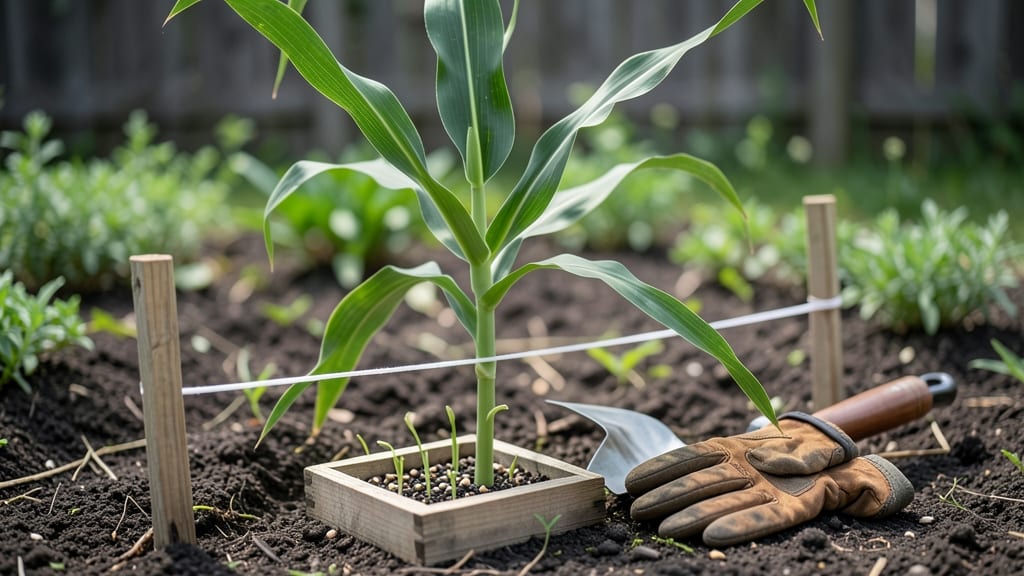
If you're asking "when do you plant corn in Arkansas", timing is everything—especially in USDA Zones 7a-8a, where a late frost or sudden heatwave can make or break your harvest.
The sweet spot for planting 🌽 is mid-April to early May, but getting it right means more than just avoiding frost dates.
Arkansas' humid subtropical climate throws a curveball with its unpredictable weather swings. That's why knowing when the soil warms to 60°F+ and how to adjust for your specific microclimate (whether you're near Little Rock or Texarkana) becomes the key to success.
Get this wrong, and you might end up with stunted plants or ears that never fully develop.
What you'll discover here are the exact planting windows for Arkansas, plus smart strategies to handle late springs or early freezes. We'll cover everything from choosing the right corn varieties for your zone to soil prep techniques that give your plants the best possible start.
Ready to turn your garden into a cornfield goldmine? Let's break down the science and local wisdom that will help you plant at the perfect moment for maximum yield—and maybe even save you from some common mistakes that trip up even experienced gardeners.
Optimal Arkansas corn planting dates by USDA Zone (7a vs. 8a)
In Arkansas, where USDA Zones 7a-8a create a humid subtropical climate, timing your corn planting is everything. The last frost dates vary by region—Little Rock averages mid-April, while northern areas like Jonesboro may see frost until early May.
Corn thrives when soil temperatures hit 50°F+, but roots need 60°F+ to germinate reliably.
Most Arkansas gardeners aim for mid-April to early May planting, but this shifts slightly based on your zone. Zone 7a (northern Arkansas) needs a later start to avoid late frosts, while Zone 8a (southern Arkansas) can plant 2-3 weeks earlier.
Even a week’s delay can reduce yields by 20-30% if temperatures dip unexpectedly.
Here’s the golden rule: Plant when your soil is warm enough to hold a seed and nighttime temperatures stay above 55°F. Use a soil thermometer—corn seeds won’t sprout below 50°F, and slow germination invites pests like cutworms.
🌽
| Zone & Location | Last Frost Date | Optimal Planting Window | Soil Temp Threshold | Harvest Window |
|---|---|---|---|---|
| 7a (Jonesboro, Fayetteville) | Mid-April | Late April to early May | 60°F+ (soil) | Late July to early Sept |
| 7a-8a (Little Rock) | Early April | Mid-April to late April | 55°F+ (soil) | Mid-July to mid-Sept |
| 8a (Texarkana, El Dorado) | Late March | Early April to mid-April | 50°F+ (soil) | June to early Sept |
| All Zones (Late Planting) | N/A | June (early varieties only) | 60°F+ (soil) | Sept-Oct (small yields) |
Note: Adjust for microclimates—south-facing beds warm faster. Use black plastic mulch to raise soil temps by 5-10°F.
For sweet corn, aim for a 70-90 day variety like ‘Peaches and Cream’ in Zone 7a or ‘Silver Queen’ in Zone 8a. Field corn (for livestock) can handle later plantings but risks lower yields. Popcorn varieties like ‘Glass Gem’ need the longest season—plant these in early April for a late-summer harvest.
If you’re in Zone 7a and still see frost warnings in April, use row covers or wait until May 1st. In Zone 8a, you can even try a late March planting with black plastic mulch to accelerate soil warming.
Just remember: corn planted after June 1st rarely matures fully in Arkansas’ heat.
Pro tip: Test your soil’s pH (6.0-7.0) and add compost before planting. Arkansas’ clay-heavy soils benefit from sand or peat moss to improve drainage. Without proper prep, even the best timing won’t guarantee a great crop.
🌡️
How to adjust planting for Arkansas’ unpredictable weather patterns
Arkansas’ humid subtropical climate throws curveballs—late freezes, sudden heatwaves, and flash droughts can derail even the best-laid corn planting plans. The key is flexibility. If your last frost date slips past early April (common in USDA Zone 7a), don’t panic.
Instead, pivot to shorter-season varieties or use row covers to protect seedlings until soil warms.
I’ve learned the hard way that waiting for soil temperatures to hit 60°F+ is more critical than calendar dates. A soil thermometer ($15 at garden centers) is your best friend—planting too early in cool soil leads to slow germination and rot-prone seedlings.
Pro tip: Black plastic mulch can warm soil by 5-10°F in just days, giving you a head start in Zone 7a.
🌱
⚠️ Watch for These Arkansas-Specific Risks
- Late Springs: Zone 7a areas like Mountain View can see frost as late as April 15. Use row covers or plant ‘Early Sunglow’ (60-day variety).
- Early Freezes: Northern Arkansas (Zone 7a) may hit 32°F by October 15. Choose early-maturing varieties like ‘Peaches and Cream’ (75 days).
- Drought Stress: Southern Arkansas (Zone 8a) can dry out fast. Drip irrigation or mulching saves water—critical during tasseling (July).
🌡️ Pro Tip: If night temps dip below 50°F after planting, cover seedlings with lightweight row fabric.
For staggered planting, sow seeds in 2-week intervals to extend your harvest window. This works especially well for sweet corn, where ‘Silver Queen’ (80 days) and ‘Ambrosia’ (72 days) can be planted together.
The first batch ripens for July 4th BBQs, while later plantings feed you through August.
If drought threatens, switch to drought-tolerant varieties like ‘Bodyguard’ (resistant to leaf blight) or ‘Pioneer 39T23 (field corn hybrid). These handle Arkansas’ summer heat better than standard sweet corn. Pair them with deep watering (1-2 inches per week) to keep roots hydrated during silking stage—the most water-critical phase.
Finally, keep an eye on Arkansas Extension Service alerts for corn earworm or Southern corn rust outbreaks. Early warnings let you spray neem oil or remove affected plants before damage spreads. Timing your planting around these risks—rather than just frost dates—is what separates good harvests from great ones.
☀️