
Plants
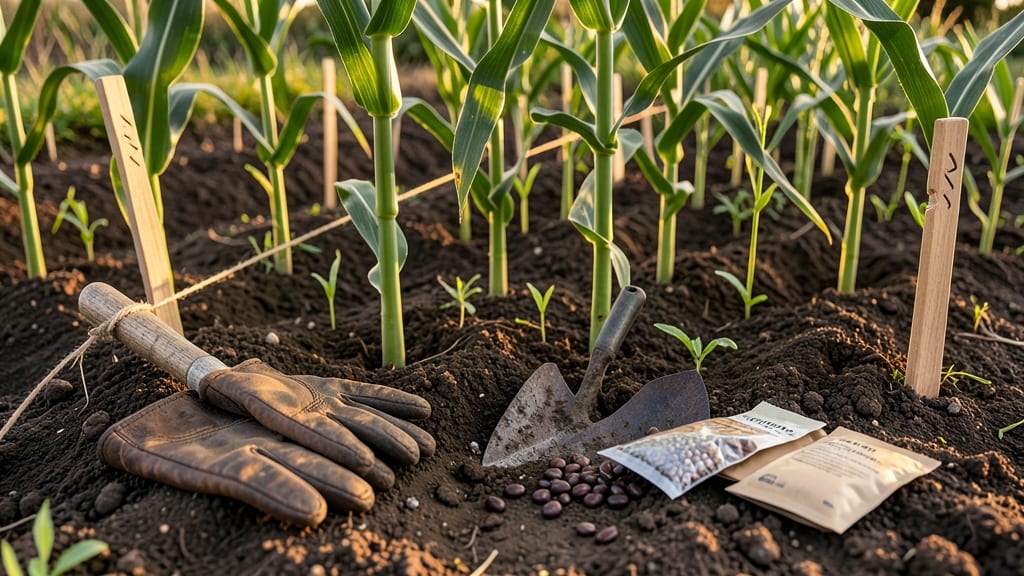
Planting corn in California can feel like solving a puzzle—because your timing depends on whether you're battling coastal fog, baking in the Central Valley, or dealing with high-desert chill.
Get it wrong, and you might end up with stunted plants or wasted seeds, no matter how much you love that 🌽 harvest.
The good news? With California's 9a-10b zones, you actually have a longer window than most gardeners—coastal areas can start as early as March, while inland regions wait until April or May. But here's the secret: soil temperature matters more than calendar dates.
Your corn won't germinate properly until the dirt hits 60°F, so we'll show you how to check that and other key factors.
What you'll discover in this guide are the exact planting windows for 5 California regions, plus how to adjust for microclimates, soil types, and even urban gardens. Whether you're a first-time gardener or a veteran grower, these insights will help you avoid common mistakes and maximize your yield.
Ready to turn your garden into a cornfield? Let's dive into the best months to plant by region—and why getting this right could mean the difference between a handful of ears and a full basket of sweet, homegrown 🌽 goodness.
California corn planting calendar by region: coastal vs. desert vs. valley
California’s microclimates create dramatic differences in corn planting success. The Central Valley bakes under summer sun, while coastal areas stay cooler year-round. Even within regions, elevation changes can shift planting windows by 2-4 weeks. Let’s break down the best planting months for California’s five key growing zones.
Your corn’s success hinges on soil temperature (aim for 60°F+) and frost risk. Most of California avoids frost, but high desert areas (like Death Valley) can see light frosts. Coastal regions like San Francisco may plant 4-6 weeks later than the Central Valley due to cooler soils.
Here’s your region-specific planting calendar with key temperature thresholds and frost considerations:
Notice how desert regions plant later due to extreme heat? Corn struggles when soil temps exceed 90°F. In contrast, coastal areas delay planting to avoid cool, damp soils that slow germination. Pro tip: Use a soil thermometer to confirm readiness—corn won’t sprout below 50°F.
For Northern California gardeners, aim to harvest before September’s heat waves. In the Central Valley, you can push planting into early June for late-summer harvests, but choose short-season varieties like ‘Golden Bantam’ (60 days to maturity).
Coastal gardeners should stick to longer-season varieties (90+ days) to avoid early frosts.
One common mistake? Planting too early in cooler microclimates (like mountain foothills). If your soil stays below 60°F for more than 2 weeks, germination fails. Use black plastic mulch to warm soil 5-10°F faster in these areas.
🌽
How to adjust corn planting times for microclimates and soil conditions
California’s microclimates can feel like planting in different states—your neighbor’s Central Valley garden might be 20°F warmer than yours in the coastal hills. Adjust your corn planting schedule based on these key factors: elevation, soil type, and urban heat islands.
For example, Sacramento’s 100°F+ summers demand earlier planting than San Francisco’s 60°F coastal breezes.
Start by testing your soil’s warmth—corn needs 60°F+ soil to germinate. Use a soil thermometer or the "elbow test": push your arm into the soil for 3 seconds. If it’s too cool, cover beds with black plastic mulch 1-2 weeks before planting to warm the ground naturally.
This trick can shave off 2-3 weeks of waiting time in cooler microclimates.
Urban gardeners face extra challenges: concrete heat speeds up growth, while shady apartment balconies stall it. If you’re in a high-rise, opt for dwarf varieties like ‘Golden Bantam’ (60-day harvest) and use reflective mulch to boost light.
For high-altitude areas (e.g., Mount Shasta), plant late May-June to avoid unpredictable frosts after 7,000 feet.
- 📍 Coastal Fog Zones: Wait until April-May when fog lifts by 10 AM—corn needs direct sunlight.
- ☀️ Desert Areas: Plant February-March to beat 110°F+ summer heat; use shade cloth after tasseling.
- 🏙️ Urban Heat Islands: Start seeds indoors 4 weeks early—concrete radiates heat, accelerating growth.
- 🌡️ High Elevation (>5,000 ft): Choose short-season varieties (e.g., ‘Early Sunglow’) and plant June 15.
- 💧 Clay Soil: Amend with compost + sand and plant 2 weeks later—clay stays cold longer.
Soil type dictates more than just planting time—it affects water retention and root depth. In sandy soil (common in Central Coast), corn roots dry out fast. Water deeply every other day and mulch with straw to retain moisture.
For clay-heavy soil (e.g., San Joaquin Valley), raise beds or plant on mounds to prevent waterlogging, which causes root rot.
Companion planting can extend your corn’s growing window by 1-2 weeks. Pair with beans or peas (they fix nitrogen) or marigolds (repel pests). Avoid planting near tomatoes or potatoes, which compete for nutrients.
In small-space gardens, use trellised varieties like ‘Golden Cross Bantam’ to save room and improve air circulation.
Pro tip: Use frost date calculators like the USDA Plant Hardiness Tool to pinpoint your local last frost date. Even in frost-free zones like Los Angeles, sudden Santa Ana winds can drop temps 20°F overnight.
If planting in late spring, have row covers ready to protect young seedlings.