
Plants
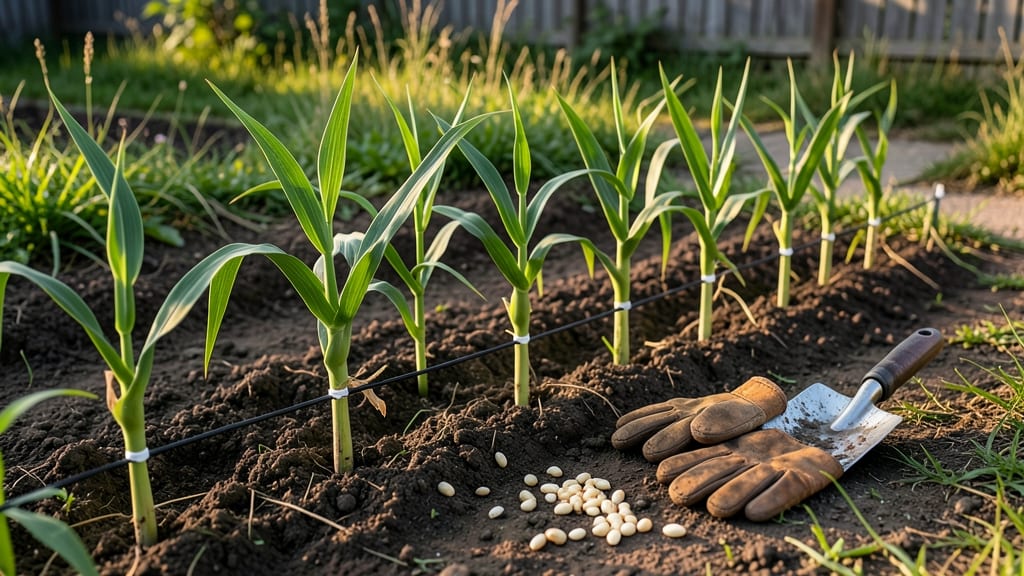
Timing your 🌽 corn planting in Colorado isn’t just about the calendar—it’s about surviving the state’s unpredictable frost cycles and elevation swings.
Whether you’re in the Front Range’s cooler 5-6 zones or the Western Slope’s milder 6-7 zones, planting too early risks frost damage, while waiting too long cuts your harvest window short.
Most Colorado gardeners aim to plant corn between mid-April and mid-May, but the real secret lies in soil temperature and last-frost dates. In high-altitude areas (like 7,000+ feet), you might need to wait until early June, while lowland zones can start earlier.
The key? Warm soil (60°F+) and 2+ weeks frost-free—or risk stunted plants.
This guide breaks down the exact frost-free timelines by elevation, plus soil prep tricks to outsmart Colorado’s short growing season. Skip the guesswork and learn how to pick cold-hardy varieties, use row covers, and adjust for microclimates—so your corn thrives, not just survives.
Ready to turn your garden into a cornucopia? Let’s dive into the perfect planting windows for your specific zone—and how to extend your harvest until September, no matter where you’re growing in the Centennial State.
Colorado corn planting dates by elevation Zone (with frost risk charts)
Colorado’s elevation zones dramatically impact corn planting success. At 3,000–5,000 ft (Denver, Front Range), you’ll plant 2–3 weeks earlier than at 7,000+ ft (Aspen, Leadville). The key? Soil temperature must reach 60°F—not just air temperature—and you need 120–160 frost-free days for full maturity.
High-altitude gardens face shorter growing seasons and colder soils, while lowland areas risk heat stress if planted too late.
Below, I’ve mapped out exact planting windows for Colorado’s three elevation tiers, including last frost dates and USDA Zone adjustments to avoid common pitfalls like frost damage or poor pollination.
🌽
For Denver and Boulder (lowland), aim to plant by April 20—but verify soil temperature with a soil thermometer. Colorado Springs (mid-elevation) can push planting to May 10, while Steamboat Springs (highland) may need to wait until June 1 for safe germination.
Use black plastic mulch to warm cooler soils by 10–15°F, especially in highland areas. This trick lets you plant 1–2 weeks earlier without frost risk. Pair it with cold-tolerant varieties like ‘Early Sunglow’ (60-day maturity) to maximize your harvest window.
🌡️
If you’re in a microclimate (e.g., a south-facing slope or urban heat island), adjust your timeline by ±5–7 days. For example, Fort Collins might plant 3 days earlier than Denver due to warmer urban soils.
Always check your local CoCoRaHS station for last frost data—it’s more accurate than USDA averages.
For succession planting, stagger seeds every 2 weeks until June 15 to ensure a continuous harvest. This works best for sweet corn varieties with 70–80 day maturities, like ‘Ambrosia’ or ‘Peaches and Cream’. Avoid planting after July 1—ears won’t mature before first fall frosts (typically mid-October).
📅
One critical mistake Colorado gardeners make? Ignoring soil temperature in favor of air temperature. A 50°F air temp with 40°F soil will delay germination by 1–2 weeks. Always test soil depth at 4 inches—that’s where corn roots need warmth to sprout.
Pro tip: Pre-warm your soil by covering beds with clear plastic for 1–2 weeks before planting. This raises soil temps by 5–10°F and speeds up germination, especially in highland zones.
How to adjust corn planting for Colorado’s microclimates and soil conditions
Colorado’s microclimates can turn your corn patch into a high-stakes gamble—one day’s frost or soil temperature swing can ruin weeks of effort.
The key to success? Adjusting for your specific location, whether you’re in Denver’s urban heat islands, the cool highlands near Boulder County, or the arid Western Slope.
Start by testing your soil temperature with a soil thermometer—corn roots need 60°F+ soil to thrive, and Colorado’s thin air makes warming slower at higher elevations.
Urban gardeners in Denver or Aurora (5,000–6,000 ft) often face heat reflection from pavement, which can warm soil faster than rural areas. Use this to your advantage by planting 1–2 weeks earlier than rural guidelines, but watch for sudden nighttime dips in May.
For high-altitude spots like Eagle County (7,000+ ft), delay planting until late May or early June—even then, use black plastic mulch to raise soil temps by 5–10°F.
Soil type is another game-changer. Colorado’s clay-heavy soils (common in the Front Range) drain poorly when wet, while sandy loams (Western Slope) dry out fast. Amend clay with compost and coarse sand to improve drainage, and mix organic matter into sandy soils to retain moisture.
A quick fix? Raised beds—they warm faster and give roots room to spread, which is critical for drought-prone areas like Montrose or Grand Junction.
• Black plastic mulch: Raises soil temp by 5–10°F and suppresses weeds. Remove after 6 weeks to avoid overheating.
• Row covers: Use floating fabric (like Reemay) to protect seedlings from late frosts. Secure edges with bricks or soil to prevent wind damage.
• Cold frames: Ideal for high-altitude gardens—place over seedlings to trap heat during the day.
• Short-season (60–75 days): ‘Early Sunglow’ (85 days), ‘Bodacious’ (72 days)—great for Zone 5–6.
• Mid-season (75–90 days): ‘Silver Queen’ (90 days), ‘Peaches and Cream’ (85 days)—best for Zone 6–7.
• Cold-tolerant heirlooms: ‘Golden Bantam’ (75 days) handles 50°F nights better than hybrids.
• Drip irrigation: Delivers 1–2 inches/week directly to roots, reducing evaporation.
• Mulch heavily: Use straw or wood chips to retain moisture—critical in June–July when temps soar.
• Avoid overhead watering: Wet foliage invites fungal diseases like corn blight, common in Colorado’s humid summer nights.
Don’t overlook succession planting—it’s your secret weapon for a longer harvest. In lowland zones (3,000–5,000 ft), plant two 2-week batches in May to stagger maturity. For high-altitude areas, stick to one late planting in June and focus on fast-maturing varieties.
Pro tip: Interplant corn with beans or squash—the beans fix nitrogen in the soil, while squash shades roots to keep them cool.
Finally, monitor your corn’s growth stage closely. If tassels appear before silks (a sign of stress), boost phosphorus-rich fertilizer (like 5-10-10) to encourage ear development. And if your plants look yellow or stunted, check for corn rootworm—a common Colorado pest.
Rotate crops with non-corn plants every year to break the cycle.
With these adjustments, you’ll turn Colorado’s quirks into advantages—turning frost risks into early harvests and dry spells into sweet, plump kernels. Now grab your soil thermometer and let’s get planting! 🌽