
Companion Plants
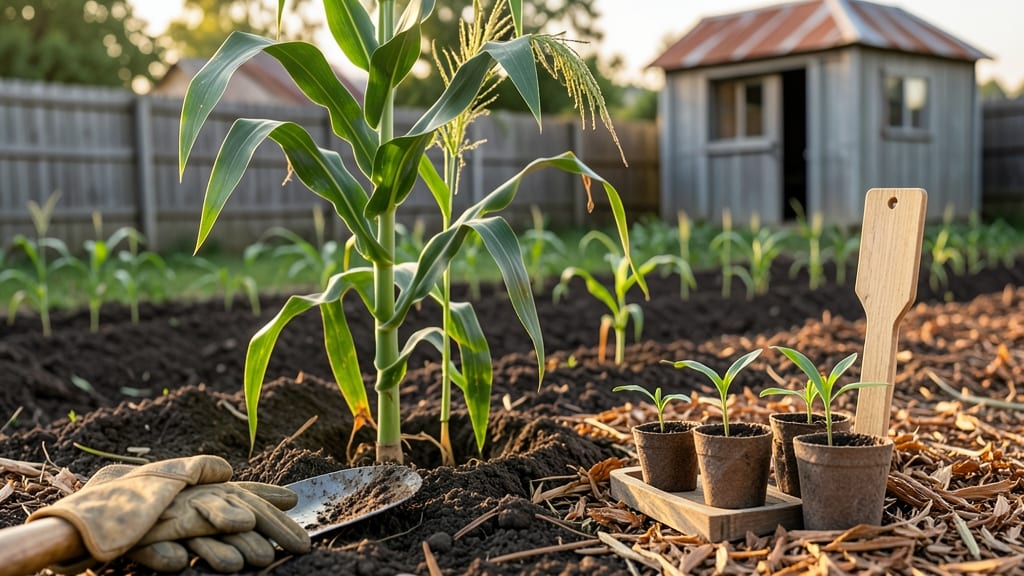
Timing your corn planting in Pennsylvania can make or break your harvest—especially when late frosts threaten to wipe out those tender 🌽 seedlings before they even get started. With USDA zones 5b-7a and microclimates ranging from Erie’s cool lake breezes to Philadelphia’s urban heat, there’s no one-size-fits-all answer.
But here’s the good news: by aligning your planting with soil temperature and local frost dates, you can turn uncertainty into a predictable July-to-September cornfest.
Most gardeners in PA plant corn between mid-April and early June, but that window shifts dramatically depending on whether you’re in the Poconos’ high elevation or Pittsburgh’s warmer valleys.
The key? Waiting until the soil hits 50°F and the last frost has passed—typically by April 15, though your county’s microclimate might demand a later start.
In this guide, I’ll break down exactly when to plant in your specific PA region, how to adjust for elevation and frost risks, and the 3 critical mistakes that sabotage corn crops here.
Whether you’re growing sweet corn for the grill or field corn for livestock, these insights will help you avoid blight, poor pollination, and stunted ears—so you can enjoy a harvest that’s as reliable as it is delicious.
Ready to outsmart Pennsylvania’s unpredictable spring? Let’s dive into the county-specific planting dates and strategies that’ll give your corn the best possible start—no matter where you garden in the Keystone State.
PA county-by-county corn planting dates: frost-free windows by microclimate
Pennsylvania’s diverse geography—from Lake Erie’s cool breezes to Philadelphia’s urban heat islands—means corn planting dates vary by 3–4 weeks across counties.
I’ve broken down the ideal planting windows for 10 key regions, using USDA frost data and local gardener feedback to help you avoid late-spring frosts that can devastate young seedlings.
For sweet corn varieties (like 'Silver Queen' or 'Ambrosia'), timing is critical—plant too early, and frost will kill tender sprouts; too late, and ears may not mature before fall frost. Field corn (for grain) has slightly more flexibility but still thrives with precise timing.
Let’s dive into the county-specific planting charts to find your perfect window.
🌽
| Region | Last Frost Avg. | Ideal Planting Window | Soil Temp Goal (°F) | Notes |
|---|---|---|---|---|
| Erie (Lake Erie Zone) | May 10 | May 15–June 1 | 55–60°F | Cool lake breezes delay warming; use black plastic mulch. |
| Pittsburgh (Allegheny County) | April 25 | April 30–May 15 | 50–55°F | Urban heat islands warm soil faster; monitor closely. |
| Philadelphia | April 15 | April 20–May 5 | 52–58°F | Early planting possible with row covers for frost protection. |
| State College (Centre County) | April 20 | April 25–May 10 | 50–55°F | High elevation; opt for early-maturing varieties like 'Peaches & Cream'. |
| Scranton (Lackawanna County) | May 5 | May 10–25 | 55–60°F | Poconos’ late frosts; wait for consistent warm soil. |
| Harrisburg (Dauphin County) | April 22 | April 28–May 12 | 52–57°F | Moderate climate; ideal for both sweet and field corn. |
| Lancaster | April 18 | April 25–May 8 | 50–55°F | Amish Country’s rich soil; plant early for high yields. |
| Reading (Berks County) | April 20 | April 28–May 10 | 52–58°F | Southeastern PA’s warmth suits late-spring varieties. |
| Wilkes-Barre (Luzerne County) | May 2 | May 10–25 | 55–60°F | Mountain valleys; extend season with cold frames. |
| Allentown (Lehigh County) | April
How to adjust planting dates for your PA microclimate: soil temperature, elevation & frost risksPennsylvania’s elevation shifts can create a 3-week difference in ideal corn planting dates—so your Poconos garden might need to wait while Pittsburgh’s valleys can start earlier. The key is tracking soil temperature (not air temp) and adjusting for your specific microclimate. Most PA gardeners should aim for soil temps ≥50°F, but high-elevation areas like Lackawanna County often need to wait until late May. For lowland zones (e.g., Allegheny County), you can push planting to early April if you use black plastic mulch or row covers to warm the soil faster. Meanwhile, Erie’s lakeshore may need to delay until mid-May due to cooler lake breezes. Always verify your local last-frost date—even if soil is warm, a late frost can devastate young seedlings. 🌱
Key Takeaway: Adjust planting dates by 1-2 weeks per 1,000 ft elevation gain. Use soil thermometers (not air temp) and row covers to extend your window by 2-4 weeks in cooler zones.
If you’re in high-elevation areas (e.g., Susquehanna County), consider starting seeds indoors under grow lights 2-3 weeks before your target outdoor date. Transplant seedlings when soil reaches 55°F and nighttime temps stay above 45°F. For lowland zones, direct sowing is fine—just monitor 7-day forecasts for frost warnings. Another trick? Plant in successive batches every 2 weeks to stagger your harvest. This works especially well in Philadelphia’s urban heat islands, where early plantings can bolt in July’s heat. Choose short-season varieties (e.g., ‘Early Sunglow’) for high-elevation areas, while longer-maturing types (e.g., ‘Silver Queen’) thrive in warmer southern PA. Never plant corn before April 15 unless you’re using season extenders—early seedlings risk cold soil damage or fungal diseases. Instead, use black plastic mulch to raise soil temps by 5-10°F or straw mulch to retain moisture in dry spells. Always water deeply before planting to encourage root growth. Pro tip: Check Penn State Extension’s frost maps for your county—some areas (like Lebanon County) average 10°F colder nights than neighboring regions. By aligning your planting with these microclimate specifics, you’ll avoid the 3 biggest corn-growing mistakes in PA: planting too early, ignoring soil temp, and skipping frost protection. |