
Plants
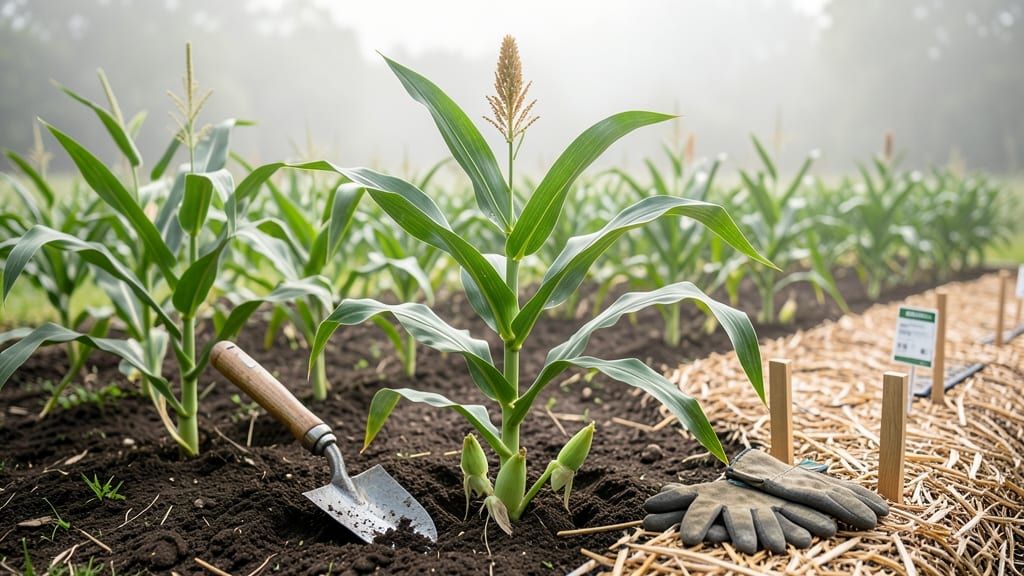
Timing your 🌽 corn planting in Illinois isn't just about the calendar—it's about beating frost, warming soil, and regional quirks that can make or break your harvest. Plant too early, and a late frost will turn your tender seedlings into sad, wilted memories.
Too late, and you risk stunted growth before the first frost hits in October.
Most Illinois gardeners know the general rule: mid-April to late May is prime time, but the real magic happens when you factor in your county's last frost date and soil temperature.
Northern Illinois (like USDA Zone 5b) plays by different rules than southern counties near the 6b line, where warmer microclimates can stretch your window by weeks. Let's break down the exact deadlines you need to know.
You might assume all of Illinois follows the same schedule, but urban heat islands in Chicago or lake-effect warming near Lake Michigan can push your planting window earlier than rural areas. Meanwhile, gardeners in hilly regions like Shawnee Hills need to wait longer for the soil to thaw properly.
The key isn't just knowing when to plant—it's adjusting for your specific corner of the state.
Ready to avoid the 5 biggest mistakes that ruin corn harvests in Illinois? From skipping soil tests to ignoring succession planting, I'll show you how to align your planting with nature's clock—so you can go from seeds to silks without the stress.
Let's get your corn growing on the right timeline.
Illinois county-by-county corn planting deadlines based on last frost dates
Timing is everything when planting corn in Illinois, where last frost dates can vary by 10-14 days between northern and southern counties. The soil temperature threshold of 50°F is non-negotiable—corn seeds won’t germinate reliably below this mark.
I’ve broken down the planting windows by region, so you can avoid frost damage and maximize your harvest.
Northern Illinois (USDA Zone 5b) has the shortest growing season, while southern Illinois (Zone 6b) enjoys an extra 2-3 weeks of warmth. For example, Cook County (Chicago area) typically plants by April 20, while Alexander County in southern Illinois can wait until May 5 without risking frost.
Always check your local Almanac frost dates for the most precise timing.
Pro Tip: Use a soil thermometer to confirm temperatures—cold mornings can delay germination even if daytime temps feel warm. Planting too early in northern Illinois often leads to frost-killed seedlings, while waiting too long in southern Illinois risks overcrowded stalks due to shorter daylight hours.
If you’re planting in northern Illinois, prioritize early-maturing varieties like ‘Early Sunglow’ (65-day harvest) to avoid late-summer frosts. In southern Illinois, you can afford slightly slower varieties like ‘Silver Queen’ (90-day harvest) for larger ears.
Always check the back of seed packets—they list days to maturity based on your last frost date.
For urban gardeners in Chicago, the urban heat island effect can push planting dates 5-7 days earlier than rural areas.
Test your soil’s warmth by placing a thermometer in the ground at a depth of 2 inches—if it’s below 50°F at night, wait another week. Row covers can also extend your planting window by 10-14 days in early spring.
One common mistake I see is planting corn too deeply—bury seeds only 1-2 inches deep. Deeper planting delays germination, and shallow planting risks drought stress or bird predation. Use a planting board or spacer tool to maintain even depth, especially in large gardens.
After planting, monitor for soil moisture. Corn needs 1-2 inches of water per week, especially during tasseling (when pollen forms) and ear development. In drought-prone areas like western Illinois, consider drip irrigation to keep roots consistently moist without wasting water.
Finally, succession planting is key for a continuous harvest. In northern Illinois, stagger plantings every 10-14 days from late April to early May. In southern Illinois, you can extend this to early June for a fall harvest before the first frost.
Keep a planting calendar to track progress and adjust for unexpected weather.
Remember: Corn loves heat, but it h
How to adjust corn planting dates for Illinois microclimates (urban vs. rural, lowland vs. upland)
Illinois' diverse geography means your corn planting dates can vary by 5-7 weeks depending on whether you're in Chicago's urban heat islands or rural Shawnee Hills. Microclimates—created by buildings, lakes, or elevation—can push your last frost dates earlier or delay them by weeks.
Let's break down how to adjust your schedule for these conditions.
Urban areas like Chicago and Springfield experience urban heat islands, where pavement and buildings trap warmth. This can extend your growing season by 1-2 weeks compared to rural areas.
Meanwhile, lowland areas near rivers (like the Mississippi River valley) often have later frost dates due to moisture retention, while upland areas (like the Driftless Region) may frost earlier.
Here’s how to fine-tune your planting for these conditions:
| Microclimate Type | Adjustment to Planting Date | Key Consideration |
|---|---|---|
| Urban Heat Islands (Chicago, Springfield) | Plant 1-2 weeks earlier than rural areas | Soil warms faster; use row covers if nights are still chilly |
| Rural Farmland (Central/Southern IL) | Follow county-specific deadlines (see Section 1) | Standard frost dates apply; monitor local weather |
| Lowland Areas (Mississippi River Valley) | Plant 1 week later than upland areas | Moisture delays soil warming; risk of fungal diseases |
| Upland Areas (Shawnee Hills) | Plant 2 weeks earlier than lowlands | Soil dries faster; use mulch to retain moisture |
| Lake Proximity (Lake Michigan) | Plant 10 days earlier near shorelines | Lake breezes moderate temperatures; watch for wind damage |
For gardeners in urban areas, consider using black plastic mulch or soil warmers to jumpstart growth. These tools can add 5-10°F to soil temperature, letting you plant 2-3 weeks earlier than the official deadline. Just be sure to remove mulch after germination to avoid overheating.
If you're in a lowland area, prioritize well-draining soil to prevent waterlogged roots. Amend clay soils with compost or sand before planting. For upland areas, focus on water retention—use mulch or drip irrigation to keep roots hydrated during dry spells.
Pro tip: Use a soil thermometer to confirm readiness. Corn seeds need 50°F+ soil for consistent germination. If your thermometer reads below this, wait—even if the air feels warm. Patience now prevents failed crops later.