
Plants
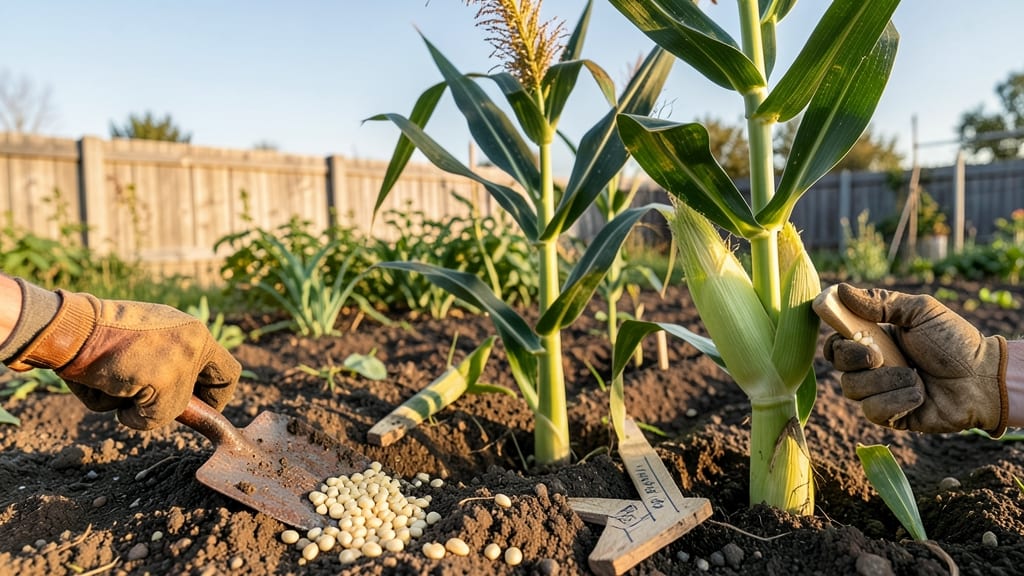
Planting corn in Indiana isn’t just about grabbing seeds and sticking them in the ground—it’s a delicate balance between frost dates, soil warmth, and your county’s unique climate quirks. Get the timing wrong, and you could end up with stunted plants or missed harvests entirely.
The ideal window, April 15 to May 15, might seem straightforward, but Indiana’s USDA Zone 6a stretches from chilly Lake County to warmer Gibson County, where even a few days can make or break your crop.
What makes this even trickier is Indiana’s unpredictable spring weather. One year, you might be planting by mid-April with soil temperatures already climbing, while another year, late frost could delay your start until May 1.
The key isn’t just following a calendar—it’s watching for soil to reach at least 60°F an inch deep, a sign your corn is ready to thrive. Without this warmth, seeds linger in the cold, vulnerable to rot or slow, uneven growth.
But here’s the good news: with the right approach, you can maximize your yield regardless of where you live in the state.
Whether you’re a beginner or a seasoned gardener, understanding how to adjust for your specific location—plus a few pro tips on soil prep and spacing—can turn a good harvest into a great one.
Let’s break down exactly what you need to know to plant corn at the perfect moment for Indiana’s diverse growing conditions.
Indiana corn planting dates by climate zone (with frost risk maps)
Getting your corn in the ground at the right time is critical for a bountiful harvest in Indiana. The state’s USDA Zone 6a climate means you’ll need to balance frost risk with soil warmth, typically aiming for April 15 to May 15 as your target window.
However, northern counties like Lake County often need to wait until late April, while southern regions like Gibson County can start as early as mid-April.
Corn seeds won’t germinate well in cold soil—wait until the ground reaches 50°F (10°C) at 1-inch depth and stays above 60°F (15°C) consistently. Using a soil thermometer is your best tool to avoid planting too soon.
In Indiana, this usually aligns with the last average frost date, which varies by 10-14 days across the state.
Here’s how Indiana’s three main climate zones break down for optimal planting:
| Zone | Counties | Last Frost Date | Optimal Planting Window | Soil Temp Threshold |
|---|---|---|---|---|
| Northern | Lake, Porter, LaPorte | April 25 | May 1–15 | 60°F+ |
| Central | Boone, Hamilton, Marion | April 15 | April 25–May 10 | 55°F+ |
| Southern | Gibson, Posey, Vanderburgh | April 1 | April 10–25 | 50°F+ |
For northern Indiana, where frosts linger longer, consider using black plastic mulch or row covers to warm the soil faster.
In central and southern Indiana, you can push planting slightly earlier if you’ve had a mild winter, but always verify with a soil thermometer—corn seeds won’t sprout below 50°F (10°C).
Pro tip: If you’re in a transition zone (like northern central Indiana), plant a test row a week before your target date. If the seedlings survive, you’ve got a green light to plant the rest of your crop.
This simple trick can save you from losing an entire planting to a late frost.
Another key factor is daylength. Corn grows best with 14+ hours of daylight, which Indiana hits by early May. Planting too early in short days can stunt growth, so don’t rush—wait for both warm soil and longer days.
If you’re planting sweet corn varieties, like ‘Silver Queen’ or ‘Peaches and Cream,’ aim for the earliest possible window in your zone. These varieties have shorter maturity times (85–95 days), giving you a better chance to harvest before Indiana’s first fall frosts in mid-October.
For field corn or dent corn, which take 100–120 days to mature, you’ve got more flexibility. These varieties can handle slightly later plantings, but don’t wait past May 20 in northern Indiana or May 30 in the south—late plantings reduce yield and increase disease risk.
Always check Purdue Extension’s frost maps for your specific county before planting. Their 30-year averages account for Indiana’s unpredictable spring weather, helping you make the most informed decision.
And remember: corn loves heat, so the earlier you can get it in the ground after frost, the better your harvest will be.
How to adjust planting dates for Indiana’s unpredictable weather patterns
Indiana’s spring weather can be as unpredictable as a whirlwind, throwing off even the most experienced gardeners. One year, you might be planting corn by April 15 with warm soil, while the next, frost lingers until May 10.
The key to success isn’t rigid dates—it’s flexibility and preparation. Purdue Extension data shows that soil temperatures below 50°F can delay germination by weeks, so always check before planting.
For northern Indiana (zones 5b-6a), start seeds indoors 4-6 weeks before your last frost date. Use biodegradable pots to avoid transplant shock, and harden off seedlings by placing them outdoors for 2-3 hours daily starting two weeks before transplanting.
This gradual exposure helps them adapt to cooler temps and reduces stress.
Southern Indiana gardeners (zones 6a-7a) often have a 2-week advantage over their northern counterparts. If your soil warms quickly, you can plant directly outdoors by April 1, but always verify with a soil thermometer.
Pro tip: Use black plastic mulch to warm soil faster—it can raise temperatures by 5-10°F in just days.
Late Frost Warning: Don’t Rush Planting!
Indiana’s average last frost date varies from April 15 in the south to May 1 in the north, but late frosts can strike until May 10. Young corn seedlings (2-3 inches tall) are especially vulnerable—frost can kill them outright or stunt growth. Use frost cloth for extra protection if planting early.
🌱 Backup Plan: If frost threatens, have a second planting ready for May 15-20.
Even with the best timing, drought stress can derail your corn’s growth. Indiana’s June heat waves often coincide with tasseling (when corn pollinates), and water stress during this phase can lead to barren ears.
To prevent this, mulch heavily with straw or grass clippings to retain moisture, and water deeply every 2-3 days during dry spells.
For gardeners in transition zones (like central Indiana), consider planting a mix of early and late varieties. Early maturing types (e.g., ‘Silver Queen’) can go in by April 20 and harvest by July 15, while standard varieties can follow in May.
This staggered approach ensures you spread out your harvest and reduce risk from late-season pests.
Finally, always monitor local weather forecasts and adjust as needed. Tools like the Purdue Climate Change Resource Center provide real-time soil temperature maps, helping you make data-driven decisions. With these strategies, you’ll beat Indiana’s weather quirks and enjoy a bountiful corn harvest.