
Plants
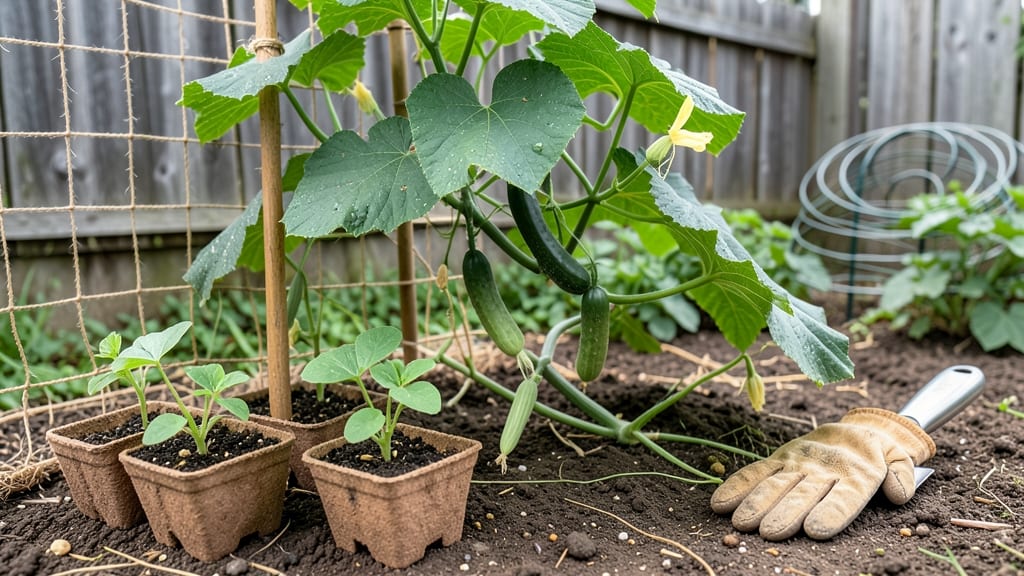
Planting cucumbers in Florida isn’t just about grabbing seeds and sticking them in the dirt—it’s a microclimate dance between heat, humidity, and bolting risks. Unlike northern gardens, Florida’s year-round growing window means your timing depends on whether you’re in the Panhandle’s cooler pockets or the Keys’ tropical heat.
Most gardeners assume "spring and fall" is the golden rule, but that’s too broad for Florida’s 9a-11 zones.
In North Florida, you’ll want to start cucumbers 🥒 as early as February to beat the summer’s relentless sun, while South Florida gardeners can plant almost anytime—except during hurricane season when soil saturation becomes a problem.
Here’s the game-changer: soil temperature matters more than calendar dates. Cucumbers need 60°F+ soil to thrive, which means black plastic mulch can shave weeks off your planting timeline. I’ll show you exactly how to sync your schedule with Florida’s three distinct planting zones—no more guessing games.
Skip the generic advice and learn the exact months that work for your corner of Florida, plus how to stretch your harvest through summer’s brutal heat. Let’s get those vines growing—and keep them producing—without the common mistakes that waste your effort.
Florida’s 3 microclimates for cucumber planting: exact months to avoid bolting
Florida’s cucumber planting calendar isn’t one-size-fits-all—your zip code determines success. The state’s three distinct microclimates (North, Central, and South) create wildly different soil temperature triggers and bolting risks.
In North Florida (Panhandle), cooler nights in spring demand earlier starts, while South Florida (Miami) can plant nearly year-round thanks to warm winters.
Cucumbers thrive when soil hits 60°F+, but bolting (premature flowering) strikes when days get too long or hot. In Central Florida, this means May-June heat can ruin crops if planted too early. Let’s break down your exact planting windows by region to avoid these pitfalls.
North Florida’s cooler winters mean you can start cucumber seeds indoors in February for transplanting by March 15. Use row covers if nights dip below 50°F—even Florida’s mild winters can stress young vines.
In Central Florida, aim for February 1 starts, but watch for palm fronds rattling (hurricane season’s early warning)—delay planting if storms are forecasted.
South Florida’s tropical advantage lets you plant year-round, but summer bolting is real. Shade cloth (30–50% coverage) during June–August keeps vines productive. My Miami garden yields 3x more cucumbers in fall (September–November) because humidity drops and pests decline.
Pro tip: Test soil 2 inches deep with a thermometer—wait until it hits 60°F+ consistently before planting. Cold soil delays germination, while overheated soil (>90°F) causes root burn. Use straw mulch in summer to keep roots cool.
For coastal areas (like Naples or Jacksonville), salt spray can damage leaves. Rinse plants with fresh water after storms, and choose salt-tolerant varieties like ‘Marketmore 76.’ Inland areas (Ocala or Kissimmee) face drier heat—drip irrigation is a must to prevent bitter fruit.
Remember: Florida’s no-frost rule is a double-edged sword. Without winter dormancy, cucumbers grow faster but exhaust soil nutrients quicker. Rotate planting spots yearly to prevent disease buildup from powdery mildew or cucumber beetles.
How to extend your cucumber season: succession planting strategies for Florida heat
Florida’s year-round growing season means you can enjoy fresh cucumbers almost anytime, but summer heat can cause vines to bolt or produce bitter fruit. The secret? Succession planting—staggering your plantings every 2–3 weeks to keep a steady harvest.
This method works especially well for heat-tolerant varieties like ‘Straight Eight’ or ‘Southern Sweet,’ which thrive in Florida’s climate.
Start your first batch in early spring (March) when soil temperatures hit 60°F+. Then, plant another round in late summer (August) to take advantage of cooling rains. For coastal areas like Miami, you can even squeeze in a winter planting (January) with shade cloth protection.
The key is to avoid planting all at once—this ensures you always have young, productive vines instead of exhausted ones.
To protect your vines from Florida’s intense sun, use 30–50% shade cloth during the hottest months (June–July). This reduces soil temperatures and prevents bolting. Pair it with black plastic mulch to warm the soil faster in spring or keep roots cool in summer.
For containers, choose heat-tolerant varieties like ‘Armenian’ cucumbers, which handle Florida’s humidity better than traditional types.
Don’t forget to hand-pollinate if you notice flowers but no fruit. Gently shake vines in the morning or use a small brush to transfer pollen. This is especially critical in humid coastal areas where pollinators like bees are less active.
With these strategies, you can enjoy homegrown cucumbers from spring through fall—no bolting, no bitterness, just fresh, crisp fruit all season long!
Pro tip: Save seeds from your best-performing vines to create a Florida-adapted variety over time. Local seeds often thrive better than store-bought ones in our unique climate. Happy planting!