
Plants
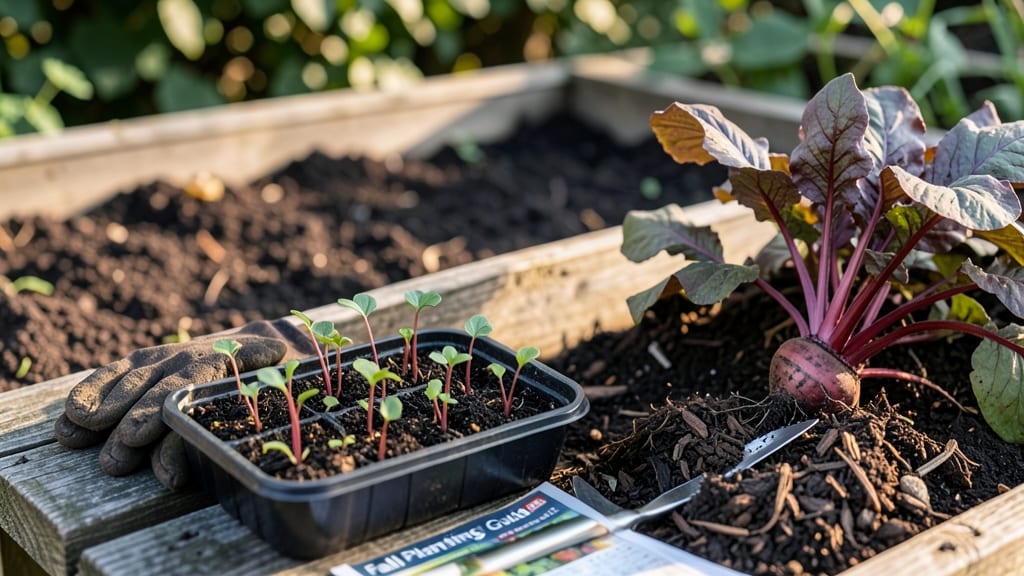
If you’ve ever planted beets in Central Florida only to watch them bolt into bitter greens before forming sweet roots, you’re not alone. The key to growing tender 🍠 all season lies in understanding the perfect timing—and it’s not what most guides suggest for colder climates.
Central Florida’s warm winters and long summers mean traditional planting advice won’t cut it. While northern gardeners plant beets in spring, your 9a-10a zone demands a different approach: focus on fall and early spring windows when temperatures stay mild.
I’ll show you exactly when to start seeds for zero-bolt harvests, whether you’re in Orlando’s humidity or Tampa’s coastal breezes.
We’ll break down the two ideal windows—September to November and February to March—and how to adjust for microclimates. Skip the guesswork and learn how to time your plantings for consistent harvests from November through June, even in Florida’s heat.
Ready to grow beets that stay sweet and tender? Let’s dive into the Central Florida-specific schedule that actually works—no more wasted seeds or bitter surprises.
Central Florida beet planting calendar: exact months for zero-bolt harvests
Central Florida’s mild winters and long growing seasons make beets a fantastic year-round crop—but only if you plant them at the right time. Unlike northern climates, we don’t have to worry about frost, but heat and humidity can still cause bolting (when beets flower prematurely and become bitter).
The key is planting when soil temperatures stay between 50-75°F, which gives you two ideal windows: fall and early spring.
For most of Central Florida (including Orlando, Tampa, and Gainesville), the best planting months are September through November for fall harvests and February through March for spring. These windows align with cooler temperatures and lower humidity, reducing bolting risks.
Even in our frost-free zone, late summer heat (June-August) can stress beets, so avoid planting then unless you’re using shade cloth.
Here’s the breakdown of your Central Florida beet planting calendar, including soil temperature thresholds and regional adjustments:
| Season | Planting Window | Soil Temp (°F) | Harvest Window | Key Notes |
|---|---|---|---|---|
| Fall | September–November | 50–75°F | November–January | Best for zero-bolt harvests; cooler temps prevent bolting. |
| Early Spring | February–March | 60–75°F | May–June | Warmer but less humid; ideal for heat-tolerant varieties. |
| Late Summer (Risky) | August (with shade) | 75–85°F | September–October | Only attempt with shade cloth; bolting likely without protection. |
If you’re in Tampa’s coastal microclimate, you can push fall planting slightly later (up to mid-November) thanks to warmer ocean breezes. Meanwhile, Gainesville’s inland climate may need earlier starts (as early as August) to avoid summer heat stress.
Always check your local soil temperature—use a soil thermometer or follow the 50°F threshold for germination.
For succession planting, sow new seeds every 2–3 weeks during your chosen window to ensure a continuous harvest. This works especially well in fall, where you can stagger plantings from September through November for beets ready to harvest through January.
Just remember: overcrowding leads to small, misshapen roots, so thin seedlings to 3–4 inches apart once they’re 2 inches tall.
One common mistake in Central Florida is planting too late in spring (after March). By then, the heat and humidity ramp up quickly, and beets bolt faster. Instead, opt for heat-tolerant varieties like ‘Boltardy’ or ‘Detroit Dark Red’ if you’re determined to try late spring plantings.
Pair them with daily shade cloth during peak afternoon sun (12 PM–4 PM) to buy extra time.
Pro tip: Test your soil’s pH before planting—beets thrive in 6.0–7.0 pH. Central Florida’s sandy soils often need compost or aged manure to retain moisture and nutrients. Mix in 2–3 inches of organic matter before sowing to give your beets the best start.
Finally, avoid planting in waterlogged soil, especially during our summer rains. Beets are drought-tolerant once established, but they hate soggy roots, which can lead to rot. Amend heavy clay areas with sand or perlite to improve drainage.
Microclimate adjustments: how Tampa vs. Orlando vs. Gainesville affect beet success
Central Florida’s three distinct microclimates—Tampa’s coastal warmth, Orlando’s inland humidity, and Gainesville’s cooler highlands—each demand unique beet-planting strategies. Ignoring these differences can lead to bolting or stunted growth, even within the same 9a-10a zone. Let’s break down how to adapt your timing and care for each region’s quirks.
In Tampa, the Gulf Coast’s extended fall warmth lets you push beet plantings later than Orlando. While Orlando gardeners might start seeds in mid-September, Tampa’s milder evenings allow early October sowings—giving you a two-week harvest window advantage.
The trade-off? Tampa’s higher humidity increases fungal risks, so prioritize well-draining soil and avoid overhead watering.
Orlando’s inland heat islands create a Goldilocks zone for beets: not too hot, not too humid. This makes it the sweet spot for spring plantings (February-March), where soil warms steadily without sudden spikes. However, Orlando’s summer downpours can stress young seedlings—use drip irrigation to maintain consistent moisture without soggy soil.
| Factor | Tampa | Orlando | Gainesville |
|---|---|---|---|
| Ideal Planting Window | Early Oct–Nov | Mid-Sept–Oct | Late Sept–Nov |
| Spring Start | Feb 20–March 10 | Feb 1–March 15 | Jan 20–Feb 20 |
| Biggest Risk | Fungal diseases | Bolting from heat | Slow growth in cool spells |
| Soil Prep Tip | Add compost + sand | Mulch heavily | Raise beds slightly |
Up in Gainesville, cooler nights and lower humidity let you start seeds earlier in fall (late September) and even experiment with winter plantings (December-January) if you use row covers.
The trade-off? Gainesville’s soil stays cooler longer, slowing germination. To compensate, soak seeds overnight before planting and use black plastic mulch to warm the soil faster.
Regardless of location, succession planting every 2-3 weeks within these windows ensures a continuous harvest. For example, in Orlando, sow seeds September 15, October 1, and October 15 to stagger maturity and avoid glutting your kitchen. The key? Monitor soil temps—beets thrive when soil stays between 50–75°F.
Pro tip: Use shade cloth (30-50%) during Tampa’s late spring (April-May) to prevent bolting if you’re tempted to plant early. In Gainesville, cold frames can extend winter harvests by 4-6 weeks.
Adapt these microclimate tweaks, and you’ll enjoy sweet, tender beets from November through June—no matter where in Central Florida you garden.