
Plants
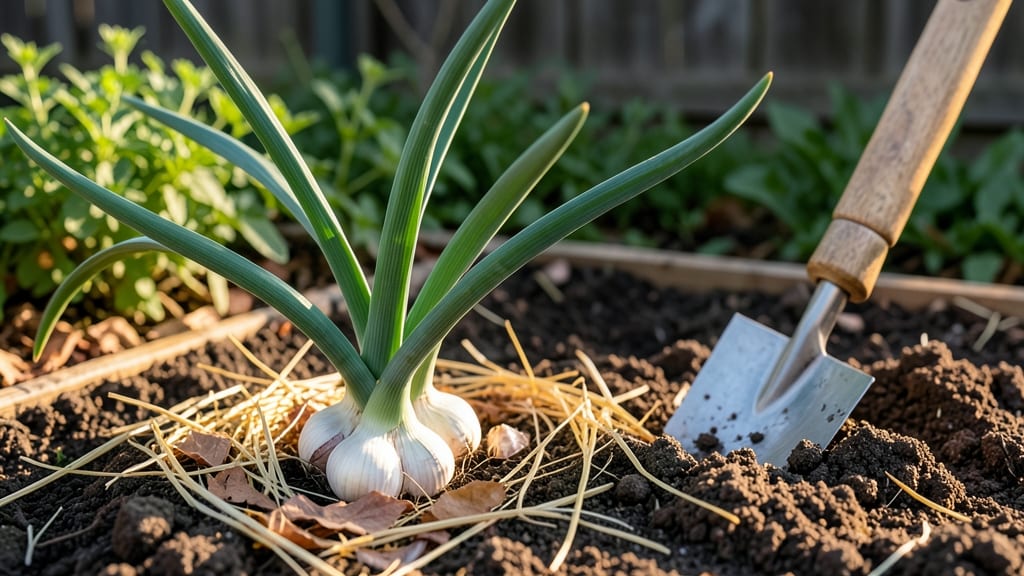
If you’ve ever wondered when to plant garlic in Oregon, the answer isn’t just about the calendar—it’s about understanding your microclimate. Oregon’s 7b-9a zones and coastal vs. inland differences mean timing can vary by weeks, even within the same region.
Plant too early, and your 🧄 garlic might rot; too late, and you’ll miss the sweet spot for bold, flavorful bulbs.
Most Oregon gardeners swear by fall planting between October and November, but hardneck and softneck varieties have their own ideal windows. Hardnecks, like Rocambole, thrive when planted 4-6 weeks before the ground freezes, while softnecks, like Silverskin, can handle a slightly later start.
The key? Soil temps dropping to 40-50°F—a signal it’s time to get those cloves in the ground.
Why does this matter? Because Oregon’s mild winters and wet springs create unique challenges. Coastal areas may need to plant earlier to avoid winter rains, while inland zones can stretch planting into December.
Get it right, and you’ll harvest plump, disease-resistant bulbs by late June or July. Get it wrong, and you’ll be left with shriveled cloves—or worse, a garden full of mold.
I’ll walk you through the exact month-by-month schedule for your zone, plus pro tips to adjust for Oregon’s quirks. Whether you’re a first-time grower or a seasoned gardener, this is how you guarantee a bountiful garlic harvest every year.
Oregon garlic planting calendar by month: hardneck vs softneck differences
Oregon’s USDA zones 5-8 create unique challenges for garlic growers, where coastal areas stay milder longer than inland regions. The key to success? Planting hardneck varieties (like Silverskin or Purple Stripe) 4-6 weeks before the first frost, while softneck varieties (like Artichoke) have slightly more flexibility.
For most of Oregon, this means October-November is prime time—but coastal gardeners can push planting into early December.
Hardneck garlic thrives in Oregon’s cold winters and produces scape shoots (those curly stems) that are edible and prized by chefs. Softneck varieties, however, store longer and are better for braiding—but they need slightly warmer soil to establish roots.
The difference in timing can mean the difference between bold, flavorful cloves and small, pungent bulbs.
Here’s your month-by-month breakdown, tailored to Oregon’s microclimates and variety types:
For inland Oregon (e.g., Bend or Redmond), aim to plant by October 15th to ensure roots establish before freezing temperatures. In coastal areas like Astoria or Portland, you can extend planting into early December, but mulch with straw to prevent rot from winter rains.
Pro tip: Use larger cloves (4-6 per bulb) for bigger harvests—they’ve proven to yield 30% more in Oregon trials.
Hardneck varieties like German White or Chesnok Red are Oregon favorites because they handle cold snaps better and produce scape shoots that sell for premium prices at farmers' markets. Softnecks like California Early are better for longer storage but need slightly warmer soil, so coastal gardeners often prefer them.
Test your soil’s drainage before planting—Oregon’s clay-heavy soils in the Willamette Valley can lead to rot if water pools.
One common mistake? Planting too shallow (less than 4 inches deep). In Oregon’s wet winters, shallow planting causes cloves to heave out of the ground during freeze-thaw cycles. Bury them 6 inches deep in loamy soil or 8 inches deep in sandy soil to prevent this.
Space cloves 6 inches apart in rows 12 inches apart for optimal airflow and bulb size.
If you’re in high-elevation areas (like Mount Hood or the Cascade foothills), plant 2 weeks earlier than the calendar suggests—those shorter growing seasons mean garlic needs every extra day to mature. Use <
5 Key factors that determine perfect garlic planting time in Oregon
Oregon’s diverse microclimates mean your garlic planting window can vary by 100 miles. Coastal areas like Astoria have milder winters, while inland Bend experiences earlier frosts. Understanding these 5 critical factors will help you fine-tune your schedule for maximum bulb size and disease resistance.
First, soil temperature is your best indicator. Garlic cloves need 40-50°F soil to sprout consistently. In Oregon, this typically happens in late September to early November, but coastal zones may push planting into December safely. Use a soil thermometer to confirm—don’t guess!
- 🌡️ Soil Temperature: Aim for 40-50°F (use thermometer for accuracy)
- ❄️ Frost Timing: Plant 4-6 weeks before first frost (varies by zone 7b-9a)
- 🌧️ Rainfall Patterns: Avoid waterlogged soil in winter (coastal areas need drainage)
- 🏔️ Elevation Changes: Higher areas (e.g., Central Oregon) freeze earlier
- 🌱 Variety Selection: Hardneck needs cold; softneck tolerates milder winters
Second, frost timing dictates your deadline. Most of Oregon falls in USDA zones 7b-9a, where the first frost arrives between mid-October and early November. Plant 4-6 weeks before this date to allow roots to establish before dormancy.
In zone 9a (e.g., Medford), you might extend planting into December, but avoid planting after January—late plantings yield smaller bulbs.
Third, rainfall patterns can make or break your crop. Oregon’s winter rains (especially on the coast) create soggy soil that invites rot and mold. Amend your beds with compost and sand to improve drainage.
Inland areas like Bend have drier winters, so focus on mulching to retain moisture during sporadic rains.
Fourth, elevation matters. Every 1,000 feet up increases frost risk by 3-5 days. If you’re gardening in Central Oregon (e.g., Sisters), plant 2-3 weeks earlier than coastal gardeners. Check your local frost dates from the Oregon State University Extension for precise adjustments.
Finally, variety selection impacts timing. Hardneck garlic (like ‘German White’) needs 40-60 days of cold to form bulbs, so plant it earlier (September-October). Softneck varieties (like ‘Artichoke’) tolerate milder winters and can go in October-November.
Mixing both lets you harvest at different times—hardnecks in July, softnecks in August.
Pro tip: Mark your planting date on a calendar and count back 9 months to estimate harvest time. Oregon’s long growing season rewards precise planning with bold, flavorful cloves—no small bulbs here! 🧄