
Companion Plants
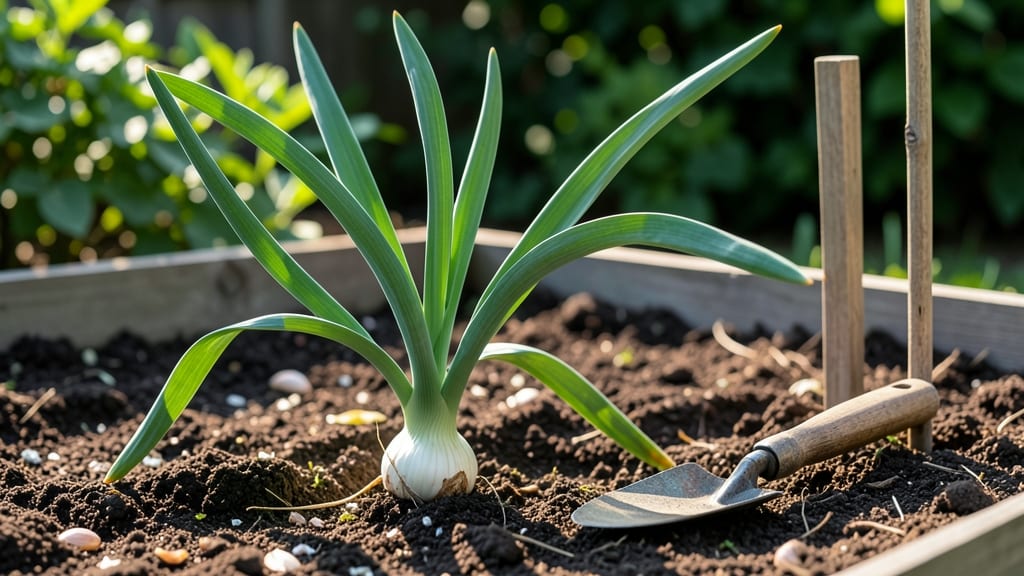
If you’ve ever wondered when to plant garlic in Zone 6 and ended up with tiny bulbs—or worse, no harvest at all—you’re not alone. The secret to growing plump, flavorful 🧄 lies in planting at the perfect moment, not just guessing at the calendar.
Timing is everything, especially in Zone 6 where winters can be unpredictable. Plant too early, and your cloves might rot before the ground freezes. Too late, and your garlic won’t mature before summer heat arrives.
I’ll break down the exact window—October to November—and how to adjust for your local frost patterns.
You’ll also discover how soil temperature plays a bigger role than most gardeners realize, plus the best spacing tricks to maximize your harvest. Whether you’re a first-time planter or a seasoned gardener, these insights will help you grow garlic that’s bigger, healthier, and ready by late June.
Ready to ditch the guesswork? Let’s get your garlic planted the right way—so you can enjoy homegrown flavor all year long.
Best planting months for garlic in Zone 6: science-backed timing
Garlic thrives in Zone 6 when planted during its dormant season, which means late fall is your golden window. The ideal timeframe is mid-October to mid-November, giving your cloves 4-6 weeks to establish roots before the ground freezes.
This timing ensures they’ll sprout in early spring and mature by summer’s end.
Why late fall? Garlic needs cold stratification—a period of cool temperatures—to develop properly. Planting too early (like September) risks rotting, while planting too late (December) may not give roots enough time to anchor before winter sets in.
Soil temperature is the real secret. Aim for 40-50°F when planting—this is your cue that conditions are perfect. Use a soil thermometer to check; if temps drop below freezing, your garlic will still survive, but growth slows dramatically until spring.
In Zone 6, your last frost typically arrives in mid-November, so plan to plant garlic 4-6 weeks before that date. For example, if your first frost hits November 15th, plant between October 15th and November 1st to stay safe.
| Planting Window | Soil Temp | Key Action | Zone 6 Note |
|---|---|---|---|
| Mid-October | 40-50°F | Plant cloves 4" deep, pointed end up | Best for early frosts |
| Late October | 35-45°F | Add mulch (straw) to insulate | Ideal for average winters |
| Early November | 30-40°F | Plant deeper (5-6") for extra protection | Works if ground freezes late |
| December (last resort) | Below freezing | Use row covers or cold frames | Risky; may not sprout well |
🌱 Pro Tip: Test soil moisture before planting—it should be damp but not soggy.
Microclimates matter in Zone 6. If you live in a warmer microclimate (like near a south-facing wall), plant garlic slightly earlier (early October). Conversely, in cooler areas (valleys or shaded spots), delay until late October to avoid premature sprouting.
Spring planting is possible but not recommended for Zone 6. Garlic planted in spring often produces smaller bulbs because it misses the cold stratification period. If you must try it, plant in early March for a late-summer harvest—but expect less flavor and size.
Moon phases can influence planting success. For best results, plant garlic during the waning moon (when the moon is shrinking) to encourage root growth. Check a lunar calendar for your region to align your planting with the moon’s cycles.
After planting, mark your garlic rows with biodegradable flags or a garden map. Come spring, you’ll forget where you planted them under mulch, and accidentally dig up your onions or carrots instead!
Finally, don’t overlook spacing. Plant cloves 4-6 inches apart in rows spaced 12 inches apart. This gives bulbs room to expand and reduces disease risk from overcrowding.
How to adjust garlic planting for Zone 6’s unpredictable winters
Zone 6’s winters can throw off even the most experienced gardener’s timing. One year, you might get a mild winter with delayed freezes, while the next could bring early snow by Halloween.
The key is flexibility—adjusting your planting window based on soil temperature and frost predictions rather than sticking to a rigid calendar.
Most gardeners in Zone 6 aim for October to early November, but if your area has a history of early freezes, you may need to plant as early as mid-September.
Conversely, if winters are unusually warm, you could extend planting into December—just ensure the ground doesn’t stay above 40°F (4°C) for long stretches.
Here’s how to fine-tune your approach: Monitor soil temperatures using a thermometer. Garlic cloves need 4-6 weeks of cold exposure (below 40°F/4°C) to form bulbs properly. If your soil stays warm, your garlic might bolt or produce small cloves.
Use straw mulch (4-6 inches) to insulate the soil and protect cloves from freeze-thaw cycles, which can damage emerging roots.
⚠️ Warning: Avoid Planting Too Early
Planting garlic in August or early September risks rot before winter sets in. Cloves need time to establish roots but won’t tolerate soggy soil. Wait until soil temps drop below 70°F (21°C) and nights are consistently cool.
For mild winters, consider a backup planting in late winter (February) if your area rarely drops below freezing. Use hardneck varieties, which tolerate cooler soils better than softneck types. Just be prepared to harvest earlier, as spring-planted garlic may not reach full size.
If you’re in a high-altitude area within Zone 6 (e.g., mountainous regions), plant 2-3 weeks earlier than coastal areas, as cold air settles faster. Conversely, urban heat islands may delay frost—check local USDA frost maps or ask fellow gardeners for insights on microclimates in your neighborhood.
Pro tip: Keep a planting journal to track soil temps, frost dates, and harvest results. Over time, you’ll spot patterns unique to your yard.
For example, my Zone 6 garden in western Pennsylvania often gets a false spring in March, so I mark my calendar to avoid planting too soon after the ground thaws.