
Plants
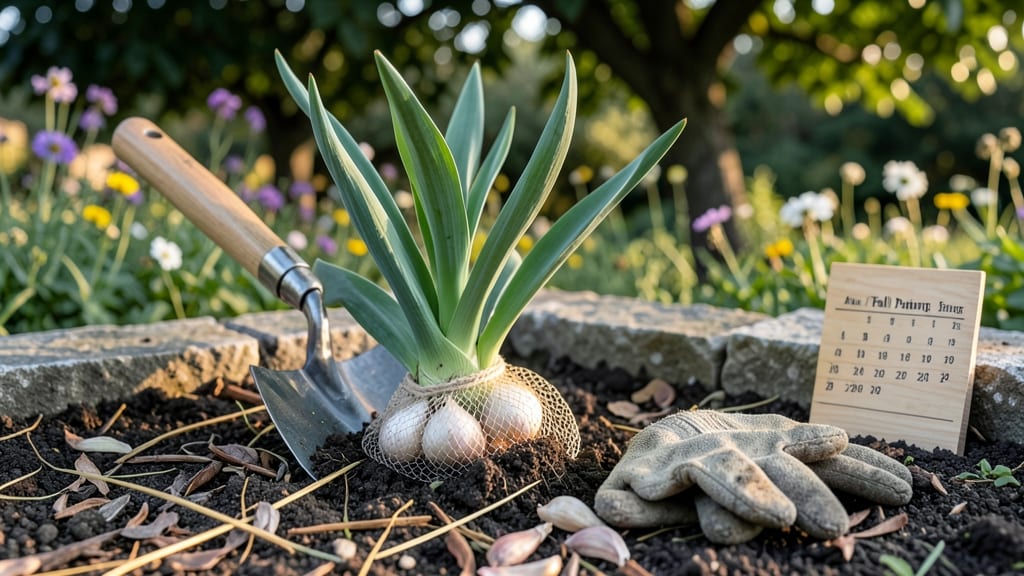
If you've ever wondered when to plant garlic in Tennessee for that perfect harvest, timing is everything—and getting it wrong could mean the difference between bold, flavorful bulbs and a disappointing flop.
Tennessee's 6a-7b climate gives you a narrow window to plant 🧄 just right, whether you're growing hardneck varieties in the cooler mountains or softneck in the milder valleys.
The secret lies in planting between October and November, when soil temperatures drop but before the ground freezes. This cool-season crop needs 4-6 weeks to establish roots before winter sets in, so don't wait too late—or risk rot.
Hardneck garlic, with its robust flavor, thrives in Tennessee's chilly winters, while softneck prefers slightly milder conditions.
You'll want to avoid planting too early, as garlic needs vernalization (a cold period) to form bulbs. Most Tennessee gardeners swear by mid-October as the ideal start, but your exact timing depends on whether you're in the mountains or flatlands.
First frost dates vary, so check your local USDA zone for precision.
In this guide, I'll break down the exact months for hardneck vs. softneck varieties, how to prep your soil, and why fall planting sets you up for a late June-July harvest the following year. Let's get those cloves in the ground the right way!
Tennessee garlic planting calendar: hardneck vs softneck months explained
If you're a Tennessee gardener, choosing the right time to plant garlic depends on whether you're growing hardneck or softneck varieties. These two types have different needs, especially in our USDA zones 6a-7b.
Hardnecks thrive in cooler climates like East Tennessee, while softnecks prefer milder West Tennessee conditions. For both, timing is critical to avoid rot or stunted growth.
In Tennessee, the ideal planting window is between mid-October and November, giving your garlic enough time to establish roots before winter. This timing aligns with our first frost dates, which typically arrive in mid-October in most regions.
Planting too early can lead to premature sprouting, while waiting too long risks insufficient root development before the ground freezes.
Hardneck varieties like Rockville or German White are best suited for Tennessee's cooler mountain regions (USDA zones 6a-6b). These varieties need a cold period to form bulbs, making fall planting essential.
Softnecks, such as Silverskin or Artichoke, are more adaptable to warmer areas like West Tennessee (USDA zones 7a-7b) and can sometimes be planted as late as early December.
Here’s how the planting windows break down for both types in Tennessee:
| Variety Type | Best Planting Months | USDA Zones | Key Notes |
|---|---|---|---|
| Hardneck | October (early to mid) | 6a-6b (East TN) | Needs cold for bulb formation; plant 4-6 weeks before first frost. |
| Softneck | October-November (or early Dec in mild zones) | 7a-7b (West TN) | More flexible; tolerates slightly warmer soils. |
| Both | Avoid planting after December | All zones | Late planting risks poor root establishment before winter. |
For East Tennessee gardeners in zones 6a-6b, aim to plant hardnecks by October 15th to ensure they develop strong roots before the ground freezes. In West Tennessee (zones 7a-7b), you have a bit more flexibility, but planting softnecks by November 1st is ideal.
If you miss this window, you can try planting in early December, but yields may be smaller.
One common mistake is assuming all garlic varieties can be planted the same way. Hardnecks require a cold vernalization period (4-6 weeks below 40°F) to form bulbs, while softnecks are more forgiving.
If you live in a warmer microclimate, like Nashville’s urban areas, softnecks are your best bet for reliable harvests.
Pro tip: Use a soil thermometer to check that soil temperatures are below 70°F before planting. This ensures your cloves won’t sprout too quickly. For extra protection, add a 2-3 inch layer of mulch after planting to insulate the soil and retain moisture during winter.
Remember, garlic is a cool-season crop, so it thrives in Tennessee’s winter chill. By planting at the right time, you’ll set yourself up for a bold harvest in late June or July of the following year—just in time for summer cooking! 🧄
5 Critical factors that determine your best planting date in Tennessee
Timing your garlic planting isn't just about picking a month—it's about understanding 5 key factors that make or break your harvest in Tennessee's diverse climate. From USDA Zone 6a-7b variations to elevation shifts between the mountains and flatlands, each detail matters.
Let's break down how to calculate your perfect planting window using science-backed gardening principles.
First, check your local first frost date. Tennessee's first frost typically hits between mid-October (East TN) and late October (West TN). Planting garlic 4-6 weeks before this date gives roots time to establish before winter dormancy.
For example, if frost arrives October 15th, aim for planting between September 20th and October 5th—this window works for both hardneck and softneck varieties.
Soil Temperature
Garlic thrives when soil temps are 40-50°F. Use a soil thermometer to confirm—if temps are below 32°F, mulch heavily to protect cloves. In Tennessee, this usually means planting by November 1st in most regions.
Elevation Differences
High-elevation areas (like the Great Smoky Mountains) get frost 2-3 weeks earlier than lowlands. Adjust planting dates by 10-14 days later if you're above 2,000 feet. For example, plant in late October in Knoxville but stick to early October in Memphis.
Variety Maturity
Hardneck varieties (like 'Music' or 'German White') need 270-300 days to mature, while softnecks (like 'Silverskin') take 240-270 days. Plant hardnecks 2 weeks earlier than softnecks to ensure both harvest in late June-July.
Moon Phases
Planting during a waxing moon (when roots grow downward) can boost bulb development. Check lunar calendars—aim for October's waxing gibbous phase (around October 10-15) for optimal results in Tennessee.
Finally, consider your local microclimate. Urban areas like Nashville may have warmer pockets that delay frost, while rural zones might need earlier planting. Always test a small batch of cloves to fine-tune your timing—this hands-on approach beats guessing.
With these factors in mind, you'll be ready to plant garlic at the perfect Tennessee moment for a harvest that rivals any farmer's market find. 🌱