
Plants
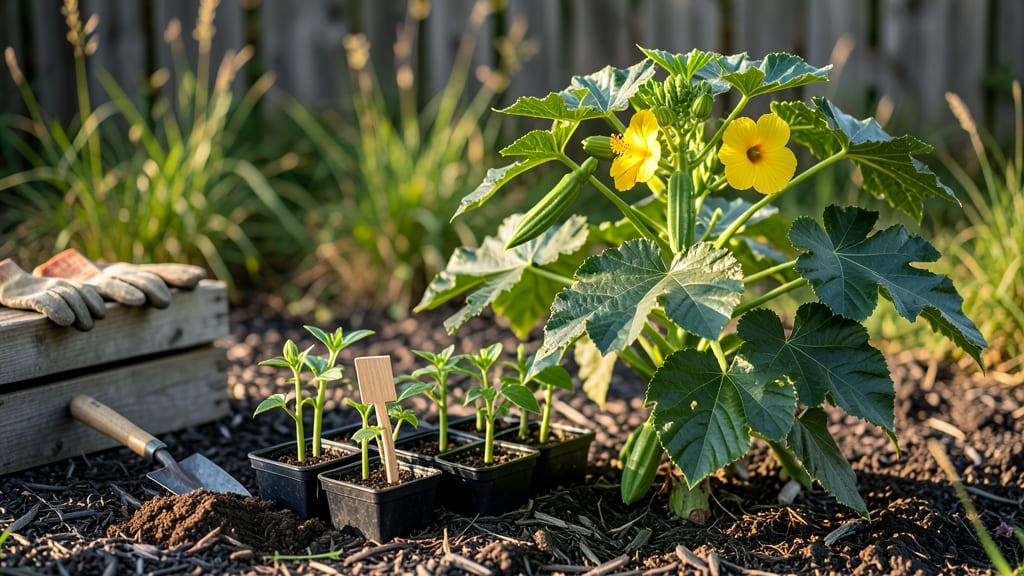
Planting okra in Oklahoma isn’t just about timing—it’s about beating the heat before your plants bolt into oblivion. With the right spring window (mid-April to early June), you can turn this Southern staple into a thriving garden gem instead of a missed opportunity.
Oklahoma’s USDA Zones 6b-7a mean frost can linger until mid-April, but okra 🌱 thrives only when soil hits 60°F and stays reliably warm. That’s why waiting for those last frost dates isn’t enough—you’ve got to play the long game with heat-loving varieties that won’t wilt under Oklahoma’s 90°F+ summers.
I’ve grown okra here for years, and the difference between a bountiful harvest and a sad, stunted plant often comes down to one thing: planting too early. Let me show you exactly how to time it right, from soil prep to choosing the toughest varieties for Oklahoma’s climate quirks.
Whether you’re in northern Oklahoma’s cooler pockets or the sweltering south, these strategies will help you avoid the #1 mistake gardeners make—and start harvesting pods by July. Ready to turn your garden into an okra powerhouse?
Optimal planting dates for okra in Oklahoma’s climate zones
Okra thrives in Oklahoma’s long, hot summers, but timing is critical—plant too early, and frost will kill tender seedlings. Too late, and your crop may bolt before producing pods.
The ideal window spans mid-April to early June, after the last frost date and when soil temperatures hit at least 60°F. Northern Oklahoma (USDA Zone 6b) has a shorter season, while Southern Oklahoma (Zone 7a) enjoys an extra month of growth.
Use Oklahoma’s last frost date calculator (available from the Oklahoma State University Extension) to pinpoint your exact start date. Most regions experience their final frost between March 15 and April 15, but microclimates near lakes or elevation changes can delay frost by 1–2 weeks.
For precision, wait until nighttime temperatures consistently stay above 50°F before sowing.
Okra is a warm-season crop, so don’t rush—cool soil slows germination. If you’re eager to start, use black plastic mulch to warm the soil 2–3 weeks faster.
This trick is especially useful in northern Oklahoma, where springs can linger chilly. For container growers, pre-warm seeds indoors 7–10 days before the last frost to jumpstart growth.
🌱 Okra Planting Timeline for Oklahoma
| Region | Last Frost Date | Optimal Planting Window | Soil Temp Threshold | Harvest Start |
|---|---|---|---|---|
| Northern OK (Zone 6b) | April 1–15 | Mid-April to late May | 60°F+ | Late July |
| Central OK (Zone 7a) | March 20–April 5 | Early April to early June | 60°F+ | Mid-July |
| Southern OK (Zone 7a) | March 15–April 1 | Late March to mid-June | 60°F+ | Early July |
💡 Pro Tip: Southern Oklahoma gardeners can extend harvests by planting successive crops every 2 weeks until early July.
For early varieties like ‘Emerald,’ aim for mid-April planting—these mature in 50–55 days, giving you pods by late June. Late varieties (e.g., ‘Clemson Spineless’) take 60–75 days, so plant them by early June to harvest through October.
If you’re in Zone 6b, prioritize fast-maturing varieties to avoid early bolting.
Okra’s heat tolerance makes it perfect for Oklahoma, but bolt-resistant varieties (like ‘Arkansas 5’) are worth the investment if your summer brings unexpected heatwaves. These varieties delay flowering until temperatures stabilize, ensuring a longer harvest window.
Pair them with drought-resistant mulch (like straw) to retain moisture during 90°F+ spells—common in July and August.
If you miss the spring window, don’t despair—okra is tough enough to handle Oklahoma’s heat even when planted in early June. Just be prepared for slower initial growth and shorter harvests.
For a second crop, sow seeds in late July if your first planting bolts early. Use shade cloth (30–50%) to protect seedlings from intense afternoon sun during these late plantings.
Monitor soil moisture closely after planting—okra roots need consistent hydration to establish. In sandy soils (common in western Oklahoma), water every 2–3 days until plants are 12 inches tall.
In clay soils (eastern Oklahoma), reduce to every 3–4 days to prevent root rot. A soil moisture meter is your best friend here—aim for 60–70% moisture at planting depth.
Okra’s fast growth (3–5 feet in 6–8 weeks) means you’ll see rapid progress if conditions are right. In optimal Oklahoma summers, expect harvests starting in July and continuing until first frost (typically November 1–15).
For a last-minute boost, apply a balanced fertilizer (10-10-10) when plants hit 18 inches tall—this encourages bushier growth and more pods. Just avoid over-fertilizing, or you’ll get leafy growth instead of pods!
🌡️ Key Takeaway: Plant okra in Oklahoma after last frost (April–early June), when soil is 60°F+, and choose heat-resistant varieties for maximum yield. Northern regions should stick to early varieties, while Southern gardeners can push to mid-June for extended harvests.
Optimal planting dates for okra in Oklahoma’s climate zones
Oklahoma’s USDA Zones 6b-7a create a tricky balance for okra growers. While northern regions like Oklahoma City may see last frosts by April 15, southern areas like Tulsa often hit frost-free by March 20.
The key isn’t just avoiding frost—it’s waiting for soil temperatures to consistently reach 60°F.
For most of Oklahoma, the ideal planting window runs from mid-April to early June. This gives your okra plants time to establish roots before Oklahoma’s 90°F+ summers kick in.
Planting too early risks stunted growth from lingering cool nights, while waiting too late may mean your plants bolt before producing pods.
📅 Last Frost Dates by Region:
- Northern OK (Oklahoma City, Stillwater): Last frost April 15 (plant April 20-May 15)
- Central OK (Norman, Edmond): Last frost April 1 (plant April 10-May 10)
- Southern OK (Tulsa, Lawton): Last frost March 20 (plant March 25-April 15)
🌱 Okra Planting Timeline for Oklahoma
| Region | Last Frost Date | Optimal Planting Window | Soil Temp Threshold |
|---|---|---|---|
| Northern OK | April 15 | April 20 - May 15 | 60°F+ |
| Central OK | April 1 | April 10 - May 10 | 60°F+ |
| Southern OK | March 20 | March 25 - April 15 | 60°F+ |
💡 Pro Tip: Use a soil thermometer to confirm temperatures—okra won’t thrive below 60°F.
For early varieties like 'Emerald,' you can push the envelope by planting as early as mid-March in southern Oklahoma, but be prepared to use row covers for protection against late frosts.
In contrast, late varieties like 'Jumbo Green' can handle planting up to early June and still produce pods before Oklahoma’s first frost in November.
One critical mistake I see often is planting okra too close to the last frost date. Even if the air warms up, cool soil will stunt your plants. Always check soil temperature—it’s the real indicator, not just calendar dates.
Use a frost-free date calculator (like the one from the National Weather Service) to get hyper-localized timing for your specific Oklahoma county.
If you’re in Zone 6b (northern Oklahoma), consider starting seeds indoors in late March and transplanting after the last frost. This gives your okra a 2-week head start on the growing season.
For Zone 7a (southern Oklahoma), direct sowing after March 25 works perfectly—just be ready to mulch heavily to retain moisture during Oklahoma’s dry springs.
Remember, okra is a fast grower—it can go from seed to harvest in just 50-60 days under ideal conditions. That means timing your planting so pods appear by July is key to avoiding the end-of-summer heat slump that can reduce yields.
With these dates locked in, you’re ready to move on to variety selection—the next step in Oklahoma okra success!