
Plants
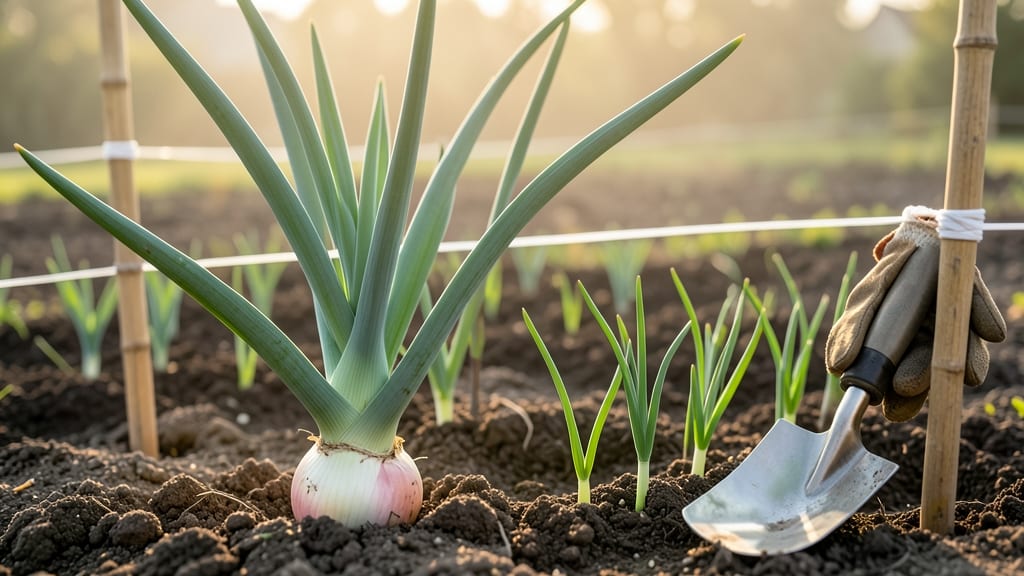
If you’ve ever stared at a bag of onion sets in March wondering when do you plant onions in Michigan—or risked bolting onions by waiting too long—you’re not alone.
Planting onions in Michigan isn’t just about the calendar; it’s about matching your variety to the 5b-6b climate and avoiding the heat that turns sweet bulbs bitter.
Here’s the game-changer: short-day onions (like Texas Early White) thrive when planted in early April, while long-day types (such as Yellow Globe) need to go in by late March to mature before summer’s punch.
Skip the guesswork—timing this right means the difference between a harvest of golden, flavorful 🧅 and a garden full of flower stalks.
I’ll walk you through the exact planting windows, soil prep tricks, and how to adjust for Michigan’s unpredictable frosts. Whether you’re a first-timer or a seasoned gardener, these steps will help you dodge bolting and maximize your yield—no matter which month you start.
Ready to turn your onion patch into a reliable, year-after-year staple? Let’s get those sets in the ground the right way.
Michigan onion planting calendar by variety: short-day vs long-day types
Michigan’s USDA zones 5b-6b create unique challenges for onion growers. The Great Lakes climate means rapid temperature swings, and choosing the wrong onion variety can lead to bolting—when onions flower prematurely instead of bulbing. The key? Matching your planting dates to the day-length requirements of your onion type.
Onions fall into three categories: short-day (southern varieties), intermediate-day, and long-day (northern varieties). Michigan’s longer summer daylight hours (up to 15 hours in June) make long-day onions the safest bet for most gardeners. But short-day varieties can work if planted early enough to bulb before day-length triggers bolting.
Here’s your Michigan-specific planting timeline, broken down by variety and climate zone. Use these dates as a guide, but always check your local frost dates (typically mid-April for last frost in most of Michigan).
If you’re growing short-day onions, time your harvest carefully—these varieties are most vulnerable to bolting once daylight exceeds 12–14 hours. Aim to pull them by early July in Michigan. Long-day onions, like Yellowstone or Candy, are your safest bet for a full-season harvest.
For fall planting, use onion sets (small dried bulbs) in late July or August. These will overwinter and produce sweeter, larger bulbs the following summer. Just cover them with 4–6 inches of straw before the first frost to protect from freezing.
Remember: Soil temperature matters too. Onions won’t sprout until the soil reaches 40°F. In cold Michigan springs, you might need to start seeds indoors or use a cold frame to jumpstart growth.
Pro tip: Test your soil pH—onions thrive in soil pH 6.0–7.0. If your Michigan soil is too acidic, add lime in the fall before planting.
Now that you’ve got your planting dates locked in, let’s dive into the step-by-step process for getting onions from seed to harvest in Michigan’s unpredictable climate.
Michigan onion planting calendar by variety: short-day vs long-day types
Michigan’s cool summers and variable frost dates make onion planting a delicate balance. The key is choosing the right variety for your region—whether you’re in USDA Zone 5b (northern Michigan) or Zone 6b (southern Michigan).
Short-day onions (like Texas Early White) thrive in warmer climates, while long-day varieties (like Candy or Sweet Sandwich) are bred for Michigan’s longer daylight hours. Planting at the wrong time can trigger bolting (premature flowering), ruining your harvest.
For spring plantings, aim to set onions 4-6 weeks before your last frost date—typically mid-March to early April in most of Michigan. Southern Michigan gardeners can start slightly earlier (late February), while northern regions should wait until late March or early April.
Fall plantings are trickier but possible—plant sets or seedlings in July for a next-year harvest, but this works best in Zone 6b.
Bolting risks are your biggest enemy. Long-day onions planted too early will bolt when days lengthen. Short-day types may struggle in Michigan’s climate unless you use intermediate-day varieties like Red Baron. Always check seed packets for day-length requirements—this determines whether your onions will grow bulbs or go to seed.
| Variety Type | Best Planting Window | Bolting Risk | Michigan Suitability |
|---|---|---|---|
| Short-Day (e.g., Texas Early White) | Late March–Early April (spring) or July (fall) | High (bolts in long days) | Low (unless using intermediate types) |
| Intermediate-Day (e.g., Red Baron) | Early April–Mid-April (spring) | Moderate (adapts to Michigan days) | High (best for Michigan) |
| Long-Day (e.g., Candy, Sweet Sandwich) | Mid-April–Early May (spring) | Low (bred for long days) | Very High (ideal for Michigan) |
Soil temperature is another critical factor. Onions won’t sprout until soil reaches 40°F (4°C). Use a soil thermometer to check—if temps are below this, wait or start indoor seedlings for a head start.
In northern Michigan (Zone 5b), this often means delaying until late April unless you’re using cold-hardy varieties like Everlasting.
For fall plantings, focus on July-August in southern Michigan. Plant sets or transplants and let them establish before winter. Mulch heavily with straw or leaves to protect roots from freezing.
Harvest the following July-August, but expect smaller bulbs compared to spring plantings. This method is riskier in Zone 5b due to harsher winters.
Pro tip: Use row covers in early spring to warm soil faster and extend your planting window. This is especially helpful in northern Michigan, where cold snaps can delay planting.
Pair this with companion planting—onions love carrots, lettuce, and tomatoes but avoid planting near beans or peas, which compete for nutrients.