
Plants
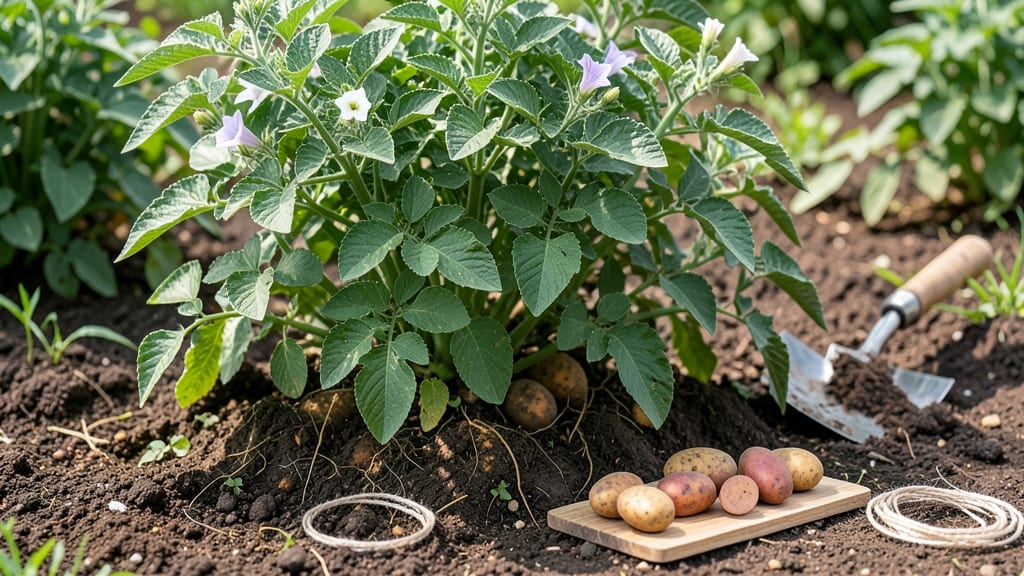
Timing when do you plant potatoes in Arkansas isn’t just about the calendar—it’s about beating frost and unlocking the best harvest possible. Plant too early, and a late freeze could ruin your crop; too late, and you’ll miss the sweet spot for peak yields.
The key? Understanding your county’s frost-free window and soil conditions, especially in zones 7a-8a where temperatures can swing dramatically.
Most Arkansas gardeners know the general rule—February to April is prime time—but the real secret lies in local microclimates.
Whether you’re in the cooler Ozark Mountains or the warmer Delta region, adjusting your planting schedule by just a few weeks can mean the difference between a thriving crop and a disappointing one.
I’ll break down exactly when to plant based on your specific area, so you can avoid common mistakes and maximize your harvest.
Beyond dates, soil prep and variety selection matter just as much. Arkansas’ humid climate and heavy clay in some areas demand special attention—like proper hilling and disease-resistant varieties—to keep your potatoes healthy from sprout to harvest.
Let’s dive into the strategies that work best for your garden, whether you’re a beginner or a seasoned grower.
Ready to grow bigger, healthier potatoes this season? You’ll learn the exact planting windows for your county, plus pro tips to outsmart Arkansas’ biggest gardening challenges. Let’s get started!
Arkansas county-specific potato planting deadlines by frost risk zones
Arkansas spans three distinct frost zones, each with its own planting window for potatoes. The Arkansas Cooperative Extension Service recommends planting 4-6 weeks before your last frost date, but soil temperatures matter just as much—potatoes thrive in 50-60°F soil.
Let’s break down the best times for North, Central, and South Arkansas, where last frost dates can vary by 2-3 weeks.
In North Arkansas (USDA Zone 7a), like Benton or Washington counties, your last frost date typically falls around April 1-15. This means you should plant early varieties (e.g., 'Yukon Gold') in February or late varieties (e.g., 'Russet Burbank') in early March.
If you miss this window, wait until soil warms—aim for 50°F+—usually by mid-March.
For Central Arkansas (Zone 7b), including Pulaski or Faulkner counties, the last frost date shifts to March 15-April 1. Here, you can plant early potatoes in late February or late varieties through early April.
The Delta region (Zone 8a), like Crittenden or St. Francis counties, has a later frost date (April 15-May 1), giving you flexibility to plant through early April.
| Region | Last Frost Date | Ideal Planting Window | Soil Temp Requirement | Best Varieties |
|---|---|---|---|---|
| North Arkansas | April 1-15 | Feb (early) – Early Mar (late) | 50-60°F | Yukon Gold, Red LaSoda |
| Central Arkansas | March 15-April 1 | Late Feb – Early Apr | 50-60°F | Kennebec, Fingerling |
| South Arkansas (Delta) | April 15-May 1 | Late Feb – Early Apr | 55-65°F | Russet Burbank, Sweet Potato |
Pro tip: Use black plastic mulch in colder zones to warm soil faster. In North Arkansas, this can shave off 1-2 weeks from your planting timeline.
For Central and South Arkansas, where humidity is higher, prioritize well-draining soil to prevent rot—especially for late varieties that stay in the ground longer.
If you’re in a microclimate (e.g., a low-lying area or urban garden), check your local weather station for frost alerts. For example, Little Rock’s urban heat island might delay frost by 5-7 days compared to rural areas.
Always plant seed potatoes (not grocery store potatoes!) in 4-inch-deep trenches, spacing them 12 inches apart.
For extended harvests, try a succession planting strategy: Plant early varieties in February and late varieties in April. This ensures potatoes ripen over 2-3 months, reducing waste. Just remember: Never plant potatoes after June—they need 90-120 days to mature, and Arkansas’s summer heat can stress them.
One common mistake? Planting too deep. 4 inches is ideal—any deeper, and sprouts struggle to break through. Use a soil thermometer to confirm temperatures before planting. If soil is below 50°F, wait or use row covers to protect young plants.
Harvest timing varies by variety: Early potatoes (e.g., 'Red Norland') are ready in 60-70 days, while late varieties take 100-120 days. In Arkansas, this means May-July for early potatoes and July-August for late varieties. Watch for yellowing foliage—a sign it’s time to dig!
🌱
How to adjust potato planting for Arkansas’ microclimates and soil types
Arkansas’ diverse geography means one planting schedule won’t work everywhere. The Delta region’s clay-heavy soils hold moisture differently than the Ozarks’ sandy loam, while urban gardens face heat-island effects. Adjust your timing based on your local microclimate—not just the county average.
For heavy clay soils (common in the Delta), plant second-early varieties like ‘Yukon Gold’ in late February to early March. These soils stay damp longer, delaying planting by 1-2 weeks compared to well-draining areas.
In sandy loam (Ozarks), opt for early varieties like ‘Red LaSoda’ in January to February—they sprout faster in drier conditions.
Urban gardeners with concrete heat absorption should plant late varieties like ‘Kennebec’ in March to early April. The extra warmth speeds growth but risks early blight if humidity spikes. Always test soil temperature—50-60°F is ideal for sprouting.
Clay soils: Plant 1-2 weeks later to avoid waterlogging. Use raised beds if possible. Sandy soils: Plant earlier and mulch heavily to retain moisture. Urban areas: Avoid black plastic mulch—it traps heat and attracts pests.
If your soil is rocky or shallow (common in the Ouachitas), use raised beds filled with a mix of compost and topsoil. This gives roots 6+ inches of depth and warms faster in spring.
For organic gardeners, amend soil with well-rotted manure 4-6 weeks before planting to boost fertility without burning roots.
For extended harvests, try a staggered planting strategy: Plant early varieties in February and late varieties in April. This spreads out your harvest from May to August, avoiding glut and waste. Just ensure each batch gets full sun exposure—potatoes won’t tolerate shade.
Always monitor local weather forecasts—Arkansas’ spring can swing from freezing nights to 90°F heatwaves in weeks. If frost threatens after planting, cover seedlings with frost cloth or straw. For container growing, use large pots (at least 12 inches deep) and plant 2-3 weeks later than in-ground varieties.
Pro tip: Mark your planting dates on a garden calendar and adjust yearly based on your actual harvest success. Arkansas’ climate shifts—what worked in 2023 might need tweaking in 2025. 🌱