
Plants
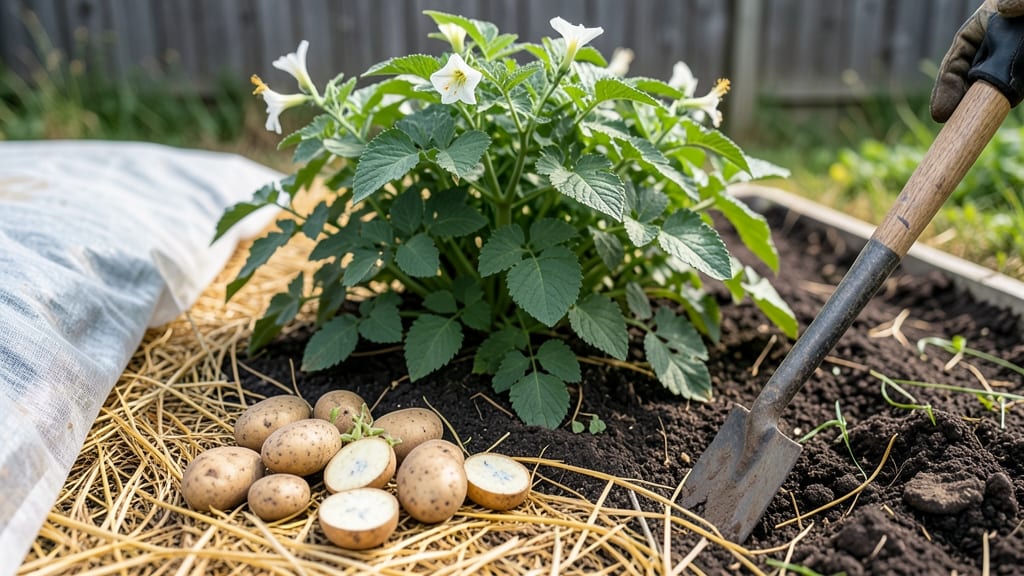
If you’ve ever dug up a bitter-tasting 🥔 potato in Illinois, you know when do you plant potatoes in Illinois—timing is everything. Planting too early can trigger bolting, while waiting too long risks stunted growth.
The perfect window for Illinois gardeners in USDA Zone 5b is a delicate balance between soil warmth and frost-free dates, and getting it wrong means sacrificing your harvest.
Most Illinois gardeners aim to plant potatoes as soon as the soil reaches 45°F and stays consistently above freezing, typically between late March and early April.
But the exact timing depends on your variety—early potatoes like Yukon Golds can handle cooler soils, while late varieties need warmer conditions to avoid bolting.
What makes Illinois planting tricky is the unpredictable spring weather—one week of warmth can fool you into planting too soon, only to be followed by a frost.
I’ll show you how to read your soil’s cues, adjust for your specific region, and even salvage a late planting if Mother Nature throws you a curveball.
By the end, you’ll know exactly when to stick those seed potatoes in the ground for zero-bolt success, whether you’re in Chicago’s urban gardens or rural farmland. Let’s get those spuds growing right!
Optimal Illinois potato planting dates by variety type (early vs late)
Timing your potato planting in Illinois depends on two critical factors: soil temperature and frost-free dates. Most of the state falls under USDA Zone 5b, where last spring frosts typically occur between April 15-30, while first fall frosts arrive October 15-30.
Planting too early risks cold soil and stunted growth, while waiting too long can trigger bolting—when potatoes flower prematurely and taste bitter.
For early varieties like Red LaSoda or Yukon Gold, aim to plant 2-4 weeks before your last frost date. These varieties mature in 60-75 days, so they can escape summer heat while still producing a harvest before fall sets in.
In northern Illinois, this often means late April to early May, while southern Illinois gardeners can start as early as mid-April.
Mid-season varieties, such as Kennebec or Russet, need a slightly later start—plant them 2-3 weeks after early varieties or when soil reaches 45°F (7°C). These potatoes take 75-90 days to mature, so they benefit from a longer growing season. In Zone 5b, this translates to mid-to-late May for most regions.
Late varieties like Purple Viking or fingerlings can even handle late May plantings, as they thrive in cooler conditions and store well. However, they require 90+ days to mature, so avoid planting after June 15 to ensure harvest before frost.
🌱 Illinois Potato Planting Timeline by Variety
| Variety Type | Planting Window | Soil Temp Threshold | Days to Maturity | Best for Illinois |
|---|---|---|---|---|
| Early (Red LaSoda, Yukon Gold) | Late April–Early May | 40°F (4°C) | 60–75 days | Spring harvest, fresh eating |
| Mid-Season (Kennebec, Russet) | Mid-to-Late May | 45°F (7°C) | 75–90 days | Storage potatoes, baking |
| Late (Purple Viking, Fingerlings) | Late May–Early June | 50°F (10°C) | 90+ days | Fall harvest, storage |
💡 Pro Tip: Use a soil thermometer to confirm temperatures—cold soil delays sprouting and increases bolting risk.
To calculate your exact planting window, subtract your variety’s days to maturity from your average first frost date. For example, if your frost date is October 15 and you’re growing Yukon Gold (75 days), plant by July 22.
However, late plantings often yield smaller tubers, so aim for May-June for best results.
Illinois’ variable spring weather adds complexity. If late frosts threaten, use row covers or plant in raised beds, which warm faster. Conversely, if summer arrives early, opt for shade cloth to prevent greening (toxic solanine buildup) in exposed tubers.
For fall plantings, some gardeners experiment with September sowings of cold-hardy varieties like German Butterball. These potatoes mature before winter but require well-draining soil to avoid rot. Test this method on a small scale first—success depends on your microclimate.
Local resources like the University of Illinois Extension offer frost date maps and soil temperature data. Bookmark their Illinois Master Gardener guides for region-specific adjustments, especially if you live near Chicago’s cooler lakeshore areas or southern Illinois’ longer growing season.
Remember: Potatoes need consistent moisture after sprouting. Plant when you’re ready to commit to weekly watering—drought stress during tuber formation reduces yields. Mulch with straw to retain moisture and regulate soil temperature.
🌱
How to time potato planting for zero-bolt success in Zone 5b
Illinois’ unpredictable spring makes potato planting a gamble if you don’t prepare. The key to zero-bolt success lies in three strategies: warming the soil, chitting your seed potatoes, and reading weather forecasts like a pro.
I’ve learned the hard way that planting too early—even with warm days—can trigger bolting when nights stay chilly.
First, warm your soil before planting. Cover garden beds with black plastic for 2-3 weeks before your target date to raise temperatures. Aim for 50°F soil at planting depth—use a soil thermometer to avoid guesswork.
In colder northern Illinois, this might mean waiting until mid-April, while southern regions can plant as early as late March.
Next, chit your seed potatoes 4-6 weeks before planting. Place whole potatoes in a cool, bright spot (60°F) with the cut side up. Sprouts will emerge, giving you a 2-week head start.
Chitted potatoes establish faster, reducing bolting risk from cool soil. Pro tip: Use Yukon Golds for cooler soils—they tolerate temperatures down to 45°F.
⚠️ Bolting Warning Signs
Don’t ignore these red flags:
- Flowers appear → Harvest immediately or expect bitter tubers
- Leaves yellow → Soil may be too cold or waterlogged
- Stunted growth → Plant too late or poor soil conditions
🌱 Action: Mulch heavily with straw to insulate roots and prevent temperature swings.
For weather-proofing, check the 10-day forecast before planting. If nights dip below 40°F, delay planting. Use row covers or cold frames for extra protection if you must plant early. I’ve had success with fingerling potatoes in raised beds—they warm up faster than in-ground soil.
Finally, plant in stages if spring drags on. Start with 25% of your seed potatoes at your earliest safe date, then add more every 2 weeks.
This succession planting spreads your harvest window and reduces bolting risk. Just remember: late plantings (after May 1) won’t mature fully in Illinois’ short season.
With these tricks, you’ll beat Illinois’ unreliable spring and grow potatoes that stay bolt-free and delicious. The secret? Patience and preparation—never rush Mother Nature! 🌱