
Plants
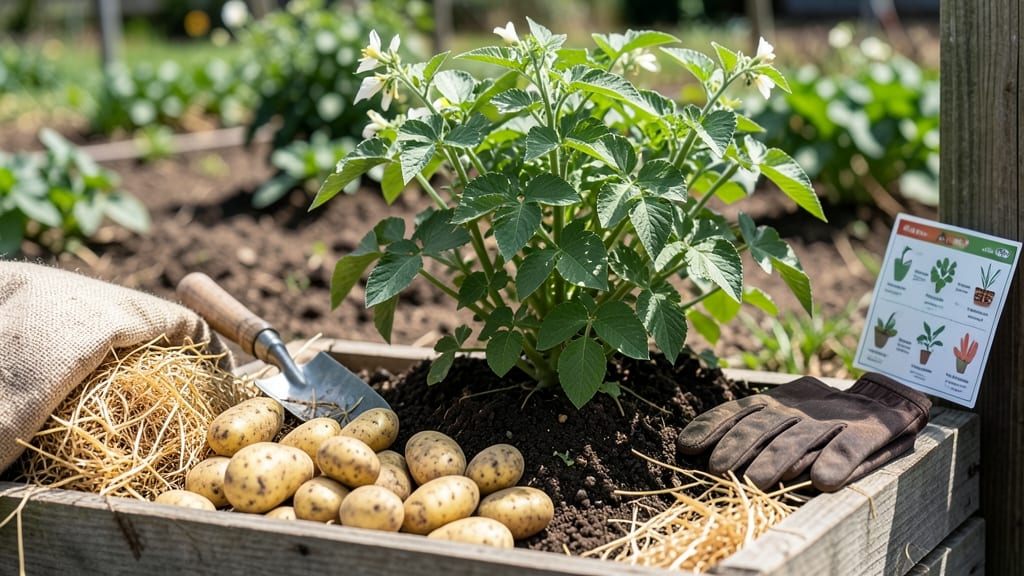
Planting potatoes in Oklahoma at the wrong time can turn your garden dreams into a bitter disappointment—or worse, a crop lost to blight or stunted growth.
With Oklahoma's unpredictable frost patterns and shifting weather, knowing the exact window for planting your 🥔 is the difference between a bumper harvest and wasted effort.
Most gardeners in Oklahoma's 6b-8a zones reach for their seed potatoes between mid-March and early April, but timing isn't one-size-fits-all. Whether you're growing early varieties for a June harvest or planning a fall crop, understanding your local frost dates and soil temperatures is critical to avoiding bolting or disease.
In this guide, I'll break down the optimal planting schedule for Oklahoma's climate, including how to adjust for false springs and late frosts.
You'll learn which varieties thrive in your region, how to prep your soil for maximum yield, and when to expect your first harvest—so you can enjoy homegrown spuds without the guesswork.
Ready to grow potatoes that actually produce? Let's dive into the frost-date secrets that Oklahoma gardeners swear by for zero-bolt success.
Oklahoma potato planting dates by last frost Zone: avoid bolting and blight
Oklahoma’s USDA zones 6b-8a create a unique challenge for potato growers. The state’s variable frost dates and hot summers demand precise timing to avoid bolting (premature flowering) or early blight. Planting too early risks frost damage, while planting too late can lead to stunted tubers.
My goal is to help you pinpoint the ideal 4-6 week window before your last frost date for zero-bolt success.
First, determine your exact last frost date—Oklahoma City averages March 15, while southern regions like Lawton may see frost as late as April 1. Northern areas like Tulsa often hit March 22.
Check the Oklahoma Mesonet or USDA Plant Hardiness Zone Map for your specific location. This date is your anchor for calculating planting windows.
Soil temperature is just as critical as air temperature. Potatoes thrive when soil reaches 45°F (7°C). Use a soil thermometer to confirm readiness—cold soil delays sprouting and invites rot. In Oklahoma’s clay-heavy soils, warming takes longer, so plan accordingly. If your soil is still below 45°F, wait or use black plastic mulch to accelerate warming.
For spring planting, aim to plant 4-6 weeks before your last frost date. This gives tubers time to establish before summer heat arrives. Early varieties like Yukon Gold can go in as early as mid-February in southern Oklahoma, while northern regions should wait until late March.
Fall planting is less common but possible—plant early September for a harvest before the first frost.
| Zone/Region | Last Frost Date | Ideal Planting Window | Early Varieties | Late Varieties |
|---|---|---|---|---|
| Northern OK (Tulsa, OKC North) | March 22 | March 8–15 | Yukon Gold, Red Norland | Kennebec, Russet Burbank |
| Central OK (OKC, Stillwater) | March 15 | February 28–March 5 | Purple Viking, Fingerling | Adirondack Red, Russian Banana |
| Southern OK (Lawton, Altus) | April 1 | February 15–28 | New Potato, Swedish Cream | Monalisa, Desiree |
| Fall Planting (All Regions) | November 15 | Early September | Yukon Gold, Red Pontiac | Kennebec, Russet |
Oklahoma’s unpredictable spring weather often brings false springs—warm spells followed by late frosts. If temperatures drop below 28°F (-2°C) after planting, young potatoes can suffer frost damage. To mitigate this, use row covers or plant in raised beds, which warm up faster.
For extra protection, choose early-maturing varieties like Swedish Cream, which can reach harvest in just 60 days.
Another Oklahoma-specific challenge is soil compaction, common in clay soils. Loosen soil to 12 inches deep before planting to encourage tuber development. Mix in compost or aged manure to improve drainage and fertility.
Avoid fresh manure, which can burn roots and attract pests. My go-to mix is 60% native soil, 30% compost, and 10% perlite for optimal structure.
For container growing, Oklahoma gardeners can extend planting windows. Use 5-gallon buckets or larger pots with drainage holes. Plant seed potatoes 4 inches deep in a lightweight potting mix (avoid garden soil, which compacts).
Containers warm up faster in spring, allowing earlier planting. Just ensure pots get full sun (6-8 hours daily) and water consistently—containers dry out 3x faster than in-ground beds.
Pro tip: Mark your planting date on a calendar and count back 90 days to estimate harvest time. Oklahoma’s summer heat can accelerate growth, so adjust for early harvests if needed.
For example, planting on March 15 in Tulsa should yield tubers by June 15**, but watch for early blight signs (brown spots on leaves) and act fast if spotted.
Finally, remember that Oklahoma’s humidity increases disease risk. Space plants 12 inches apart in rows 3 feet apart for airflow. Rotate crops annually to prevent soil-borne diseases like verticillium wilt.
If you’re new to potatoes, start with 10-15 seed potatoes to test your timing—you’ll learn faster than with a full garden.
How to adjust planting time for Oklahoma’s unpredictable weather: pro tips for success
Oklahoma’s weather can be as unpredictable as a toddler’s mood—one day it’s 70°F and sunny, the next it’s a freezing 32°F snap. This volatility makes timing your potato planting a high-stakes game.
If you plant too early and hit a late frost, your spuds will rot. Too late, and you risk bolting (premature flowering) or early blight. The key is flexibility, not rigid rules.
I’ve learned the hard way that even the most reliable frost dates can be fooled by Oklahoma’s false springs. In 2022, I planted my Yukon Golds in early March, only for a 28°F dip two weeks later.
The lesson? Always have a backup plan. Here’s how I adjust my planting schedule to match Oklahoma’s mood swings.
First, I monitor soil temperatures more than frost dates. Potatoes need soil that’s consistently 45°F or warmer to sprout reliably. Use a soil thermometer—if it’s below 45°F for more than a week, wait. Cold soil slows germination, and soggy, half-sprouted potatoes are a gardener’s nightmare.
For fall planting, I aim for early September in southern Oklahoma (USDA Zone 8a) and late August in the panhandle (Zone 7b). The goal is to harvest before the first frost, which can hit as early as mid-October in northern regions.
Use black plastic mulch to warm the soil and speed up growth—it’s a game-changer for fall crops.
Pro tip: If you’re unsure about your last frost date, check the Oklahoma State University Extension’s frost calculator. It accounts for microclimates (like hills or valleys) that can shift frost dates by 1-2 weeks.
And always keep a thermometer in your garden—knowledge is your best defense against Oklahoma’s weather whiplash.